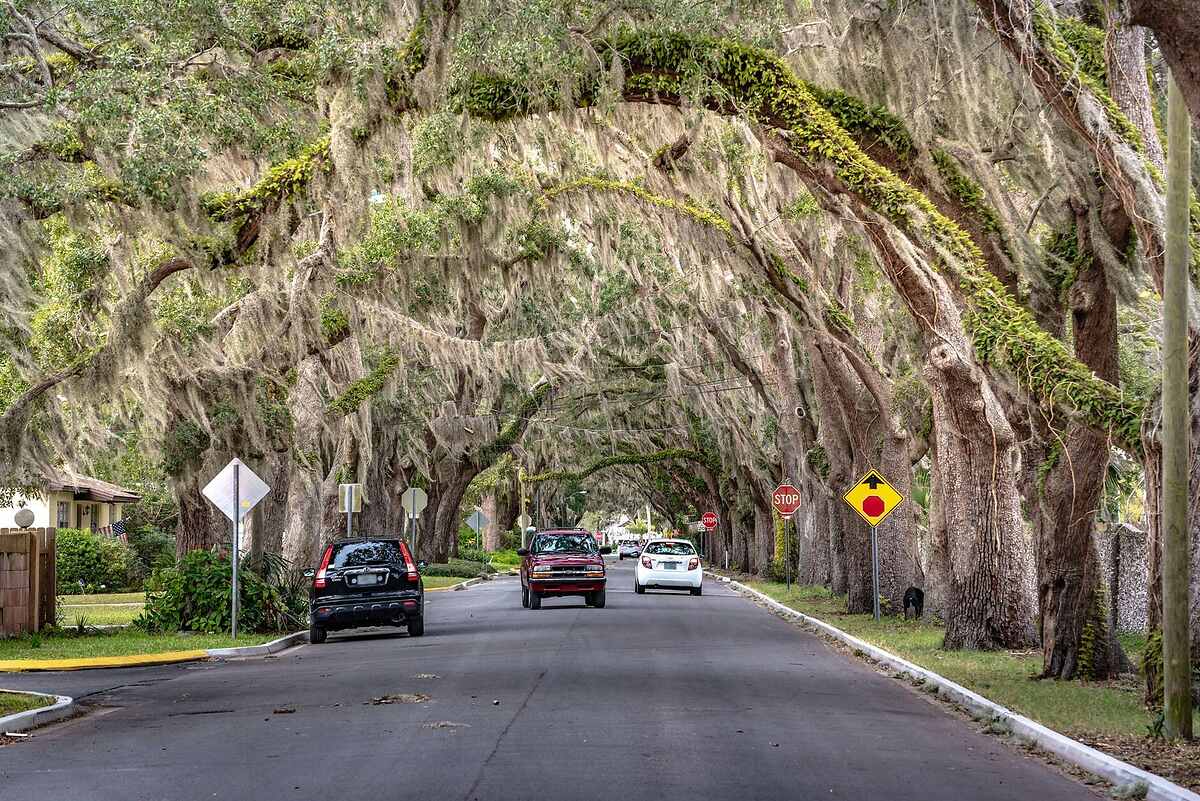
Rodent Removal in Jacksonville, FL
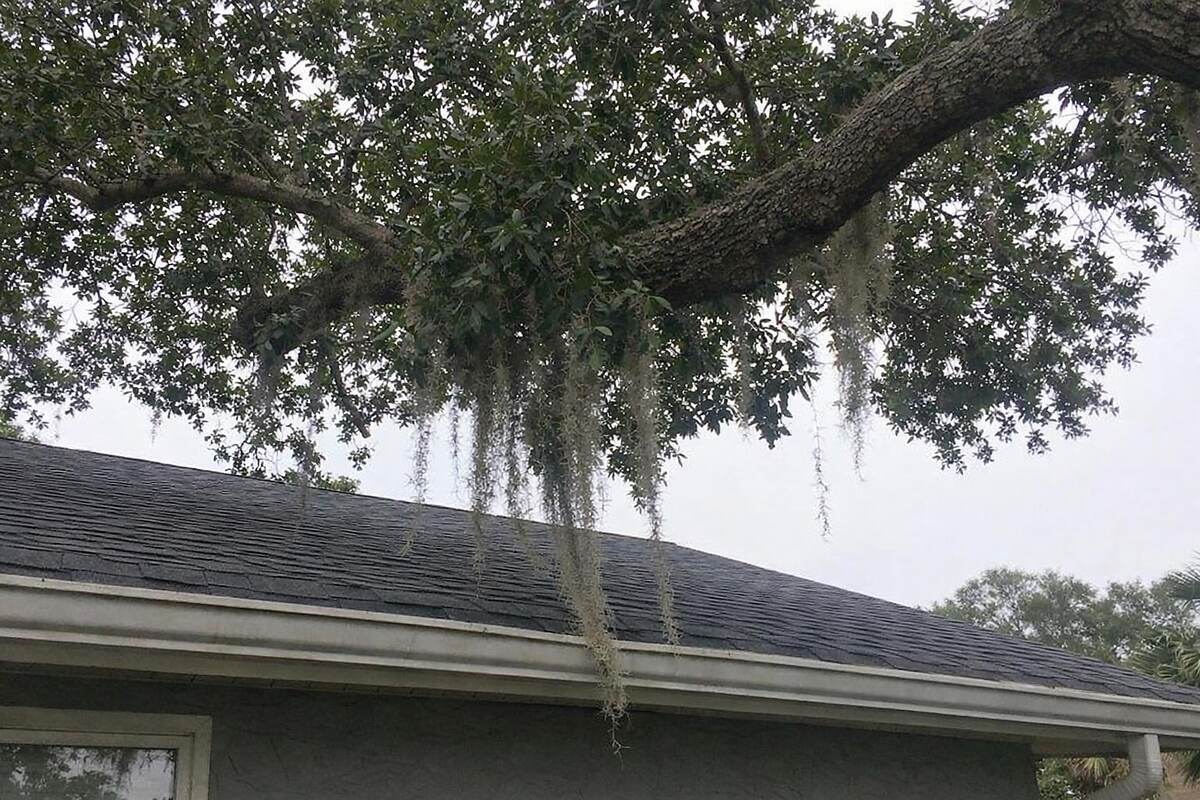
Roof rats come down the oak limbs into the attic, Norway rats come up from the riverbank into the crawl space, and the scratching starts once the house goes quiet. Certified contractors trap them, seal the way in, and put the attic right.
- Free inspection, itemized quote
- Phone answered 24 hours a day
- FDACS-certified contractors
Start with the free inspection
Every job begins with a walk of the roofline, the attic and the crawl space, written up before any price is named. The phone is answered at any hour; the form reaches the same dispatcher.
What we arrange across Jacksonville
Ten services in the order a job runs: the animals out, the building closed at the roofline and the crawl space, then the attic repaired.

Roof Rat Removal
Trapping the attic rat that answers most Jacksonville calls, sequenced with sealing.
Roof Rat Removal →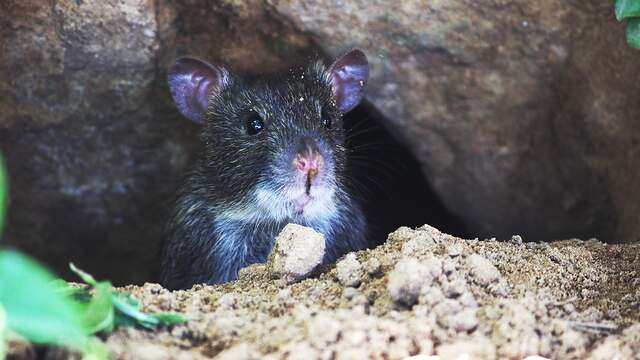
Norway Rat Removal
Ground-level burrows along foundations, seawalls and crawl spaces, closed and trapped.
Norway Rat Removal →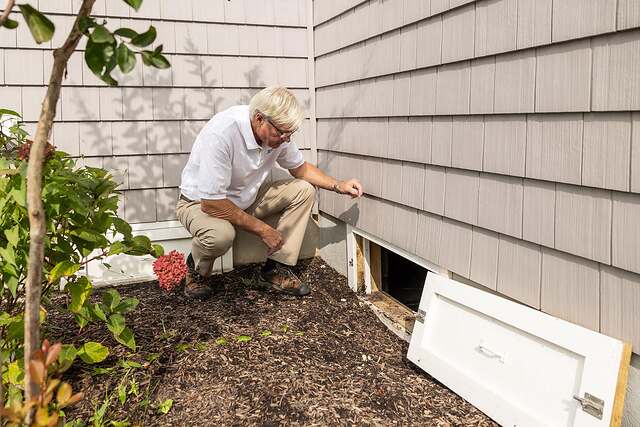
Rodent Exclusion
Roofline and crawl-space sealing to the quarter-inch standard in steel and sheet metal.
Rodent Exclusion →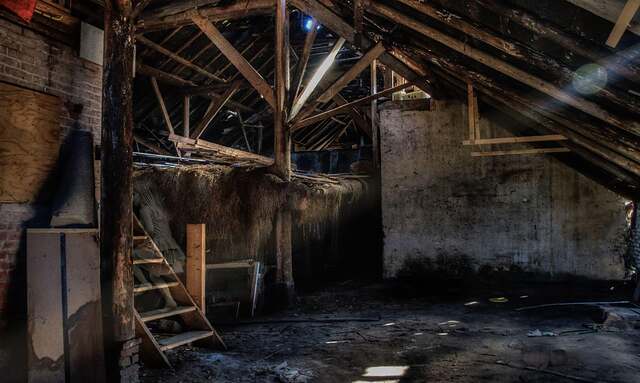
Rodent Inspection
A free walk of the roofline, attic, crawl space and yard that sets the order of the job.
Rodent Inspection →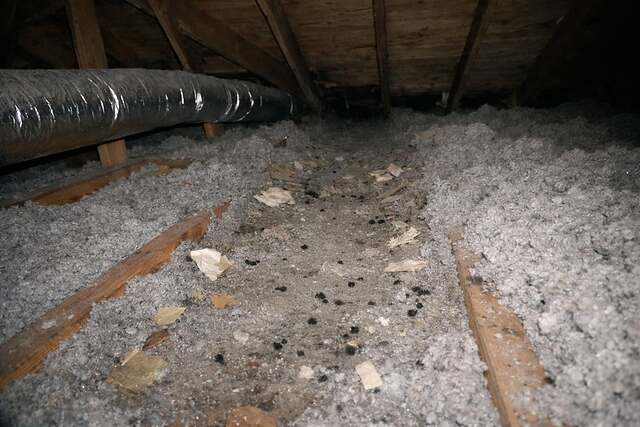
Attic Cleanup and Decontamination
Droppings, nests and soiled insulation removed, then the attic sanitized.
Attic Cleanup and Decontamination →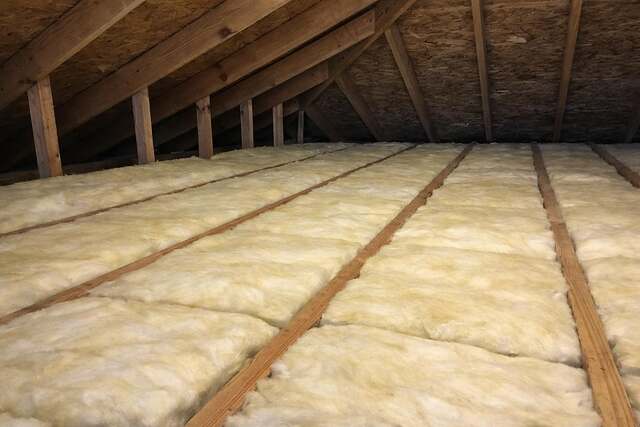
Attic Insulation Replacement
Compressed or wet insulation taken out and fresh material blown in.
Attic Insulation Replacement →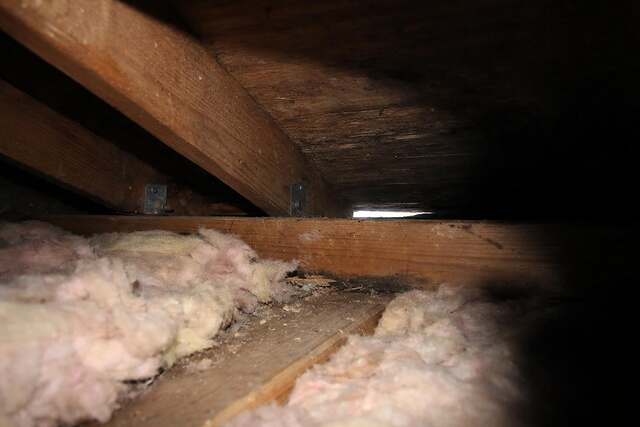
Dead Rodent Removal
Finding the carcass behind the smell, removing it, and closing the wall.
Dead Rodent Removal →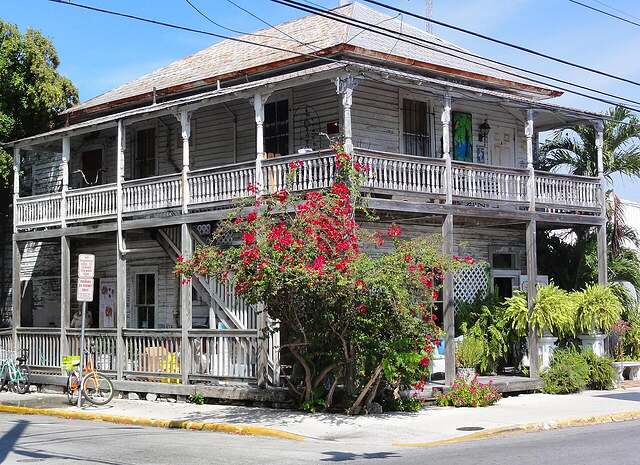
Rodent Clearance Letters
A dated inspection report for closings, leases, HOA files and insurance.
Rodent Clearance Letters →
Commercial Rodent Control
Kitchens, warehouses, multifamily and riverfront commercial buildings, with records.
Commercial Rodent Control →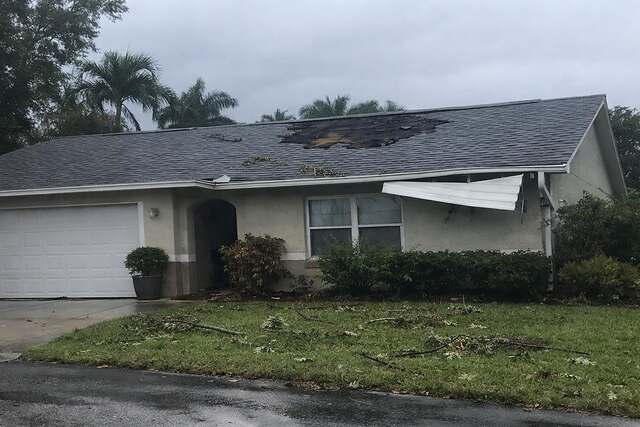
Post-Storm Rodent Inspection
A roofline, crawl-space and harborage check after river flooding or a hurricane.
Post-Storm Rodent Inspection →What is making the noise
Five animals and one aftermath account for nearly every call from Duval County, and where and when you hear it narrows the list before anyone drives out.
-
Roof rats
The attic rat of Northeast Florida, also called the palm rat or citrus rat. UF/IFAS describes it as arboreal, moving along branches, wires and palm trunks to enter at the roof, and puts its range at roughly 150 yards from the den. Noise after dark over a ceiling, and hollowed fruit under a citrus tree, are its signature.
-
Norway rats
The heavier ground rat, and a real second species in Jacksonville where South Florida barely sees it. It burrows along foundations, seawalls, riverbanks and dumpster pads and pushes into crawl spaces and garages at floor level. Riverfront lots, the port districts and the older downtown blocks produce most of the calls.
-
House mice
A distant third here. Activity inside kitchen cabinets, behind appliances and in wall voids with much smaller droppings points to mice; the roof rat leaves droppings a quarter to half an inch long with pointed ends, per UF/IFAS. Nothing about Jacksonville makes mice more likely than anywhere else in Florida.
-
Squirrels
Footfalls in daylight, loudest at first light and late afternoon, are usually a squirrel at a gable vent rather than a rat. The openings overlap, so the same sealing closes both, but the trapping and the wildlife rules differ and the inspection sorts it out.
-
Something dead in a wall
A heavy, sweet smell that builds over days and then fades over weeks is a carcass, most often after a poison-only plan. The EPA puts death four days to two weeks after a rodent starts feeding on an anticoagulant bait, and the animal dies where it was living.
-
River flooding and storms
Hurricane Irma in 2017 put the St. Johns River into Riverside, San Marco and downtown at record levels. Flooded burrows push rats into attics, garages and crawl spaces, and torn soffits and debris piles open new routes. No reliable count exists for the effect; the pattern repeats after every high-water event.
Why a Jacksonville rodent job has two ways in
Jacksonville houses let rodents in from above and from below, and most Florida rodent advice only covers the first. The slab-on-grade block and frame houses of Southside, Mandarin, Arlington and the Beaches are entered at the roofline: soffit returns, gable and off-ridge vents, roof-to-wall junctions, the sleeve where the AC line set passes into the wall, and a garage door seal worn through at the corner. Live oaks and palms deliver the roof rat to those openings, and the older the canopy the shorter the trip.
The historic districts change the job. Riverside, Avondale, Ortega and Springfield were built from the 1900s to the 1930s on brick piers with a crawl space under the floor, and the 1950s ranches on the Westside and in Arlington are often the same. Crawl-space vent screens rust, skirting rots, and the gap along the sill where the floor framing meets the foundation runs the whole way round the house. That perimeter is where the Norway rat, a burrowing ground species that South Florida hardly sees, works its way in from the riverbank, the seawall or the alley. Exclusion here means the roofline and the crawl space, and the inspection is written to cover both.
Season matters more here than farther south. Jacksonville gets mild winters with occasional freezes, and operators across the city report the same indoor peak from the first cold snap in October through February as nights cool and the animals move in. High water is the other trigger: Hurricane Irma in September 2017 put the St. Johns River into Riverside, San Marco and downtown at record levels, and a flooded burrow empties into the nearest dry structure.
Why Jacksonville homeowners route the call through us
Three things separate a job that ends from one that runs all winter.
-
Two species, two kinds of sealing
Roof rats reach a Jacksonville attic along oak limbs and palm trunks and come in at the soffit returns, gable vents and roof-to-wall junctions. Norway rats work from the ground, burrowing along foundations, seawalls and riverbanks and pushing into crawl spaces. A contractor who only knows the roofline misses half the city. Every job we route reads the sign first, then seals the roofline, the crawl-space vents and the sill gaps that the species in the house is using.
Rat-proofing standard is a quarter-inch opening, UF/IFAS
-
Price bands in print before the truck arrives
Not one rodent operator ranking in Jacksonville publishes a job price. The bands on every service page come from HomeGuide's 2026 national guides, with Angi's Tampa figures as the nearest Florida metro that reports any. The free inspection turns a band into a quote with trapping, sealing and cleanup on separate lines, which is the one thing homeowners comparing notes online say they could never get.
Full-home exclusion $500 to $2,500 nationally, HomeGuide 2026
-
An FDACS certificate you can check yourself
Chapter 482 of the Florida Statutes requires at minimum the Limited Commercial Wildlife Management certification to trap rats or mice in a structure for pay, and a pest control business license with a certified operator for any rodenticide. A handyman with a caulk gun holds neither. The contractor we send carries the credential the job needs, and the FDACS license search confirms it in a minute.
FDACS Pest Control Licensing and Certification, Florida
Book the free inspection tonight
The line is answered at any hour. Say what you hear, where in the house, and how long it has gone on, and the nearest certified contractor is lined up for a free roofline, attic and crawl-space inspection with a written quote.
Four figures that shape a Jacksonville rodent job
Published numbers, because an opening size and a breeding cycle are what decide whether trapping on its own can finish.
- 1/4 in The opening size rat-proofing has to close UF/IFAS Extension
- 21 to 23 days Gestation for a roof rat, with 5 to 8 pups a litter UF/IFAS Extension
- 4 days to 2 weeks How long an anticoagulant bait takes to kill, wherever the animal is U.S. EPA
- $500 to $2,500 Full-home exclusion, national typical range HomeGuide 2026
A common call from a crawl-space house near the river
The situation: A 1920s frame house west of downtown, raised on brick piers, with a live oak over the back roof. Scratching over the hall ceiling every night since the first cool week of November, droppings on the floor of the utility room, and a homeowner who has not slept properly for two weeks and has been told by a relative to stop worrying.
What gets done: The inspection walks the roofline from a ladder and finds a soffit return pulled open where the limb rubs, then crawls the perimeter and finds two vent screens rusted through and a burrow mouth against the front pier. Droppings up top are roof rat; sign below is Norway rat. The vents are screened in steel that day, traps go into the attic runs and along the crawl-space sill, and the soffit return is closed once the attic goes quiet.
How it turns out: Three visits over about a month, one quote with roofline sealing, crawl-space sealing and trapping on separate lines, and a note to have the limb cut back from the roof. The ceiling noise stops in the first week; the crawl space is quiet by the third visit.
Why mice keep coming back
A look at the openings that make it repeat.
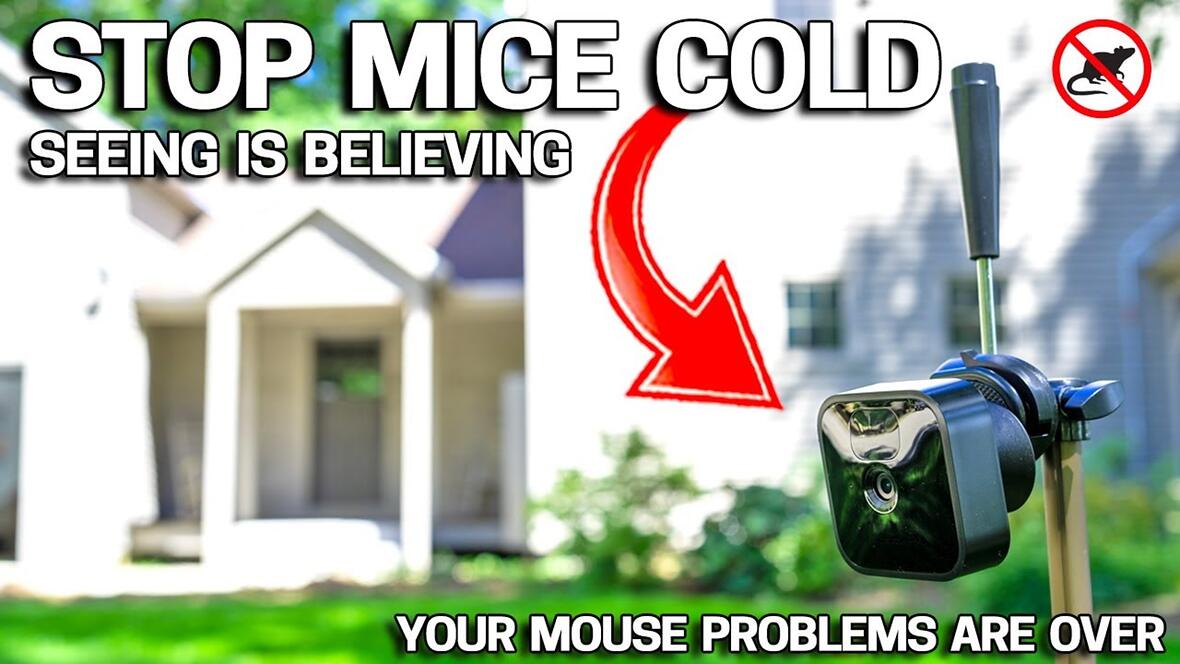
Video: EASY WAY to Get Rid of Mice in Your House FOREVER, from Silver Cymbal.
How a rodent job runs in Jacksonville
The same five steps on every call, with sealing in the middle, because closing a house full of rats and trapping a house with an open crawl space both fail.
-
Call and describe it
Where the noise is, what time, how long, and what you have found. That narrows the species before anyone drives out.
-
Free inspection
Roofline, attic, crawl space, garage and yard walked with a ladder and a light, every opening recorded, a written quote with separate lines.
-
Seal the unused openings
Steel mesh, sheet metal and screened vents close everything except the runs still in use, so nothing is shut inside.
-
Trap what is still inside
Snap traps on the active runs, left at least a week because roof rats are wary of new objects, checked and reset on a schedule.
-
Close the last runs and restore
When the sign stops, the openings that were held open get sealed, and any attic clearing or fresh insulation is quoted from what the photographs show.
Which service fits the call
A typical job draws on two or three of these, one after another. Each one carries a published band so a budget exists before anyone visits.
-
Roof rat removal
Trapping in the attic runs, sequenced with roofline sealing. HomeGuide's 2026 band for trapping and removal is $250 to $1,200 nationally. Roof rat removal.
-
Norway rat removal
Burrows along the foundation, seawall and crawl space closed and trapped at ground level, the Jacksonville job South Florida sites never describe. Norway rat removal.
-
Rodent exclusion
Soffit returns, vents, sill gaps and crawl-space vents closed to the quarter-inch standard. Full-home exclusion runs $500 to $2,500 nationally per HomeGuide. Rodent exclusion.
-
Rodent inspection
Free here; HomeGuide puts a standalone inspection at $0 to $175 with a Florida average near $162. Rodent inspection.
-
Attic cleanup
Droppings, soiled insulation and nests removed and the attic sanitized. HomeGuide's 2026 national band is $600 to $2,500. Attic cleanup.
-
Insulation replacement
Priced by area: HomeGuide puts removal with replacement between $2.50 and $5.50 a square foot. The Department of Energy notes that flattened and damp material stops delivering its rated R-value. Insulation replacement.
-
Dead rodent removal
Working the smell back to its source in a wall, an attic or a duct run, taking the animal out and closing the access. The national band from HomeGuide is $150 to $500. Dead rodent removal.
-
Clearance letters and post-storm checks
A dated inspection report for a closing or a lease, and a roofline and crawl-space check after river flooding or a hurricane, each priced as the inspection plus any sealing found. Clearance letters, post-storm inspection, commercial properties.
Where contractors are dispatched
Jacksonville and Duval County, the Beaches, and the towns in St. Johns, Clay and Nassau counties, each with its own page because the houses and the ground change what the job looks like.
Questions Jacksonville homeowners ask first
Straight answers to what comes up on nearly every call.
What it is and how long it runs
How long does it usually take to get rid of rats?
Longer than a single visit and shorter than a whole season, provided the sealing gets done. HomeGuide's figure for trapping a few animals is two to three days, and for a heavy infestation one to two months. The people describing four months with no result online are almost always describing traps with an open eave or an open crawl space behind them.
Is it roof rats or Norway rats?
Where you hear it answers most of it. Noise over a ceiling after dark with droppings a quarter to half an inch long and pointed at the ends, per UF/IFAS, is the roof rat. Activity at floor level, in a crawl space or garage, with burrow openings along the foundation or the seawall, is the Norway rat, which Jacksonville has more of than any city farther south. Some houses near the river have both.
What keeps rats away permanently?
A closed building. Repellents, ultrasonic plugs and bait stations do nothing about the opening, and a roof rat travels about 150 yards from its den, so a neighbor's citrus tree or a stretch of riverbank keeps the pressure on for as long as the gap exists. Steel hardware cloth at the soffit returns and vents, screened crawl-space vents and closed sill gaps are what hold.
What it costs and who attends
What is the cheapest way to get rid of rats?
Sealing plus snap traps, done once. HomeGuide's 2026 national bands put trapping and removal at $250 to $1,200 and full-home exclusion at $500 to $2,500, and the free inspection tells you where in those bands your house sits. A poison-only plan looks cheaper on the day and usually produces a dead animal in a wall and a return visit.
Should I just put poison out?
The story about poison driving rats outside to find water has no basis. Anticoagulants make up most rodenticides, and the EPA puts the interval between the first feed and death at four days to two weeks, which the animal spends in the nest it already has. That nest is in your attic. UF/IFAS makes the point from the other side: trapping lowers the chance of a poisoned animal dying indoors, and that is the reason routed jobs trap and seal instead.
Who turns up, and are they licensed?
An independent Jacksonville-area contractor holding the FDACS credential the job requires. Trapping rats or mice in a structure for pay needs at minimum the Limited Commercial Wildlife Management certification; rodenticide work needs a pest control business license with a certified operator. Ask for the number and check it on the FDACS license search before work starts.
Still have a question? Call (904) 659-6044 and ask.
Hearing it tonight?
Call now and a dispatcher lines up the nearest certified contractor for a free inspection. Or leave a name and number and someone calls you back.