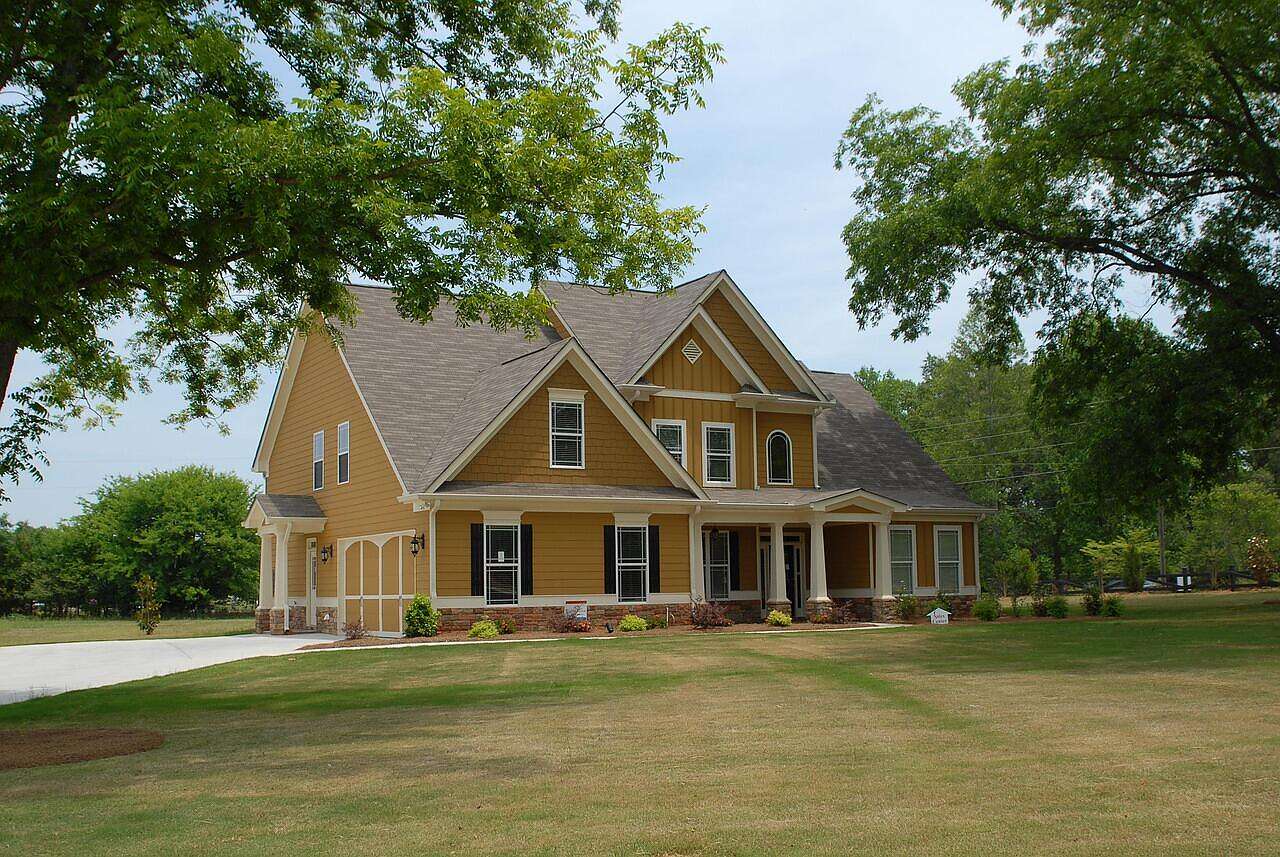
Rodent Removal in Callahan, FL
Callahan is a small rural town in pine flatwoods, where the feed in the barn and the woodpile against the shed usually matter more to a rodent problem than anything about the house itself.
- Outbuildings and feed included
- Flatwoods edge read
- Free inspection, written up
Free Inspection in Callahan
The free inspection on a Callahan property covers the whole site rather than the house alone. The contractor walks the roofline from a ladder and reads the attic with a light, enters the crawl space where the house has one, then works the barns, sheds and carports, the feed storage, the woodpile and the woodline, because on a rural lot the structure holding the feed is usually the reservoir and the house is where the overflow goes.
Callahan is in Nassau County, north and west of Jacksonville at the junction of the Highway 1 and Highway 301 corridors, and the Jacksonville contractor network covers it on the same dispatch. Calls are taken at any hour, and the walk itself is free. Say what structures are on the land, what is stored in them and whether the noise in the house is above or below, and a dispatcher books from there. Hours are on the contact page.
Book the free Callahan inspection
Name, number and what you are hearing. A dispatcher calls back to set a time with the contractor who covers Nassau County.
Feed, outbuildings and the real source
The single most useful fact about a rural rodent problem is that it almost always has an address, and the address is usually a building with food in it. Feed, seed, pet food and fertilizer in paper or woven sacks on a barn or shed floor is a supply that will support a population indefinitely, and the house is what that population expands into once the nights cool.
So the work starts there. Sacks go into metal or hard plastic bins with lids. The gaps at the base of sliding and service doors get closed in sheet metal or fitted with a steel kick plate. Gnawed corners get plated rather than patched in timber. And the ground along the outside walls gets cleared, because cover against a wall is what lets an animal work the base of a door unobserved.
Each structure gets its own line on the quote so anything can be deferred deliberately, and a contractor who lists the free items rather than pricing them has told you where the savings are. The materials used at each opening are on the exclusion page.
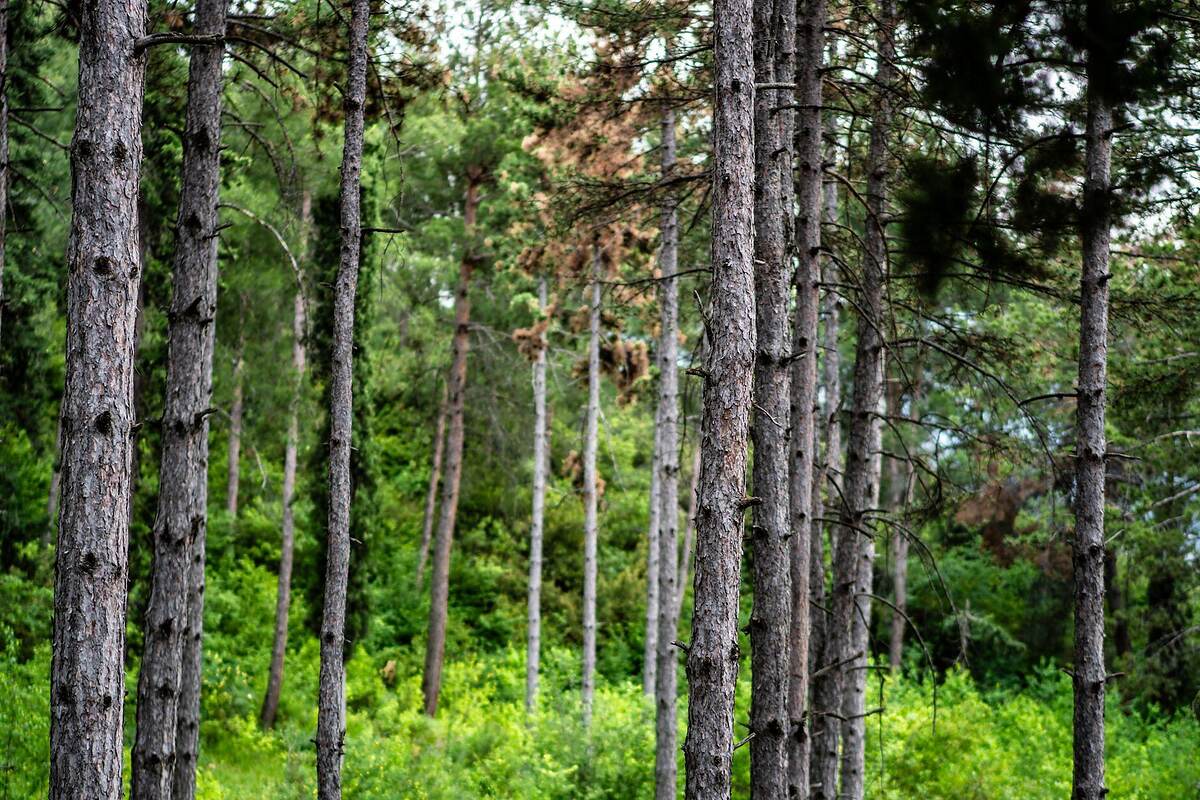
Pine flatwoods and woodpiles
Callahan sits in pine flatwoods, with palmetto understory, agricultural land and low wet ground around it. That is habitat: continuous cover, burrowing ground, and an outdoor rodent population that exists whether or not anybody has a barn. Cotton rats live in flatwoods like these, and as an outdoor field species they are not the animal that ends up in an attic; the Norway rat is the one that comes in from a bank or a fence line, and the roof rat is the one that arrives over the trees.
Woodpiles are the feature that connects the habitat to the buildings. Split wood stacked against a barn or a house wall is shelter, cover and a staging point a few feet from the structure, and moving it away from walls and raising it off the ground is among the highest-value free work available on a rural property. The same goes for equipment, pallets and stored materials along a wall line.
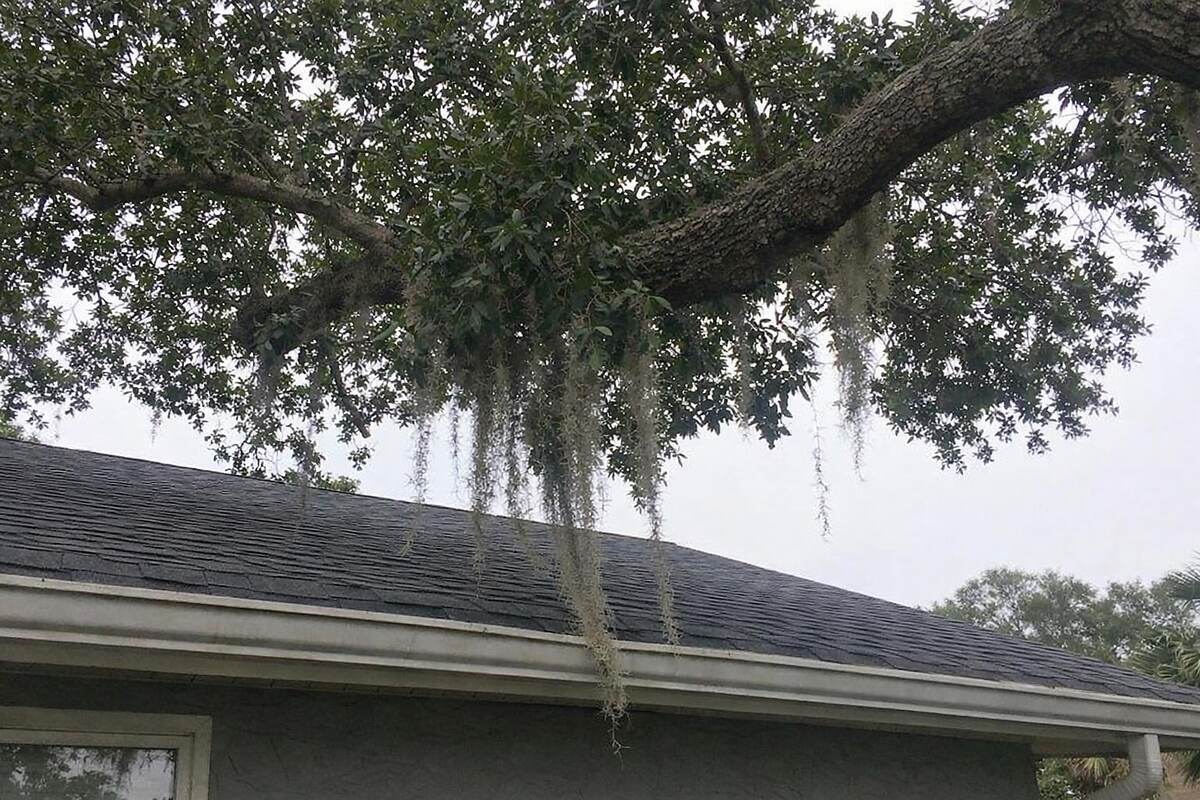
On the roofline side, heavy pine and oak cover means routes over a lot of roofs here. UF/IFAS describes the roof rat as arboreal, traveling along branches, wires and palm trunks within roughly 150 yards of its den, and on a wooded lot that means more than one direction at a time.
What We Handle in Callahan
The work here treats the house and the outbuildings as one site, because on a rural lot that is what they are.
- Rodent inspection: the free walk of the house, the barns and sheds, the feed storage and the woodline
- Rodent exclusion: house openings plus barn and shed door bases, gnawed corners and penetrations, closed in steel
- Norway rat removal: burrow work and ground-level trapping under outbuildings and along fence lines
- Roof rat removal: attic trapping on the marked runs once the roofline is closed
- Attic cleanup: droppings, nests and soiled insulation out of a house attic or a workshop ceiling
- Dead rodent removal: locating a carcass behind a smell in a wall, a floor void or an outbuilding
- Commercial rodent control: feed stores, workshops and small commercial premises, with documented visits
A Typical Callahan Job
The situation: A 1970s frame house on several acres off the Highway 1 corridor, piers with a vented crawl space, a metal barn with horse feed in woven sacks, a carport and a long woodpile against the barn's north wall. Droppings in the barn that nobody had thought about, then scratching overhead in the back of the house through a cool week and a chewed bag of dog food in the utility room.
What gets done: The barn carries the population: open sacks, droppings along two walls, a gap under the sliding door and a gnawed corner at the service door, with runs under the woodpile against the outside wall. The house attic shows roof rat droppings along one run from a rear eave where a soffit board has pulled at the fascia, and the crawl space shows one burrow mouth at a pier. Feed moves into metal bins with lids, the woodpile is moved off the barn wall and raised, the door base is closed in sheet metal and the service door gets a steel kick plate, the soffit board is closed in quarter-inch cloth, the burrow is collapsed, and traps go in the barn, along the crawl-space sill and on the attic run.
How it turns out: Three visits over about a month, with the barn work, the house closures and the trapping on three lines and the barn carrying the larger share. The overhead noise stops inside the first week. The feed stays in bins afterward, which is the single change most likely to keep the barn empty.
What This Costs in Callahan
On a rural property the figure follows the number of structures rather than the size of the house. The published bands below are the reference points, and the free inspection turns them into a quote with a line per building.
| Work | Typical band | Source |
|---|---|---|
| Full-home exclusion | $500 to $2,500 | HomeGuide 2026, national |
| Trapping and removal | $250 to $1,200 | HomeGuide 2026, national |
| Removal visit, Tampa | Average $1,078, typical $441 to $1,716 | Angi, nearest Florida metro with published figures |
| Attic cleanup and decontamination | $600 to $2,500 | HomeGuide 2026, national |
| Dead rodent removal | $150 to $500 | HomeGuide 2026, national |
A crawl-space house adds perimeter footage, and every outbuilding that needs closures adds its own figure. The counterweight is how much of a rural fix is free: feed in lidded bins, woodpiles moved off walls and raised, equipment and pallets pulled back from wall lines, and ground cover cut away from foundations. Those four things shift the outcome more than any single closure on the list.
Materials that keep rodents out
A comparison of what actually holds at a gap.
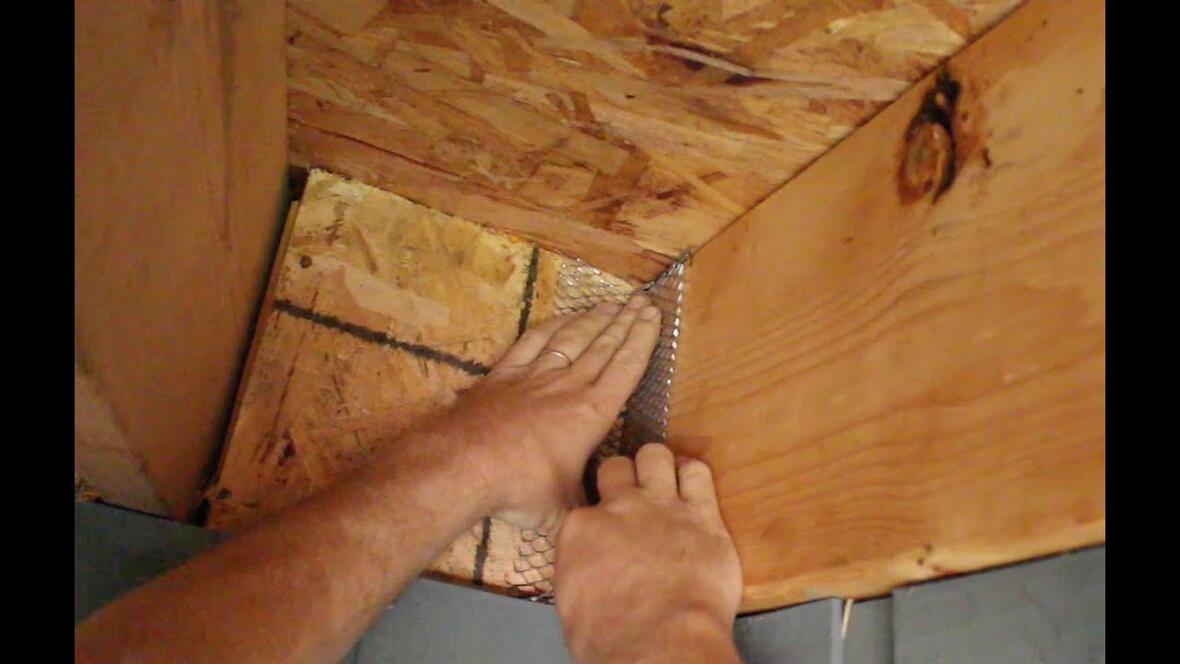
Video: How to keep mice out. Cheaper than hardware cloth, from Ontario Lakeside.
Common Questions in Callahan
What callers on rural Nassau properties ask.
Barns and feed
Is it realistic to keep rodents out of a barn at all?
Keeping a barn empty of them is not realistic; keeping it from supporting a population is. The difference is food and cover. Feed in sealed bins rather than sacks removes the supply, closing the door bases and the gnawed corners in steel removes the easy access, and clearing the ground and the woodpile along the outside walls removes the cover they need to work unobserved. A barn managed that way holds occasional transient activity instead of a resident population, and the house stops getting the overflow each autumn.
There are droppings in the shed but the house is fine. Should I wait?
Acting while it is still outside the house is the cheap version of this job. UF/IFAS puts roof rat gestation at 21 to 23 days with litters of five to eight and four or five litters a year, and maturity at three to four months, so an outbuilding population expands and then looks for more space, particularly as nights cool from October through February. Dealing with it now is closures on one structure and a short trapping run. Waiting turns it into an attic job, a crawl-space job and a cleanup.
Method on a rural lot
Everyone out here uses bait. What is wrong with it?
Two things, and neither is about ideology. The EPA describes most rodenticides as anticoagulants that kill four days to two weeks after an animal begins feeding, and it dies wherever it is nesting, which may be in a barn ceiling, under a floor or in a wall void in the house, so bait tends to produce the dead-animal call next. UF/IFAS notes that trapping reduces that risk. The second issue on a working property is everything else that might eat a poisoned rodent. Sealing, bins and traps gets the same result without either problem.
Who comes out this far, and what should they hold?
An independent contractor covering Nassau County who holds the FDACS credential the work requires. Under Chapter 482 of the Florida Statutes, trapping rats or mice in, on or under a structure for compensation requires at minimum the Limited Commercial Wildlife Management certification, and applying rodenticide requires a pest control business license with a certified operator in the General Household Pest category. Ask for the number and look it up on the FDACS license search before work starts. The phone here is answered at any hour, which matters when the nearest company is not around the corner.
Still have a question? Call (904) 659-6044 and ask.
Nearby Areas We Serve
The contractors dispatched to Callahan cover the neighboring Nassau County communities as well, and the whole Northeast Florida region is inside the service area.
Book a Free Inspection in Callahan
Say what buildings are on the land and what is stored in them. The walk covers the house, the outbuildings and the woodline at no charge.