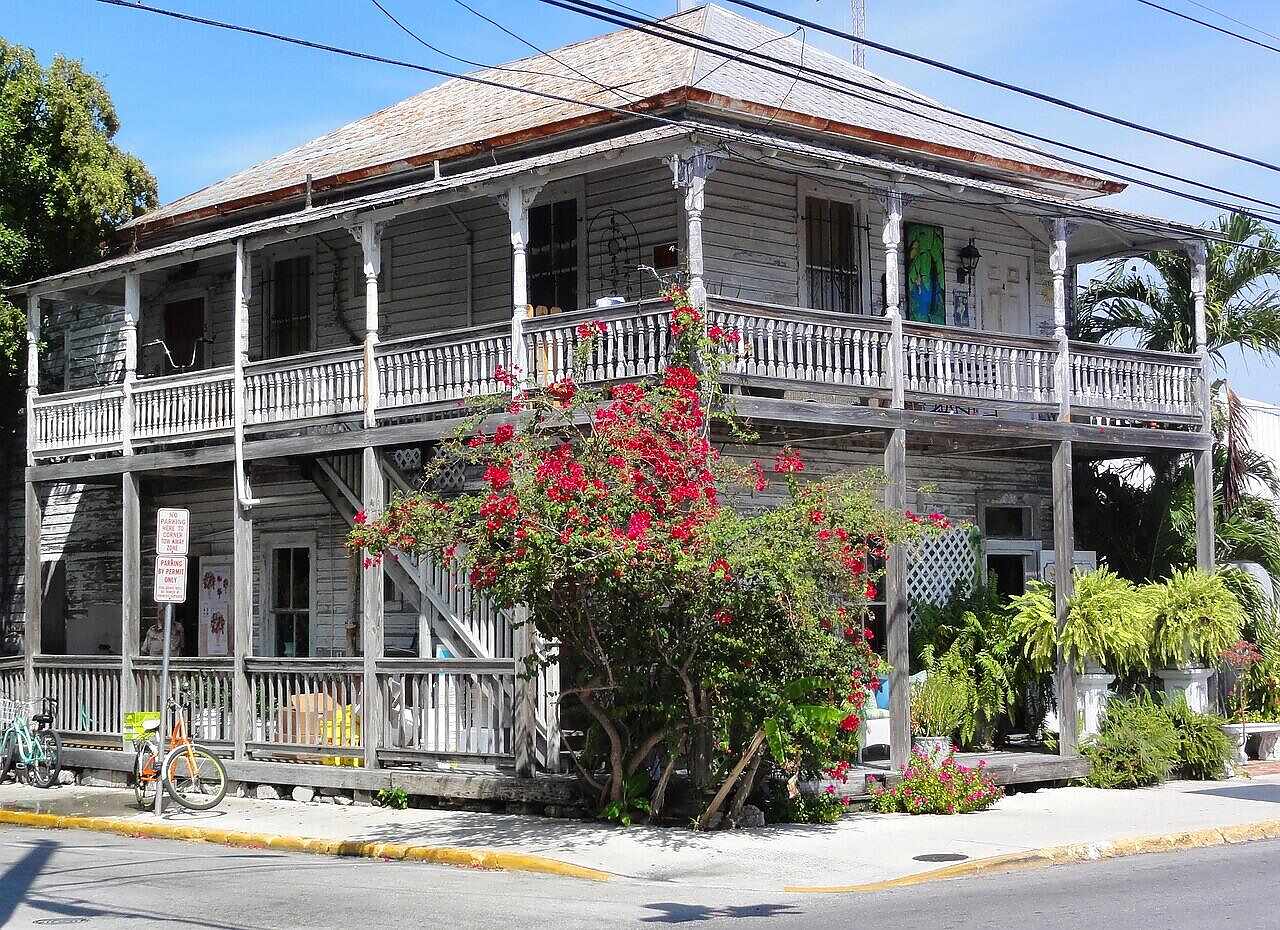
Rodent Clearance Letters in Jacksonville
A clearance letter is a dated report from a certified contractor stating what was inspected, what was found, what was sealed and what remains. Closings, leases, HOA files and insurance claims all ask for one, and nobody in this market advertises it.
- Dated and signed
- License number on the document
- Written for a file
What a Jacksonville rodent clearance letter contains
The document is a factual record rather than a guarantee, and the distinction is what makes it useful to the person reading it. It states the address and the date, names the areas inspected, describes the evidence found or notes its absence, lists the openings closed and the material used on each, and carries the contractor's name and FDACS license number.
What it does not do is promise that no rodent will ever enter the building again, and any letter written that way should be treated with suspicion by whoever is relying on it. A credible report describes conditions on a date and the work carried out, which is exactly what a closing file, a lease dispute or an adjuster needs.
- Address, date of the inspection and the name and FDACS number of the contractor who carried it out
- The areas covered: attic, crawl space where the house has one, garage, roofline, foundation perimeter, and any outbuilding included
- Findings area by area, with evidence described (droppings, rub marks, gnawing, burrow openings, flattened insulation) or recorded as absent
- Every opening closed, with the closure material named, and every opening left open with the reason
- Any cleanup or insulation work carried out, and any condition referred to another trade such as chewed wiring
- Photographs, which are what turn a paragraph into evidence
The walk that produces it is the same one described on the rodent inspection page. The letter is the written output of that walk plus whatever work followed it.
Book the free inspection
Say what you hear, where in the house, and how long it has been going on. A dispatcher lines up the nearest certified contractor for a free roofline, attic and crawl-space inspection.
Who asks for one in Jacksonville, and why
Four situations produce nearly all of these requests, and each wants a slightly different emphasis in the document. A residential sale is the most common: a buyer's inspector opens the attic hatch, photographs droppings or a run in the insulation, and the repair request that follows needs a professional record to close out. The letter that settles it describes the work done and the date, with photographs of the sealed openings.
A lease is the second. Landlords and property managers want a record on the file before a tenant moves in or when a tenant has reported activity, and tenants sometimes want one to show the condition was there before them. The third is an HOA or condo association file, where a board needs documentation that a unit or a building has been dealt with, particularly in the older riverfront buildings downtown and along the river.
The fourth is insurance. Rodent damage is usually excluded, but a dated report still matters when a claim turns on when damage occurred or on whether a separate covered event, such as storm damage to a roof, opened the route. After Hurricane Irma in September 2017 put the St. Johns River into Riverside, San Marco and downtown at record levels, the question of what happened when became a live one in a lot of files.
What a clearance letter is not
It is not a warranty and it is not a certificate of absence, and being clear about that is part of what makes the document credible. An inspection records what can be seen on a date by someone working with a ladder, a light and access to the spaces that exist. A finished basement, a sealed cathedral ceiling or a crawl space with no entry hatch limits what can be stated, and the letter says where it was limited rather than implying coverage it does not have.
It is also not a pest control clearance in the sense that a wood-destroying organism report is. Florida has a defined form and an established process for termite inspections at sale. There is no equivalent statutory rodent form, which is precisely why the content of the letter matters: it is a contractor's professional record, and its value comes from being specific.
No exclusion warranty is offered with these letters on jobs routed from here, and that is a deliberate position rather than an oversight. What a homeowner can reasonably ask a contractor for is the terms in writing: whether any cover on the sealing work exists, how long it runs, whether it is renewable, and what triggers a return visit. Those are the right questions, and the answers belong in the file next to the letter.
What a clearance letter costs in Jacksonville
The letter itself is the paperwork on the end of an inspection, so the cost is the inspection plus whatever sealing the inspection shows is needed. The inspection is free on jobs routed from here, which is the part that matters in a closing timeline where a buyer wants a number this week.
| Work | Typical band | Source |
|---|---|---|
| Standalone inspection elsewhere in the market | $0 to $175, Florida average about $162 | HomeGuide 2026 |
| Sealing the openings the report lists | $500 to $2,500 for a full home | HomeGuide 2026, national |
| Trapping where the report finds live activity | $250 to $1,200 | HomeGuide 2026, national |
| Attic cleanup where a buyer's inspector has photographed the attic | $600 to $2,500 | HomeGuide 2026, national |
In a sale the negotiation is usually about the cleanup and the sealing rather than the letter, and a measured report is what keeps that negotiation honest in both directions. A buyer asking for a whole-attic strip-out on the basis of droppings in two joist bays has a weaker position once the photographs and the measured area are on the table, and a seller claiming there was never anything up there has a weaker one too.
How fast a letter can be produced for a closing
The inspection can normally be booked into the next few days of visit slots, which run seven days a week here, and the written report follows the visit. No promise about turnaround is made here, because the honest answer depends on the contractor's schedule and on whether sealing work has to happen before the letter can describe a closed building.
Two things shorten the process more than anything a dispatcher can do. The first is access: the letter can only cover spaces someone can get into, so unlocking the crawl-space hatch, clearing the attic opening and moving stored boxes off the hatch saves a second visit. The second is handing over the other side's report, if there is one. A buyer's inspection photograph with a location on it takes the contractor straight to the area in question.
Where a closing date is close and sealing work is needed, the usual sequence is one letter describing the findings and the quoted work, then a second after the work is done. Two dated documents read better in a file than one vague one, and the first can be produced without waiting on the sealing schedule.
The Jacksonville houses where this comes up most
The historic districts produce the most requests, for a structural reason rather than a social one. Riverside, Avondale, Ortega and Springfield were built from the 1900s to the 1930s on brick piers with open crawl spaces, original soffits and utility penetrations that were cut before anyone screened anything, so a buyer's inspector in those districts finds evidence more often than not. A clearance letter in Springfield or Riverside usually has to cover the crawl space as carefully as the attic.
The Beaches produce a second cluster. Most of the stock in Jacksonville Beach, Atlantic Beach and Neptune Beach dates from the 1970s through the 1990s, with a meaningful share from the 1940s to 1960s and a little pre-war, and the older end of that range carries soffit and gable-vent conditions that show up on an inspection. Those houses are mostly concrete block on slab, so the report is a roofline document.
Commercial and multifamily requests come from downtown and the riverfront districts, where older buildings, food service and the port all sit close together, and from association-managed buildings that need a record on file. That work is described on the commercial page, and the reporting is the same discipline with more documentation around it.
What to check before you rely on a letter
A clearance letter is only as good as the inspection behind it and the credential on the bottom of it. Four checks cover most of the risk.
- The FDACS license number, verified on the FDACS license search rather than taken from the letterhead. The state requirement sits in Chapter 482 of the Florida Statutes: at minimum the Limited Commercial Wildlife Management certification for trapping rats or mice in a structure for compensation, and a pest control business license with a certified operator for rodenticide work.
- Whether the crawl space and the attic were both entered, or only viewed from an opening. A letter covering spaces nobody got into is worth less than it looks.
- Whether the openings sealed are listed individually with their materials, or summarized as entry points.
- Whether the letter claims a result it cannot support. A document promising no future rodent activity is overclaiming, and an adjuster or a buyer's attorney will read it that way.
For a seller, one more point is worth knowing: a letter describing work carried out is stronger than a letter describing an absence of evidence, because it is evidence of action rather than of a quiet afternoon. Where sealing was needed, having it done and documented usually settles a negotiation faster than arguing about what the photographs show.
The services that usually run with this one
A Jacksonville rodent job is a sequence of separate lines, and these pages cover the steps on either side of this one.
- Rodent Inspection: A free walk of the roofline, attic, crawl space and yard that sets the order of the job.
- Rodent Exclusion: Roofline and crawl-space sealing to the quarter-inch standard in steel and sheet metal.
- Attic Cleanup and Decontamination: Droppings, nests and soiled insulation removed, then the attic sanitized.
Who attends and which FDACS certificate to look up is set out on the about page. Hours, the downtown address and the full service area are on the contact page.
How a clearance letter gets produced
Five steps from the call to a document that holds up in a file.
-
Say what the letter is for
A closing, a lease, an association file or a claim, because the purpose decides what has to be covered and how much detail goes in.
-
Open the house up
Attic hatch cleared, crawl-space access unlocked and stored items moved, so the inspection covers spaces rather than openings.
-
The free inspection
Roofline, attic, crawl space, garage and perimeter walked with a ladder and a light, with photographs taken as the record.
-
Quote any work the file needs
Sealing, trapping and cleanup are priced on separate lines so a buyer, a landlord or an adjuster can see each item.
-
Issue the dated report
Areas checked, evidence found or absent, openings closed with materials named, photographs attached, FDACS number on the document.
What makes a letter worth having in the file
Three things that decide whether a report settles an argument or starts one.
-
Specific enough to be checked
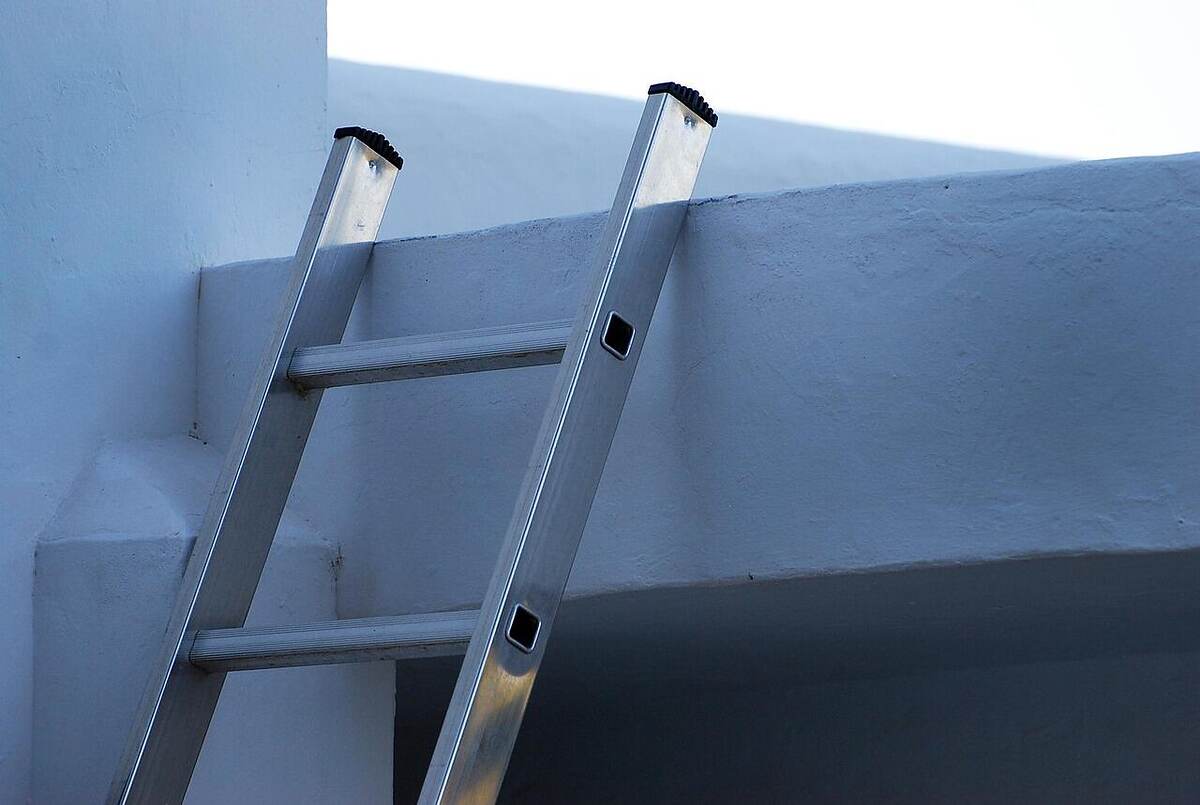
Areas entered, evidence described, openings listed one by one with the closure material named, photographs attached, and anywhere the inspection was limited written down as limited. A report at that level can be read against the building by anyone who climbs the ladder afterward, which is the only property that makes a document useful in a closing or a claim. Summary phrases like entry points sealed are what weaken a file.
Rat-proofing standard is a quarter-inch opening, UF/IFAS Extension
-
A credential anyone can verify
The FDACS license number appears on the document and can be confirmed on the state license search in a minute. Chapter 482 of the Florida Statutes requires at minimum the Limited Commercial Wildlife Management certification to trap rats or mice in a structure for compensation, and a pest control business license with a certified operator for rodenticide work. A sealing job by an uncertified handyman cannot produce a letter that means anything.
Chapter 482, Florida Statutes, administered by FDACS
-
No claim the document cannot carry
The letter records conditions on a date and the work carried out, and stops there. No promise of future absence appears on it and no warranty of our own sits behind it, which is a deliberate position. What a homeowner should do instead is ask the contractor for any cover terms in writing, how long they run and whether they renew, and keep that answer in the file beside the report.
Standalone inspections run $0 to $175 nationally, HomeGuide 2026; here the visit is free
What Reddit Says About Rodent Reports at a Sale
Real estate threads in r/homeowners and r/HomeImprovement carry a recurring version of this problem: an inspection photograph of droppings in the attic, a repair request with a large number attached, and a seller or a buyer trying to work out what the fair scope is. The advice is almost always to get the area measured and photographed by a qualified contractor rather than negotiating from the inspector's sentence, because the inspector's job ends at noting evidence.
People who have been through it warn about two opposite failures. A seller who cleans the attic themselves, leaves no record, and then cannot demonstrate anything at closing. And a buyer who accepts a verbal assurance that someone took care of it, then finds unsealed soffit returns after moving in. Both end the same way, with the dispute running on memory.
The itemized-quote advice from the wider corpus applies directly here. Trapping, sealing and cleanup on separate lines lets a buyer and a seller negotiate item by item instead of over a single bundled figure, and it gives an association or a landlord something to approve in parts. Threads where the quote was one number are the threads that run longest.
Questions worth asking whoever writes the report, drawn from what people tell each other: was the crawl space entered or only looked into, are the sealed openings listed individually, does the document carry a license number, and is there anything in it promising future results. That last one is a red flag rather than a feature.
A typical clearance letter request on a Springfield sale
The situation: A 1913 two-story frame house in Springfield under contract, where the buyer's inspector photographed droppings along two joist bays in the attic, a torn screen on one gable vent and an open section of crawl-space skirting at the rear. The repair request names a whole-attic insulation replacement and a full exclusion, the seller thinks the number is twice what it should be, and the closing is three weeks out.
What gets done: The inspection enters both spaces rather than looking into them, and photographs everything. The attic shows droppings and light compaction across roughly 90 square feet, with the rest of the fill dry and undisturbed. The roofline walk adds a soffit return pulled at the rear fascia to the inspector's gable vent, and the crawl space turns up the open skirting plus three perished vent screens and a burrow mouth at a side pier. The first letter goes out with findings, the measured area and a quote separating sealing, trapping and the 90 square feet of insulation work. Sealing and trapping happen in the following week, and a second dated letter records the closed openings with photographs.
How it turns out: Two documents in the file, the insulation scope settled at the measured area rather than the whole attic, and the sealing landing in the upper half of the published band because the crawl-space perimeter on a house of this age is long. The closing holds its date, and the buyer gets a list of exactly which openings were closed and with what.
Questions about rodent clearance letters
What sellers, buyers, landlords and boards ask about the document.
What the document does
Is a clearance letter the same thing as a termite inspection form?
No, and the difference is worth understanding before you rely on one. Florida has an established form and process for wood-destroying organism inspections at sale; there is no statutory equivalent for rodents. A rodent clearance letter is a contractor's professional record, so its value comes entirely from how specific it is: the areas entered, the evidence found or recorded as absent, the openings closed with their materials named, photographs, and an FDACS license number that can be checked on the state search. A vague letter on good letterhead is worth very little in a file.
Does the letter guarantee there are no rodents?
It states what was found on a date by someone with access to the spaces that exist, which is a different and more defensible thing. Any document promising future absence is overclaiming, and an adjuster or an attorney reads it that way. Where the inspection could not reach something, such as a sealed cathedral ceiling or a crawl space with no hatch, the letter says so rather than implying coverage. If you want something about the future, ask the contractor in writing what cover applies to the sealing work, how long it runs and whether it renews, and file that answer alongside the report.
Timing and scope
Can I get one before a closing date?
The inspection books into visit slots that run seven days a week and the report follows it, and no turnaround is promised here because it depends on the schedule and on whether sealing has to be done first. Two things speed it up from your side: clearing the attic hatch and unlocking the crawl-space access so nothing needs a second visit, and handing over the buyer's inspection photographs so the contractor goes straight to the area in question. Where sealing is needed and the date is tight, the usual approach is one letter with the findings and quote and a second once the work is complete.
The buyer wants the whole attic replaced. Is that reasonable?
Sometimes, and the measurement settles it. A Jacksonville attic after one winter of roof rats typically shows flattened runs across a handful of joist bays with sound material everywhere else, and the Department of Energy's point about compressed insulation not delivering its rated R-value applies to those bays rather than to the whole space. HomeGuide's national band for removal and replacement is $2.50 to $5.50 a square foot, so once the affected area is measured and photographed, both sides are negotiating about a number instead of about a sentence in an inspection report.
Still have a question? Call (904) 659-6044 and ask.
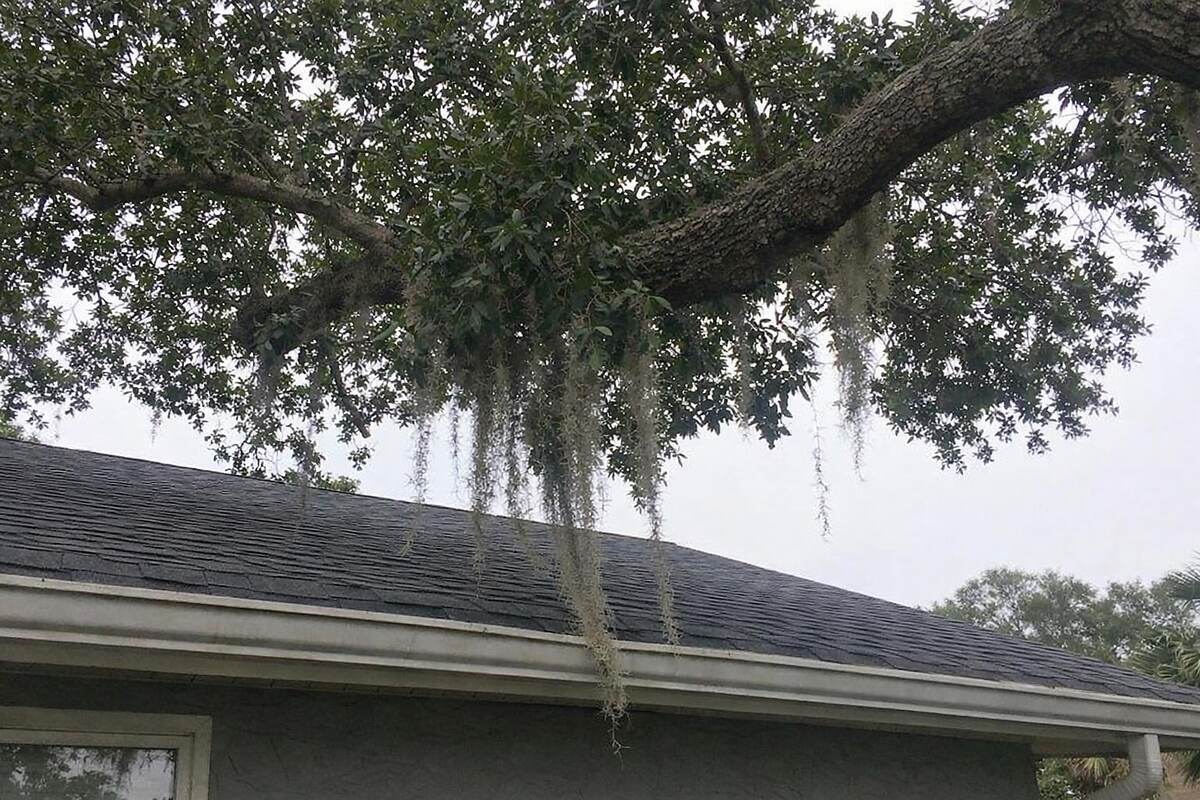
Get the inspection and the report booked
Say what the letter is for and when it is needed. The inspection costs nothing and the report comes out of what it finds.