Rodent Removal in Orange Park, FL
Orange Park runs from the St. Johns River to Doctors Lake, with mid-century ranches, later subdivisions and a lot of shoreline in between, so most jobs here have a ground-level half and a roofline half.
- Lake and river shoreline read
- Mixed foundations checked
- Free inspection, itemized quote
Free Inspection in Orange Park
The free inspection in Orange Park establishes the foundation and the shoreline first, because those two things decide the quote. The contractor walks the roofline from a ladder for the soffit returns, the vents and the roof-to-wall junctions, reads the attic with a light, enters the crawl space where the house has one, and then works the perimeter and the back of the lot for burrow mouths, runs and the openings at grade including the garage seals.
Orange Park sits in Clay County, roughly fifteen miles southwest of downtown Jacksonville along Blanding Boulevard or the river road, and the Jacksonville contractor network covers it on the same dispatch. A dispatcher takes the call at any time of day or night, and the inspection is free. Say whether the noise is above you or below you and whether the lot runs down to water, and a dispatcher books from there. Hours are on the contact page.
Book the free Orange Park inspection
Name, number and what you are hearing. A dispatcher calls back to set a time with the contractor who covers Clay County.
Doctors Lake, the river and the ground species
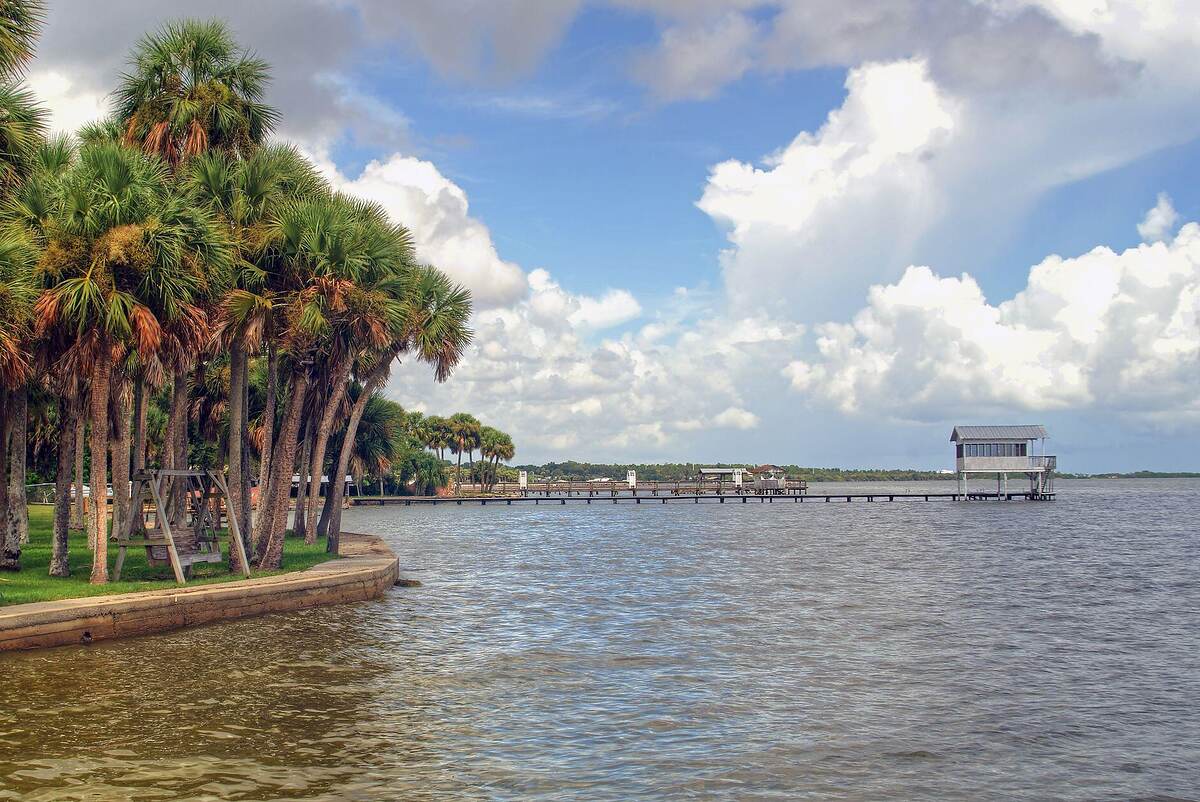
Orange Park has an unusual amount of shoreline for its size: the St. Johns River along its eastern edge and Doctors Lake cutting into it from the south, with creeks and inlets between. Norway rats burrow along banks, bulkheads, seawalls and dock structures and live in the dense cover at a water's edge, so a lakefront or riverfront lot has permanent harborage up against it.
They enter at floor level, and on the mixed housing stock here that means either a crawl-space vent and the sill line, or on a slab house the garage door seal and the service penetrations at grade. The sign is smooth runs in the dirt, burrow mouths at the base of a wall or a bulkhead, droppings along a wall at floor level, and gnawing at the bottom corner of a door. It is a different job from the attic job, and the closures are in different places.
Water level matters as well as water proximity. When a burrow floods, the animals in it relocate to the nearest dry structure, and the CDC links rises in leptospirosis cases to hurricanes and flooding, names rodents among the carriers and recommends rodent control as part of the response afterward. The ground-level work is on the Norway rat page.
Mid-century ranches and later subdivisions
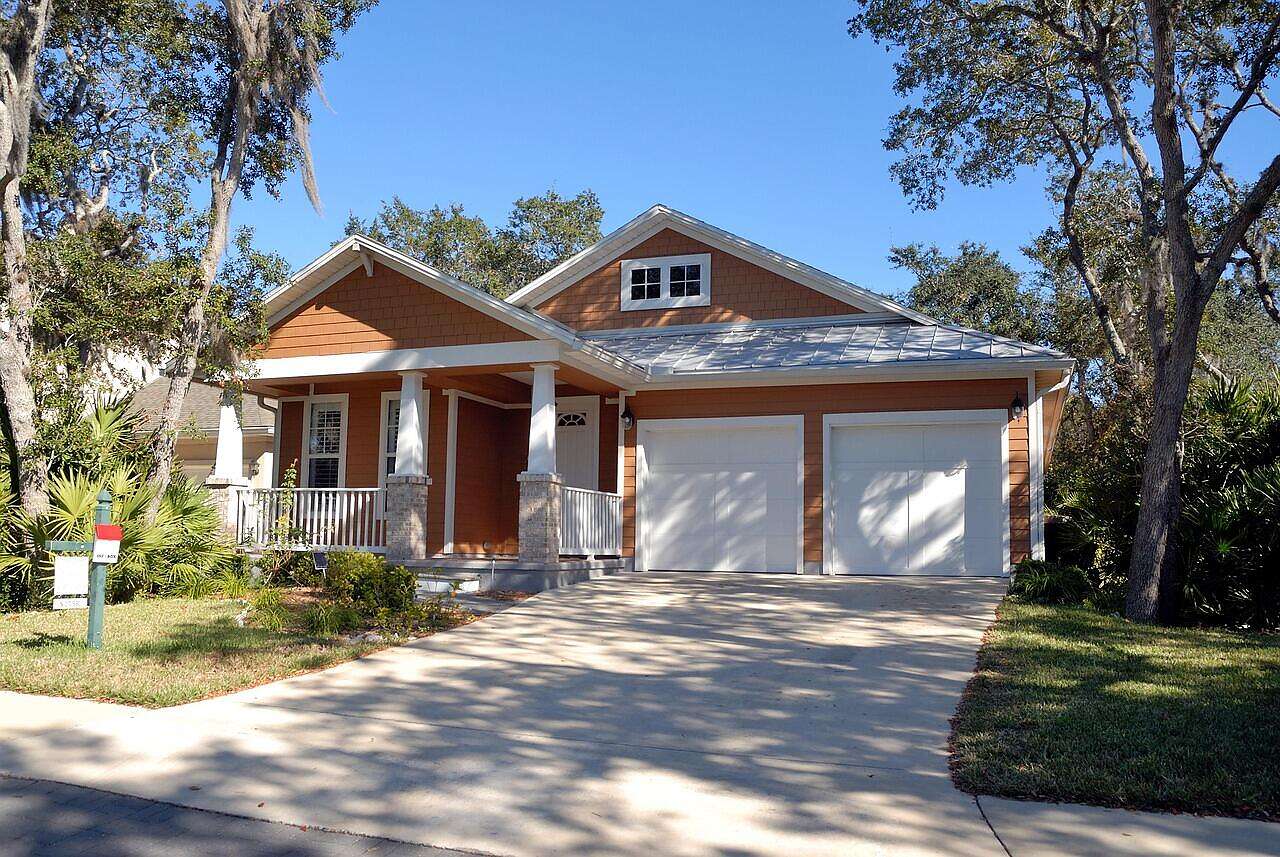
The older core of Orange Park filled in through the 1960s, 1970s and 1980s with single-story ranch houses, some on slab and some on piers with a crawl space, and later subdivisions added slab block and frame houses from the 1990s onward. That mix is the first thing the inspection settles, because the two foundations give entirely different lists of openings and prices.
On a crawl-space house the perimeter is the larger half: vent frames with perished screens, skirting, the sill line where the floor framing meets the foundation, and the plumbing and electrical penetrations underneath, all priced by the foot. On a slab house there is none of that, and the job is the roofline plus the garage: soffit returns at the boxed eave corners, gable and off-ridge vents, the roof-to-wall junctions and the air conditioning line sleeve.
The low-pitch roofs on the mid-century ranches are worth a word, because they make an attic hard to work in. Long eave runs with very little headroom mean the inspection, the trapping and any cleanup all take longer, which is the honest reason a quote on a small attic can look high. The exclusion page covers what goes into each opening.
Oak canopy and the roofline half
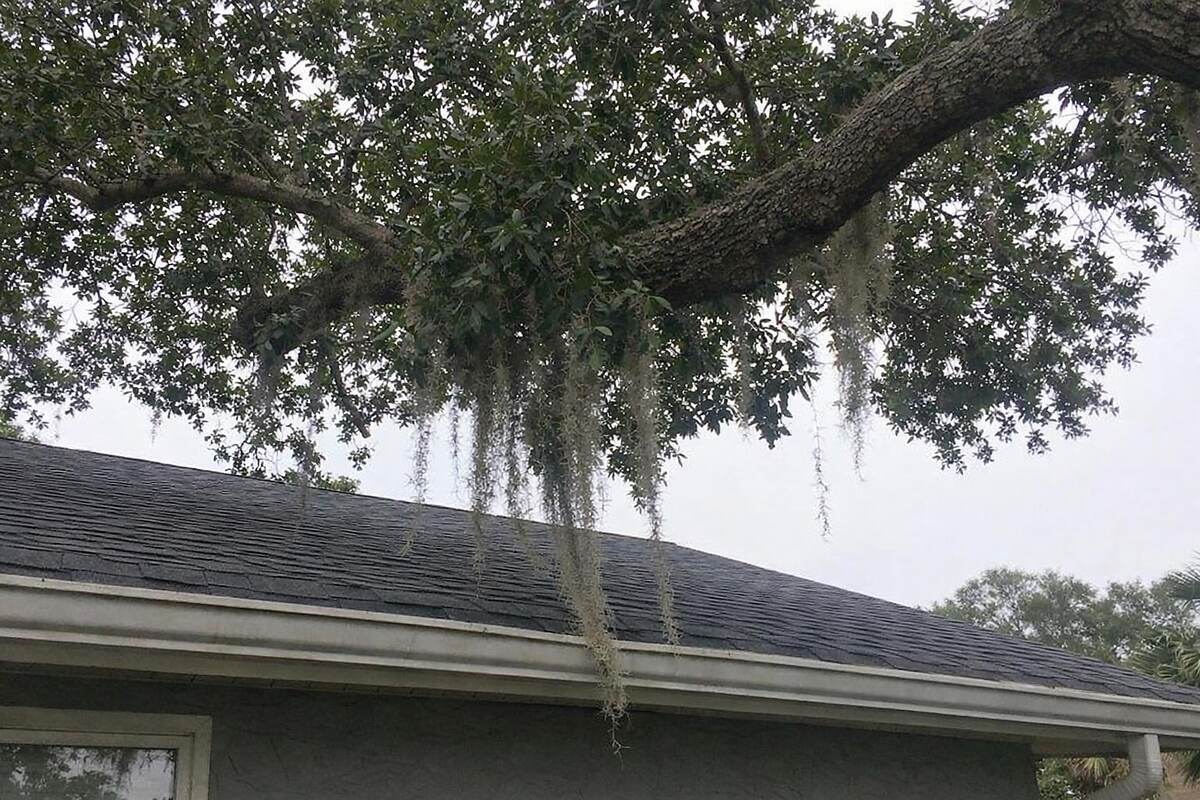
The older streets here carry mature live oaks and the newer subdivisions have planting that has grown into the rooflines, so the roof rat half of the problem is live across the whole town. UF/IFAS describes the animal as arboreal, traveling along branches, wires and palm trunks with a working range of roughly 150 yards from its den, which takes in a block of back yards at a time.
The signs are overhead and after dark: running and scratching above a ceiling, droppings a quarter to half an inch long with pointed ends in the attic insulation, and rub marks along a run. On a lakefront lot with heavy canopy it is entirely normal to have this above and the ground species below, which is why the inspection reads both rather than one.
The cheap half of the fix is the yard: limbs cut clear of the roof and the fascia, dead fronds out of palm crowns, firewood and debris off the foundation, dense ground cover cut back from the wall. None of it is pest work and all of it reduces the pressure the sealing has to hold against.
What We Handle in Orange Park
The work here covers both halves of a Clay County job, above the ceiling and along the shoreline.
- Rodent inspection: the free walk that settles the foundation, reads the shoreline and produces the opening list
- Norway rat removal: burrow work and ground-level trapping on lake, river and creek lots
- Roof rat removal: attic trapping on the marked runs once the roofline is closed
- Rodent exclusion: crawl-space vents, skirting and sill lines, or roofline returns, vents and garage seals, in steel
- Attic cleanup: droppings, nests and soiled insulation out of a low ranch attic, then treated
- Insulation replacement: the failed bays measured in square feet once the house is closed
- Commercial rodent control: the Blanding Boulevard retail and restaurant corridor, with documented visits
A Typical Orange Park Job
The situation: A 1972 single-story ranch on a lot running down to Doctors Lake, piers with a vented crawl space under the original section and a slab under a later family room, a wooden dock at the bottom of the lawn and oaks over the rear roof. Scuffling under the hall floor in the evenings and occasional running overhead at night, droppings in the laundry room, and an owner who has put bait blocks in the crawl space and is worried about the smell that has started.
What gets done: The crawl space shows two burrow mouths at the piers, a run the length of the front foundation, three perished vent screens and an open service penetration. The bank behind the bulkhead has two more burrows and a worn run up the lawn edge. The attic shows a single run of roof rat droppings from the rear eave and one open soffit return. The remaining bait is removed, and a carcass is located in the crawl-space insulation and taken out on the first visit. Quiet openings go closed in steel, the burrows are collapsed and the bank cover is cut back, traps go along the crawl-space sill and in the attic run, and the last vent closes at the second visit.
How it turns out: Three visits over about five weeks, with the crawl-space footage, the roofline return, the carcass removal and the trapping on four lines. The figure lands mid-band because the perimeter is long but the access is reasonable. No further bait goes down, and the smell clears within days of the carcass coming out.
What This Costs in Orange Park
What a job costs in Orange Park turns almost entirely on whether the house has a crawl space, since that part is measured by the foot. The reference bands below are national guidance and the nearest Florida metro with published figures, confirmed at the free inspection.
| Work | Typical band | Source |
|---|---|---|
| Full-home exclusion | $500 to $2,500 | HomeGuide 2026, national |
| Trapping and removal | $250 to $1,200 | HomeGuide 2026, national |
| Removal visit, Tampa | Average $1,078, typical $441 to $1,716 | Angi, nearest Florida metro with published figures |
| Dead rodent removal | $150 to $500 | HomeGuide 2026, national |
| Attic cleanup and decontamination | $600 to $2,500 | HomeGuide 2026, national |
A crawl-space house with a long perimeter and a waterfront lot sits in the upper half of the exclusion band; a slab house in a later subdivision with an intact soffit line sits in the lower half. Low-pitch ranch attics add time rather than area, which is the usual reason a small attic quote looks high, and it should be stated rather than absorbed into a round figure.
Rodents in the attic
What is happening above the ceiling, explained.
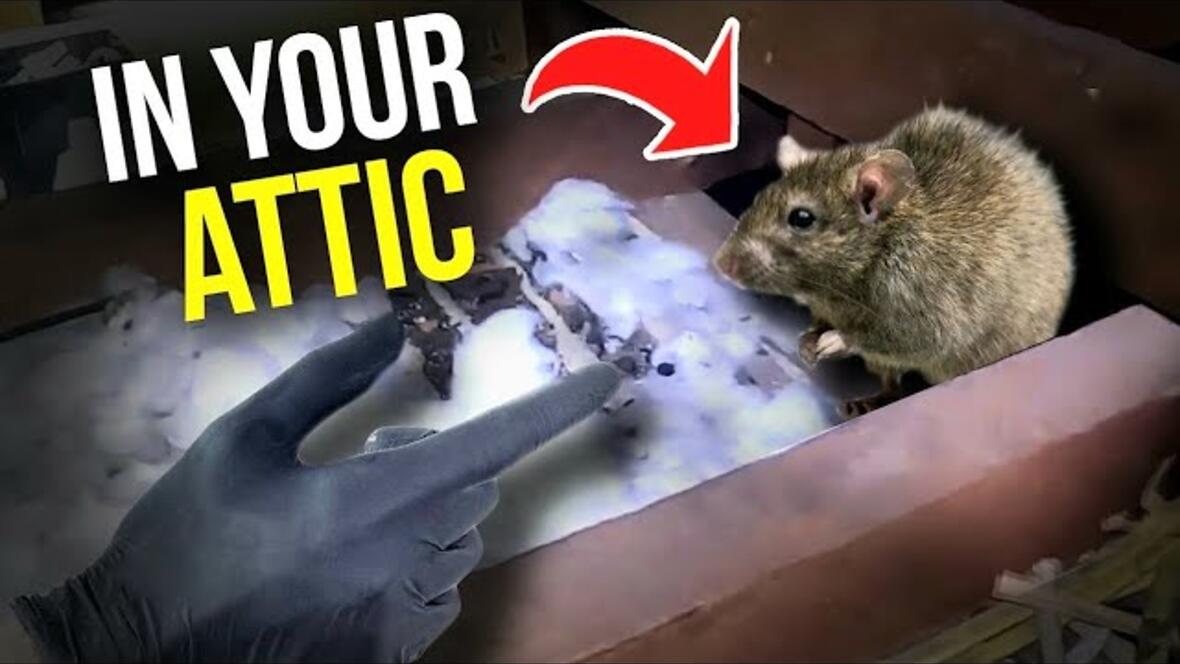
Video: Rodents in your ATTIC!? Here's what you do, from Twin Home Experts.
Common Questions in Orange Park
What Orange Park callers ask before booking.
Water and foundations
Does living on Doctors Lake make this inevitable?
It makes the pressure permanent and leaves the outcome up to your openings. Banks, bulkheads, dock structures and dense shoreline cover are Norway rat habitat and nothing removes that, so animals will be at the bottom of the lawn whatever you do. A house with screened crawl-space vents, a closed sill line and a sound garage seal is not somewhere they can get into. The maintenance half is cutting bank cover back from the lawn edge, collapsing burrows when they appear and keeping firewood and debris off the foundation.
How do I tell whether my house has a crawl space?
Look for vents or grilles low in the exterior wall just above ground level, and for a floor that sounds hollow rather than solid. Plenty of Orange Park houses have both, because an original section sits on piers and a later addition was poured on a slab, and the addition then has its own perimeter nobody checks. It matters because crawl-space work is priced by the foot while roofline work is priced by the opening, so the foundation decides the shape of the quote. The inspection settles it before anything is measured.
Bait, and what to do instead
I already put bait down and now there is a smell. What now?
Stop adding bait and have the carcass located. The EPA describes most rodenticides as anticoagulants that kill four days to two weeks after an animal begins feeding, and the animal dies in the nest it already has, which in a crawl-space house means under your floor or in a wall void. UF/IFAS notes that trapping reduces the risk of a poisoned rat dying inside a building, which is why routed jobs trap and seal instead. Finding and removing the carcass is its own short job, described on the dead rodent removal page, and the national band for it is $150 to $500.
Who comes out, and what license should they hold?
An independent contractor covering Clay County who holds the FDACS credential the work requires. The floor under Chapter 482 of the Florida Statutes is the Limited Commercial Wildlife Management certification for trapping rats or mice in a structure for pay, with a pest control business license and a certified operator in the General Household Pest category on top of that for any rodenticide work. Ask for the number and check it on the FDACS license search before work starts. A handyman sealing job carries neither obligation, which is worth knowing when one bid is far below the others.
Still have a question? Call (904) 659-6044 and ask.
Nearby Areas We Serve
The contractors dispatched to Orange Park cover the neighboring Clay County communities as well, and the whole Northeast Florida region is inside the service area.
Book a Free Inspection in Orange Park
Say whether you hear it above or below and whether the lot runs down to the lake or the river. The walk covers both levels at no charge.