Rodent Removal in Middleburg, FL
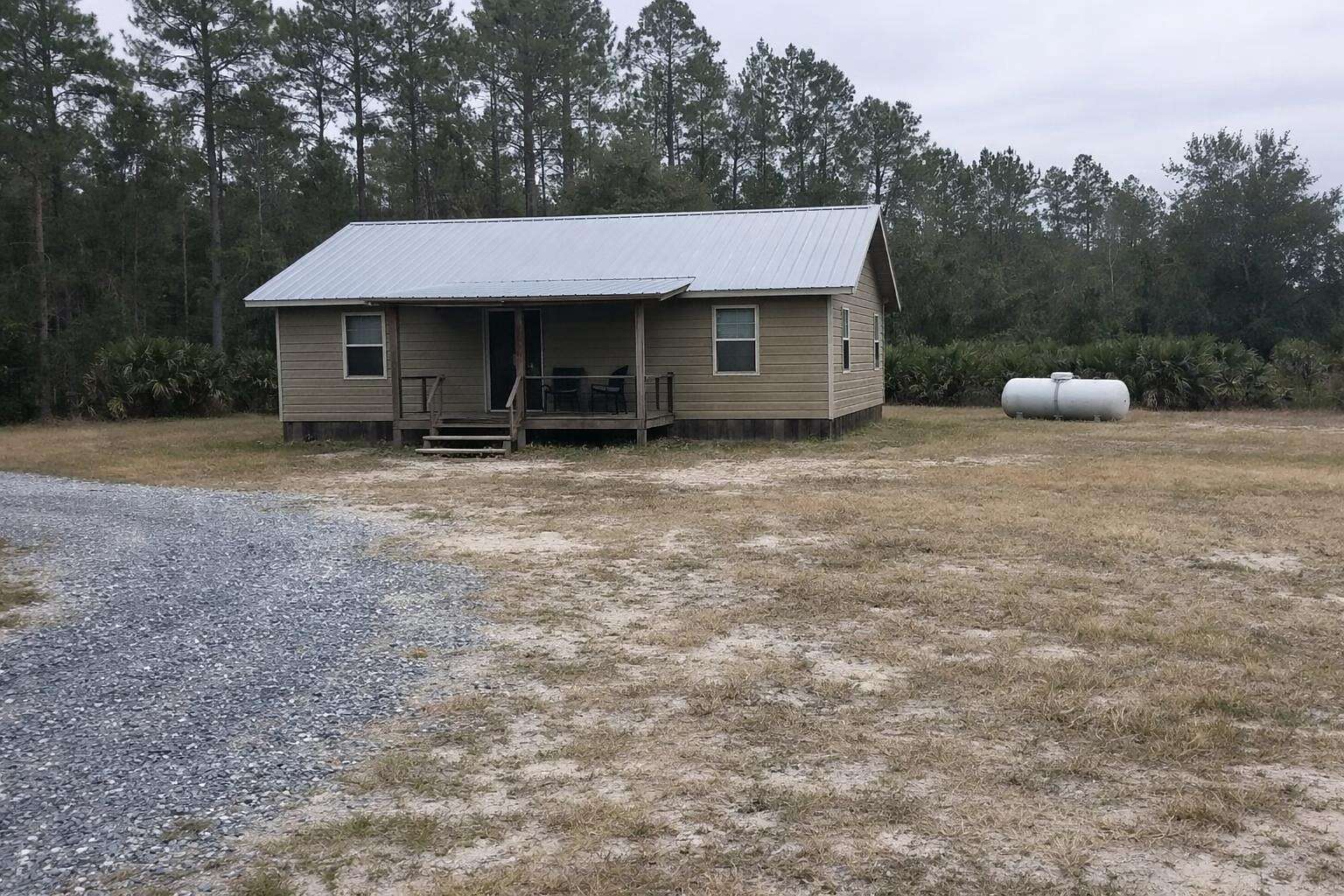
Middleburg is large wooded lots along Black Creek, with outbuildings, woodpiles and pine flatwoods up against the houses, so the harborage on the property matters as much as the openings in the wall.
- Outbuildings included
- Creek and woodline read
- Free inspection, written up
Free Inspection in Middleburg
The free inspection on a Middleburg property covers more ground than a suburban one, because the property is usually the problem. The contractor walks the roofline from a ladder and reads the attic with a light, enters the crawl space where the house has one, then works the outbuildings, the woodpile, the woodline and the creek bank, because on an acre lot the harborage against the house is the thing that keeps refilling it.
Middleburg is in Clay County, reached along Highway 21 southwest of Orange Park, and the Jacksonville contractor network covers it on the same dispatch. Calls get picked up at any hour, and there is nothing to pay for the survey. Say whether the noise is above or below, what outbuildings are on the land and whether anything is stored in them, and a dispatcher books from there. Hours and the address are on the contact page.
Book the free Middleburg inspection
Name, number and what you are hearing. A dispatcher calls back to set a time with the contractor who covers Clay County.
Acre lots, outbuildings and what lives in them
The defining Middleburg condition is space around the house, with sheds, barns, workshops, carports and pole buildings on a lot of properties. Each of those is a structure with its own openings, and most of them hold something rodents want: feed, birdseed, pet food, fertilizer, stored furniture, insulation in a workshop ceiling. On a rural lot the outbuilding is frequently the reservoir and the house is the overflow.
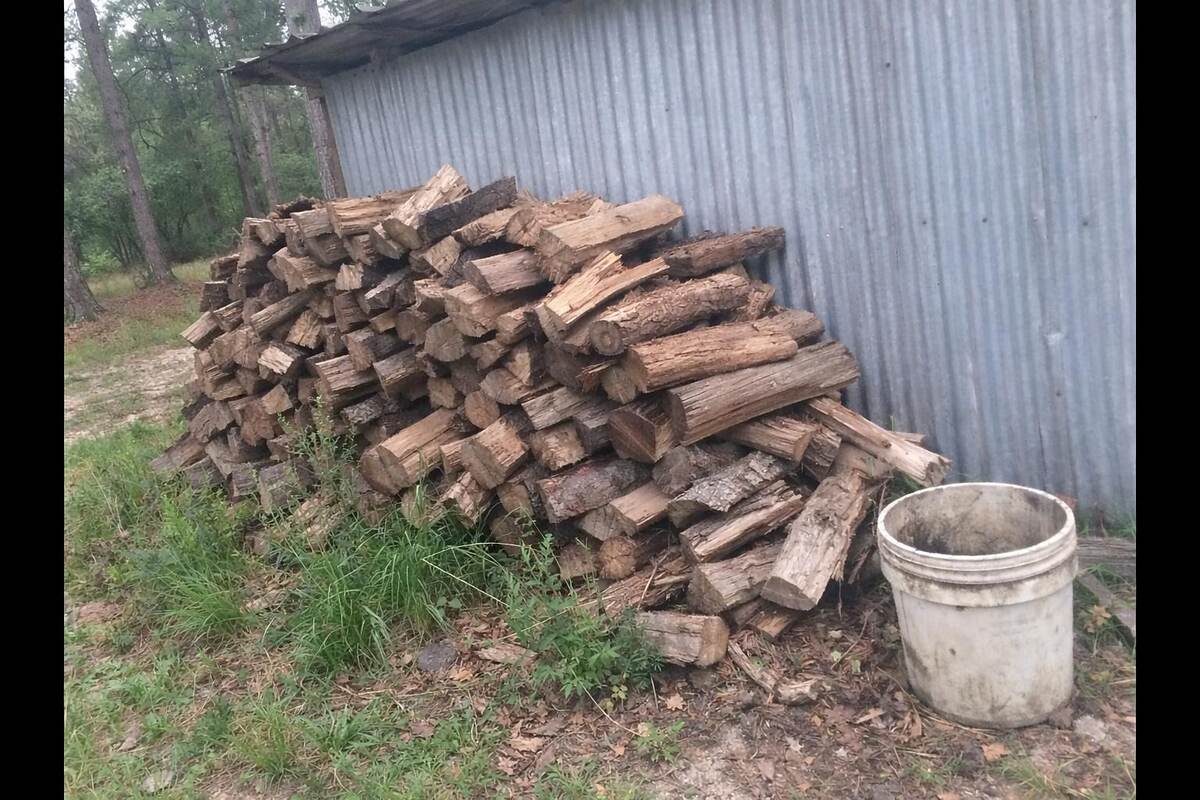
Woodpiles are the other standing feature and they matter more than people expect. Split wood stacked against a shed or a house wall is cover, shelter and a staging point within a few feet of the building, and moving it away from walls and raising it off the ground is one of the highest-value pieces of free work available on a property like this.
The practical approach is to treat the whole site rather than the house alone. Openings closed in steel on the house and on the outbuildings that need it, feed and seed moved into bins with lids, and the harborage against walls removed. Each structure appears as its own line on the quote so anything can be deferred knowingly, and the materials are covered on the exclusion page.
Black Creek and the pine flatwoods
Black Creek runs through Middleburg and the land around it is pine flatwoods, palmetto and low wet ground. That is habitat rather than landscaping: burrowing ground along the banks, continuous cover in the understory, and a population of outdoor rodents that has nothing to do with any household. Cotton rats live in flatwoods like these, though as an outdoor field species they are not what ends up in an attic; the Norway rat is the one that comes indoors from a bank.
The creek also floods, and the rodent consequence is mechanical rather than statistical. When burrows go underwater the animals in them relocate to the nearest dry structure, which on these properties is a crawl space, a barn or a garage. The CDC links rises in leptospirosis cases to hurricanes and flooding, names rodents among the animals carrying it, and recommends rodent control as part of what a household does after a flood. No figure exists for the size of the effect and none is offered.
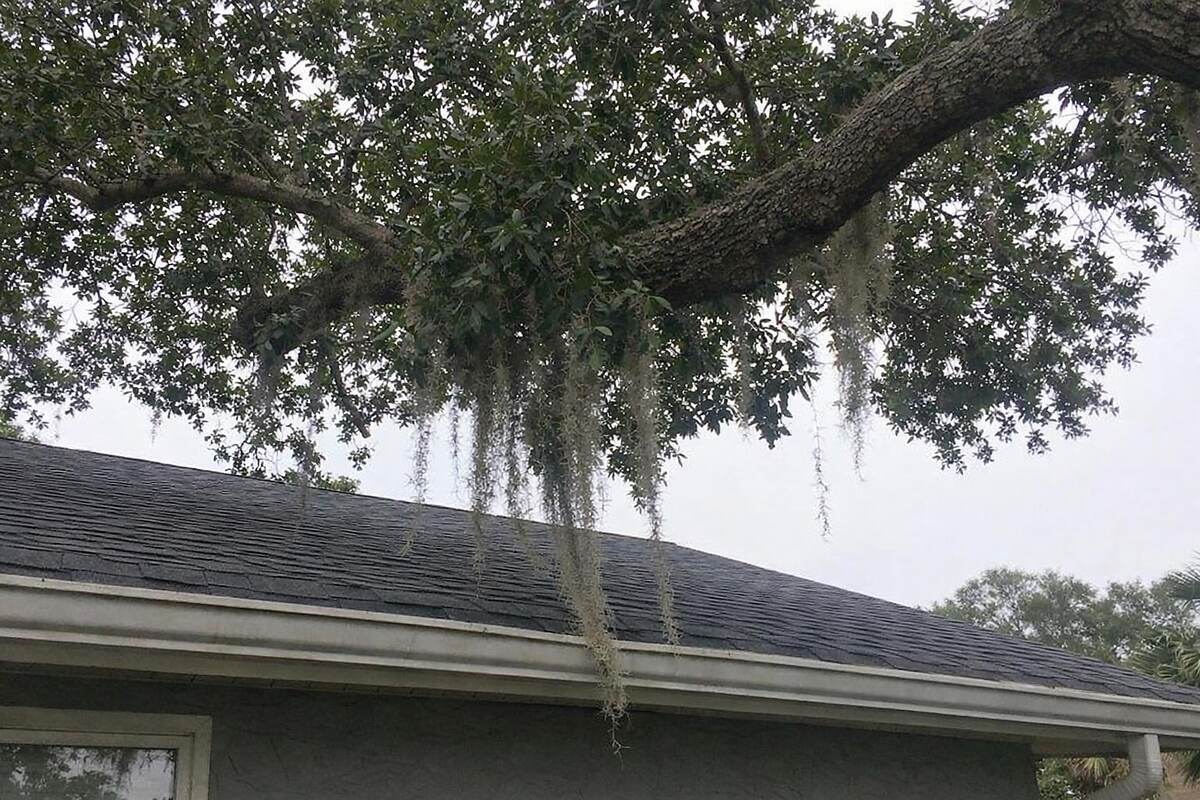
On the roofline side, heavy pine and oak cover puts routes over a lot of roofs here. UF/IFAS describes the roof rat as arboreal, traveling along branches, wires and palm trunks with a working range of roughly 150 yards from its den, and on a wooded lot that means several directions at once.
What We Handle in Middleburg
The work here covers the house and the structures around it, because on a rural lot they are one job.
- Rodent inspection: the free walk of the house, the outbuildings, the woodpile and the woodline
- Rodent exclusion: house openings plus shed, barn and workshop closures, in steel and sheet metal
- Norway rat removal: burrow work and ground-level trapping along the creek bank and under outbuildings
- Roof rat removal: attic trapping on the marked runs once the roofline is closed
- Attic cleanup: droppings, nests and soiled insulation out of a house or a workshop ceiling
- Dead rodent removal: locating a carcass behind a smell in a wall, a floor void or an outbuilding
- Post-storm inspection: the roofline, the perimeter and the creek bank walked again after flooding
A Typical Middleburg Job
The situation: A 1980s wood-frame house on two wooded acres off Highway 21, piers with a vented crawl space, a metal pole barn holding feed and a stack of split firewood against the barn's south wall. Droppings in the barn for months, which nobody worried about, and then scuffling under the kitchen floor and a chewed bag of pet food in the laundry room.
What gets done: The barn is the reservoir: feed in open sacks, droppings along three walls, gaps at the base of two sliding doors and a gnawed corner at the service door. The woodpile against the barn wall has runs under it. The crawl space under the house shows a burrow mouth at a rear pier, two perished vent screens and a run the length of the back foundation. The attic is clean. Feed goes into metal bins with lids, the woodpile is moved away from the wall and raised, the barn door gaps are closed in sheet metal and the service door gets a steel kick plate, the crawl-space vents are screened in quarter-inch cloth and the burrow is collapsed, and traps go in the barn and along the crawl-space sill.
How it turns out: Three visits over about a month, with the barn closures, the crawl-space work and the trapping on three lines, and the barn carrying most of the figure rather than the house. The kitchen floor noise stops in the first week. The owner keeps the feed in bins afterward, which is the change that matters most on a property like this.
What This Costs in Middleburg
On a rural property the figure depends on how many structures need work as well as on the size of the house. The bands below are the published reference points and the free inspection turns them into a quote with a line per structure.
| Work | Typical band | Source |
|---|---|---|
| Full-home exclusion | $500 to $2,500 | HomeGuide 2026, national |
| Trapping and removal | $250 to $1,200 | HomeGuide 2026, national |
| Removal visit, Tampa | Average $1,078, typical $441 to $1,716 | Angi, nearest Florida metro with published figures |
| Attic cleanup and decontamination | $600 to $2,500 | HomeGuide 2026, national |
| Dead rodent removal | $150 to $500 | HomeGuide 2026, national |
The house itself often sits mid-band, with a crawl-space perimeter priced by the foot adding to it. What makes a rural quote larger is the outbuildings, and what makes it smaller is free work the owner does: feed into lidded bins, woodpiles moved off walls and raised, debris cleared, understory cut back from foundations. A contractor who lists those items rather than pricing them has told you where the savings are.
What is moving inside the walls
How noise in a wall cavity gets traced.
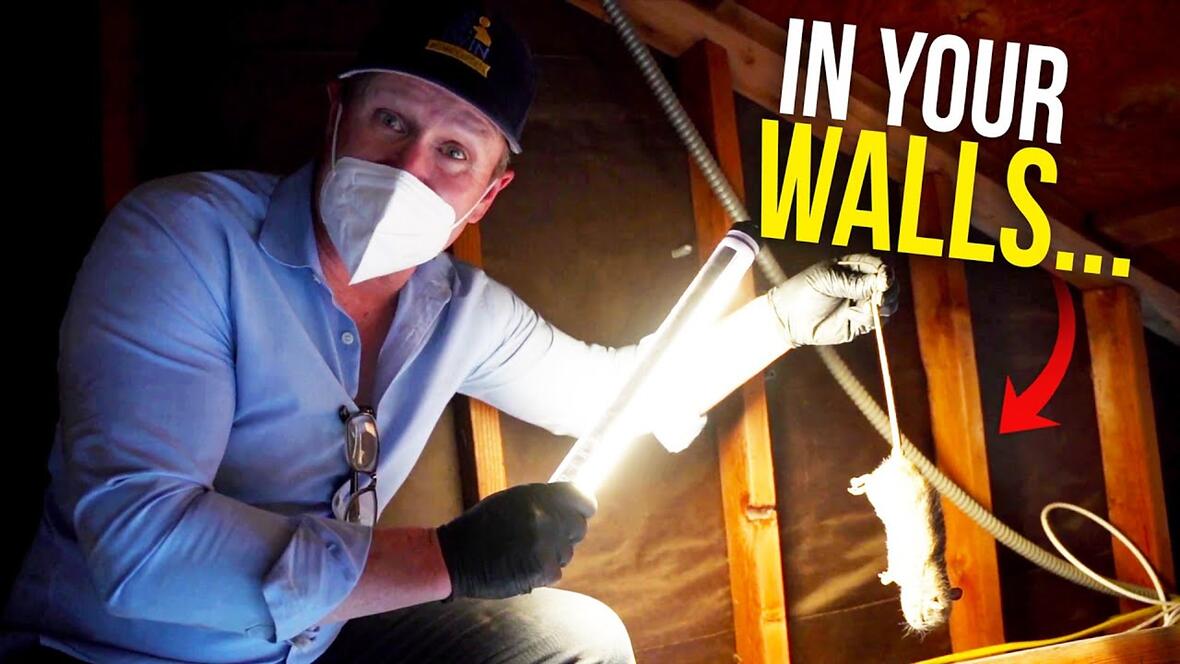
Video: Rodents in your walls? Here's what you do, from Twin Home Experts.
Common Questions in Middleburg
What Middleburg callers ask about a rural property.
Land and structures
Do the barn and shed really need doing as well?
On a rural lot they are usually where the population lives, with the house as the overflow, so sealing the house alone buys a quiet season at best. An outbuilding with feed or seed in open sacks, gaps at a door base and a woodpile against its wall is a permanent supply thirty feet from your kitchen. Each structure gets its own line on the quote so it can be deferred deliberately, but the order that works is the reservoir first. A lot of the fix there is free: bins with lids, wood moved and raised, and the ground cleared along the walls.
There are droppings in the barn but nothing in the house. Is that urgent?
It is the cheapest moment to act rather than an emergency. UF/IFAS puts roof rat gestation at 21 to 23 days with litters of five to eight and four or five litters a year, and maturity at three to four months, so a barn population expands and then looks for more space, particularly once nights cool through October and into February. Dealing with it while it is still outside the house means closures on one structure and a short trapping run rather than an attic job, a crawl-space job and a cleanup later.
Creek and method
The creek flooded and now we have them. Will it keep happening?
Flooding moves them every time it happens; what changes is whether they can get in when they arrive. When burrows along a bank go underwater the animals relocate to the nearest dry structure, which on these properties is a crawl space, a barn or a garage. A house and outbuildings closed to the quarter-inch standard UF/IFAS sets are not available to them. After any flood the perimeter and the outbuilding doors are worth walking again rather than assumed, since debris in moving water pushes screens out of frames, and that walk is on the post-storm inspection page.
Can I just put bait out in the barn?
It is the most common rural approach and it produces the call that comes next. The EPA describes most rodenticides as anticoagulants that kill four days to two weeks after an animal begins feeding, and the animal dies wherever it is nesting, which may be in your barn ceiling, under a floor or in a wall void in the house. UF/IFAS notes that trapping reduces the risk of a poisoned rat dying inside a structure. There is also the matter of anything else that eats a poisoned rodent on a property with pets and working animals. Sealing, bins and traps is the sequence that holds.
Still have a question? Call (904) 659-6044 and ask.
Nearby Areas We Serve
The contractors dispatched to Middleburg cover the neighboring Clay County communities as well, and the whole Northeast Florida region is inside the service area.
Book a Free Inspection in Middleburg
Say what structures are on the land and whether anything is stored in them. The walk covers the house, the outbuildings and the creek side at no charge.