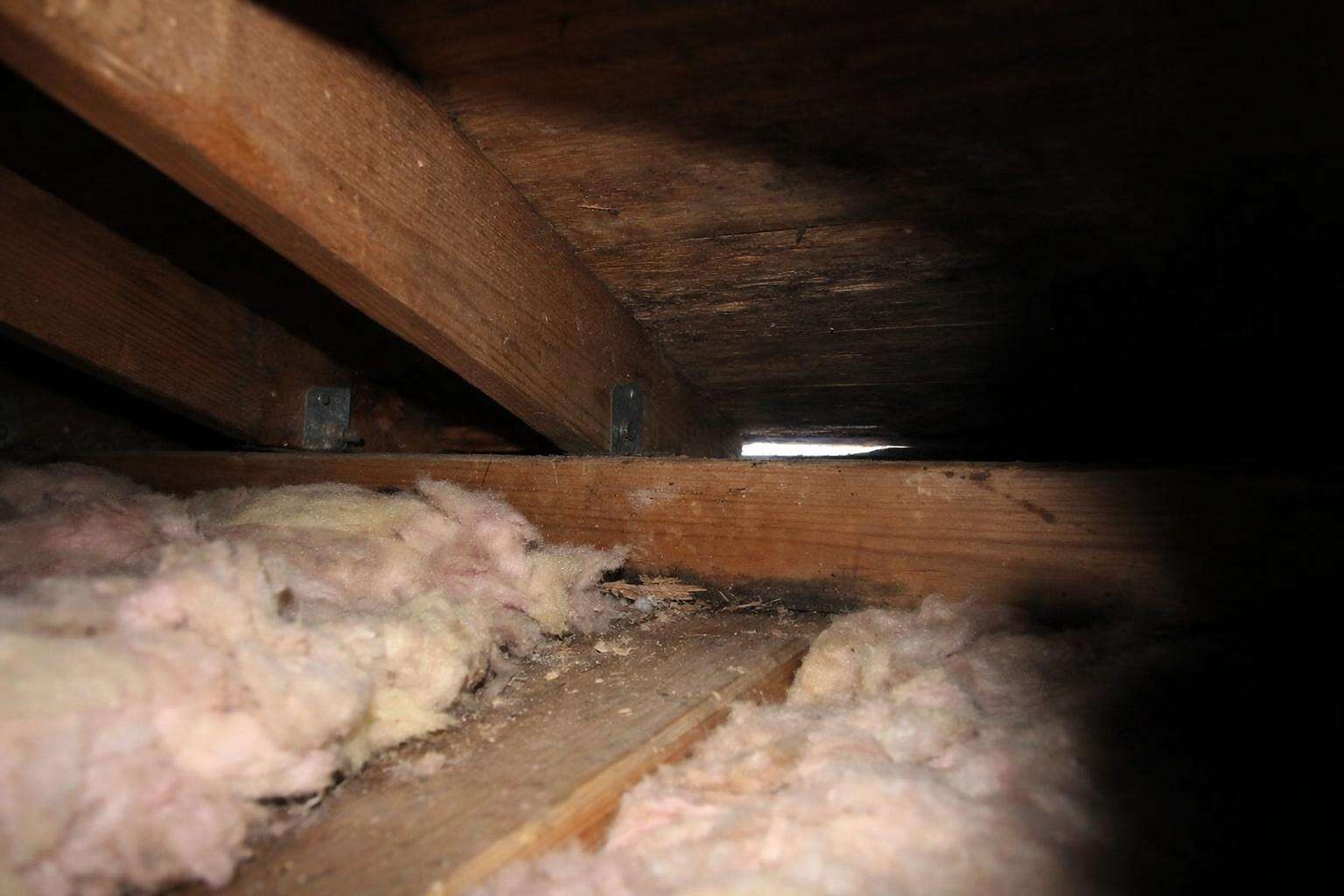
Dead Rodent Removal in Jacksonville, FL
A heavy sweet smell that builds for days and then slowly fades is an animal that died where it was living. Locating it is the job, and on most calls the reason it is there at all is a poison plan with no sealing behind it.
- Located before anything is cut
- Smallest possible opening
- Area treated, then closed
What dead rodent removal in Jacksonville includes
The work is a search followed by a removal and a repair, and the search is the part that takes the skill. Whoever attends works the smell back to its source with a systematic sweep of the attic, the wall voids, the crawl space and the duct runs, then opens the smallest access that reaches it, removes the carcass and the material around it, treats the cavity and closes the opening.
Cutting first and looking afterward is what produces four holes in a hallway. A careful search narrows a wall cavity down to a bay or two before anything is opened, using the pattern of the smell through the day, the insulation void above, the known runs from the rodent sign, and where flies have appeared.
- A walk of the attic, the crawl space where the house has one, the garage and the accessible wall lines to place the source
- Duct and plenum checks, since a carcass in a return pulls the smell through the whole house rather than one room
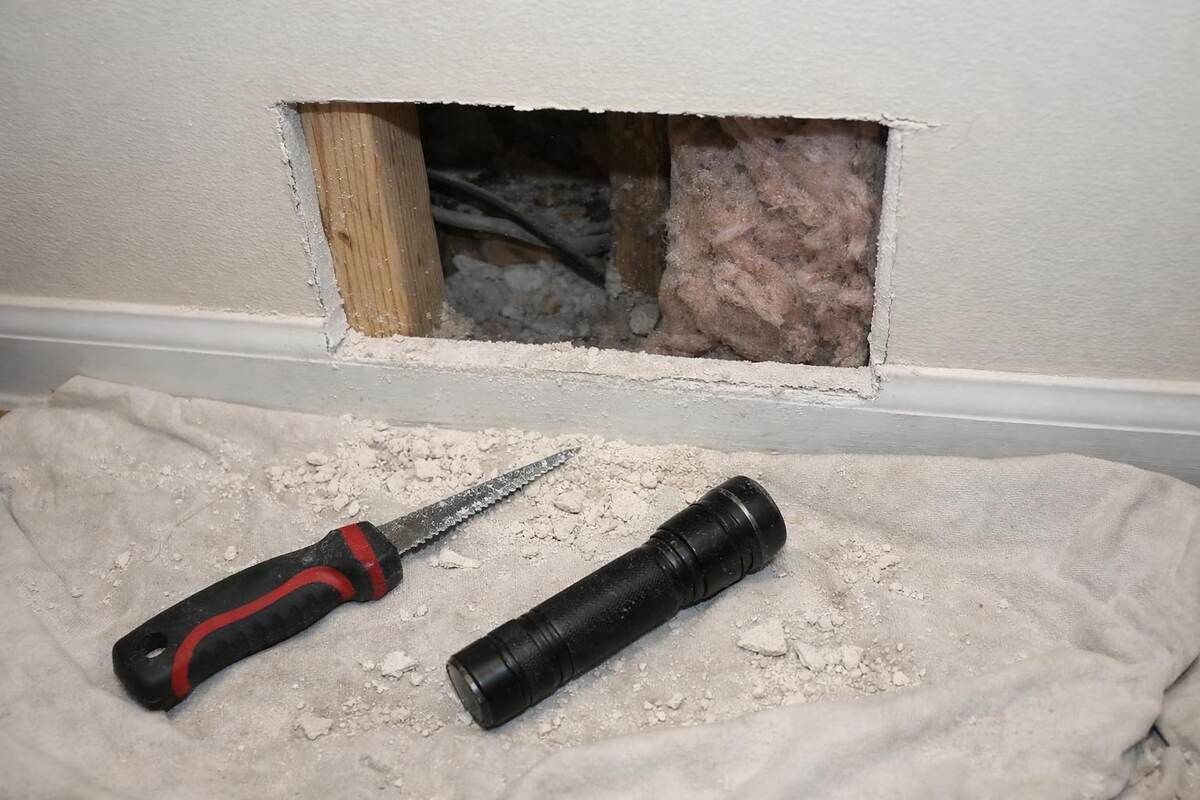
- The smallest access cut that reaches it, in the least visible face available
- The carcass, the nesting material and any soaked insulation removed and bagged
- The cavity treated for odor and contamination rather than sprayed over
- The opening closed, and the entry route that let the animal in recorded for sealing
Patching drywall and repainting is normally left to the homeowner or a finishing trade, and the quote says so. What the rodent contractor closes is the rodent route, which is covered on the exclusion page.
Book the free inspection
Say what you hear, where in the house, and how long it has been going on. A dispatcher lines up the nearest certified contractor for a free roofline, attic and crawl-space inspection.
Why there is a dead rat in the wall in the first place
Most of these calls trace back to a poison-only plan, and the mechanism is worth stating because the folklore around it is so persistent. The claim that poison makes a rat thirsty so it goes outside to look for water and dies in the open is not true. Anticoagulant baits do not send the animal anywhere. The EPA describes most rodenticides as anticoagulants and puts death at four days to two weeks after the animal starts feeding, and during that time it keeps doing what it was doing, which is living in your attic, your wall void or your crawl space.
UF/IFAS makes the practical point from the other direction: trapping reduces the risk of a poisoned rat dying inside a building, because a trapped animal is removed by hand on a scheduled check. That is the whole argument for the sequence used on every job routed here, and it is why bait is rare on these jobs rather than standard.
A second and smaller group of calls has nothing to do with poison. An animal that got into a wall cavity or a soffit return with no way out, or one that died of age or injury in a nest, produces the same smell. The search is identical either way, and so is the lesson at the end of it: the opening it came through is still open.
How long does the smell last if nothing is done?
Expect a couple of weeks of it getting worse and then several more of it slowly easing, with the total running to a month or two depending on the size of the animal, the temperature of the cavity and how much air moves through it. A roof rat is 12 to 14 inches including the tail according to UF/IFAS, with the tail longer than the head and body, so there is a meaningful amount of material involved.
Jacksonville conditions push it to the long end. An attic here runs hot for most of the year, which accelerates the first phase and makes the peak harder to live with, and the humidity keeps the soaked insulation around the carcass damp long after the rest has dried. A carcass inside an air conditioning return is the worst case, because the system distributes the smell to every room on the circuit and keeps doing it for as long as the material is in there.
Waiting it out is a real option in one narrow case: a small animal in a ventilated attic space where the smell does not reach living areas. Anywhere else, the combination of the duration, the flies that follow and the fact that the entry route is still open is what makes the call worth making.
What dead rodent removal costs in Jacksonville
The published band below is national, printed here so a quote has something to sit against, and turned into a figure at the free visit. The search is the variable, because an animal in an open attic is a ten-minute job and an animal in a wall cavity behind tile can take an hour to place before anything is opened.
| Work | Typical band | Source |
|---|---|---|
| Dead rodent removal | $150 to $500 | HomeGuide 2026, national |
| Attic cleanup where the nest area needs clearing | $600 to $2,500 | HomeGuide 2026, national |
| Trapping and removal of the live population | $250 to $1,200 | HomeGuide 2026, national |
| Full-home exclusion to close the route | $500 to $2,500 | HomeGuide 2026, national |
Three Jacksonville conditions move a call up the band. A carcass inside a duct run, because the system has to be opened and the affected section cleaned rather than just reached. A location under the floor of a pier-and-beam house in Riverside or Avondale, where the crawl space is tight and the work is done flat on the back. And a location behind a finished surface that is expensive to reopen, such as tiled bathroom wall or a plaster ceiling in a historic house.
One honest caution about the quote. A figure given over the phone before anyone has found the animal is a guess, and the useful version is a visit charge or a free visit that produces a real number once the source is placed. Every job routed from here starts with the free inspection rather than a phone estimate.
How the carcass gets located without cutting the house open
A methodical search beats a saw, and the order is the same on most houses. The smell is strongest closest to the source and changes with the time of day as the cavity heats, so the first step is to walk the house at two different times and note where it peaks.
- The attic first, because most Jacksonville calls are roof rats and most die where they were living rather than inside a wall
- Insulation surfaces checked for a depression, a stain or a cluster of flies, which marks the spot more often than any instrument
- The top plates traced along the wall lines under the strongest part of the smell, since an animal that fell into a cavity usually came from above
- The crawl space on a pier-and-beam house, along the sill and around the piers where a Norway rat nests
- Return air vents and the plenum checked by smell with the system running and then off
- Only then an access cut, in the least visible face, sized to reach rather than to look
Homeowners can shorten the search considerably before anyone arrives. Note where the smell is worst, at what time of day, whether it strengthens when the air conditioning runs, and whether any flies have appeared and where. That is usually enough to take the search from a whole floor to a couple of bays.
Where these calls come from across Jacksonville
The pattern follows the housing stock. Slab houses in Mandarin, Southside, Baymeadows and at the Beaches produce attic and wall-void calls, with the animal usually coming in at a soffit return or a gable vent and dying in the insulation within a few feet of its run. Those are the straightforward ones.
Pier-and-beam houses in Riverside, Avondale, Ortega and Springfield, and the 1950s ranches in Arlington and on the Westside, produce under-floor calls as well, where the smell comes up through the floor rather than down through the ceiling and the search happens in the crawl space. A Norway rat that has been working a burrow against a pier dies close to it, often in the insulation between the floor joists.
Two local triggers produce clusters of these calls. The fall and winter move indoors, when a poison plan laid in October starts producing carcasses through November and December as animals that fed inside the house die inside it. And high water: Hurricane Irma in September 2017 put the St. Johns River into Riverside, San Marco and downtown at record levels, and when a burrow floods the animals move into the nearest dry structure, which is where some of them stay.
What to check on whoever comes to find it
This is an emergency call, and emergency calls are where the worst habits turn up, so the short list matters more than usual.
- Whether the visit includes a search or only a removal once you have located it yourself.
- How many access cuts are anticipated, who closes them, and whether patching and painting is inside or outside the quote.
- Whether the live population and the entry route are being dealt with, or only the carcass. Removing the animal and leaving the opening means the same call again.
- Whether any bait is being proposed. On a job that started with a carcass from a poison plan, more bait is the wrong answer.
- The FDACS credential and its number, checked on the FDACS license search. Under Chapter 482 of the Florida Statutes, trapping rats or mice in, on or under a structure for pay requires at minimum the Limited Commercial Wildlife Management certification, and any rodenticide work requires a pest control business license with a certified operator.
One question settles the most important part: what was the animal doing in the cavity, and how did it get there. A contractor who answers that has understood the job as a building problem rather than an odor problem, and the follow-up work is described on the inspection page.
The services that usually run with this one
A Jacksonville rodent job is a sequence of separate lines, and these pages cover the steps on either side of this one.
- Attic Cleanup and Decontamination: Droppings, nests and soiled insulation removed, then the attic sanitized.
- Roof Rat Removal: Trapping the attic rat that answers most Jacksonville calls, sequenced with sealing.
- Rodent Exclusion: Roofline and crawl-space sealing to the quarter-inch standard in steel and sheet metal.
Who attends and which FDACS certificate to look up is set out on the about page. Hours, the downtown address and the full service area are on the contact page.
The smell of a dead rodent
What causes it and how long it lasts.
Video: How to get rid of dead rat smell, from STOP PEST INFO.
How a dead rodent call runs in Jacksonville
Five steps, with the search taking most of the time and the cutting kept to a minimum.
-
Describe the smell
Where it is worst, what time of day, whether the air conditioning makes it stronger, and where any flies have appeared.
-
Search before cutting
The attic, crawl space, wall lines and duct runs are worked in order until the source is placed within a bay or two.
-
Open the smallest access
One cut in the least visible face, sized to reach the animal rather than to look around, with the floor protected underneath.
-
Remove and treat
The carcass, nesting material and soaked insulation come out bagged, and the cavity is treated for odor and contamination.
-
Close the route
The access is closed and the opening the animal used to get in is recorded and quoted, because the next one uses the same way.
What makes this call go well
Three things that separate a located carcass from a hallway full of holes.
-
The search comes before the saw
The source is narrowed to a bay or two from the pattern of the smell, the insulation surface, the top plates under the strongest point and the duct runs, and only then is an access opened in the least visible face. Four exploratory cuts in a hallway is the signature of a crew that started with a blade. A homeowner noting where and when the smell peaks before anyone arrives usually saves an hour of that search.
A roof rat runs 12 to 14 inches including the tail, UF/IFAS Extension
-
Bait is not the answer to a bait problem
Most of these calls exist because a poison plan was laid with no sealing behind it. The EPA puts death at four days to two weeks after an animal begins feeding on an anticoagulant, and the animal spends that time where it lives, which is inside the house. UF/IFAS notes that trapping lowers the risk of a poisoned rat dying indoors, so every job routed here traps and seals rather than baiting, and nobody proposes more bait in a wall that already has a carcass in it.
Most rodenticides are anticoagulants, death 4 days to 2 weeks after feeding begins, U.S. EPA
-
The route out is the route in
Removing the animal without recording how it got into the cavity guarantees the same call in a season. The opening is photographed and quoted for sealing alongside the removal, with the two on separate lines so either can be taken on its own. On a pier-and-beam house in Riverside or Arlington that means the crawl-space perimeter gets walked as well as the roofline, because the smell coming up through the floor started underneath it.
Dead rodent removal $150 to $500 nationally, HomeGuide 2026
What Reddit Says About a Dead Rat in the Wall
Dead-animal odor drives its own wave of posts in r/pestcontrol, r/HomeImprovement and r/HomeMaintenance, and they arrive in a recognizable shape: a smell that appeared four or five days ago, a homeowner who has just learned that poison was put down, and a question about how long this lasts. The answers from people who have been through it are consistent about the timeline running to weeks rather than days, and unanimous that the myth about poison sending rats outside to find water is a myth.
The practical advice in those threads is about the search. Walk the house at different times of day and note where the smell peaks, check the attic insulation for a depression or a stain, look for flies, and check the return air vents before anyone cuts drywall. Several posters describe companies arriving and opening multiple holes on guesswork, and those posts are where the anger is.
The warning that recurs is about scope. A company that comes out, removes the animal and leaves without addressing how it got in, or without dealing with the live population still in the attic, produces the same call again within months. The threads treat carcass removal on its own as an incomplete job, and they are right about it.
Questions people tell each other to ask before booking: does the visit include searching or only removal, how many access cuts are expected and who patches them, is the live population and the entry point part of the quote, and what happens if the smell is still there in a week. The last one is worth asking in writing.
A typical carcass call in an Arlington ranch house
The situation: A 1963 single-story ranch in Arlington, part slab and part crawl space, where bait stations had been put down in late October by a company that did no sealing. A sweet heavy smell reached the hall bathroom about six days later, got noticeably worse over a weekend, and a small group of flies appeared at the bathroom window. The owner has been told by a neighbor to wait it out and has stopped using that end of the house.
What gets done: The walk-through places the peak in the bathroom and the adjoining hall closet, stronger in the afternoon and unchanged by the air conditioning, which takes the ducts out of the picture. The attic above shows a depression in the insulation against the bathroom top plate with staining at the edge and two flies on the decking. The carcass is in the insulation rather than in the cavity, so no cut is needed at all: the material around it is bagged in the attic, the area is treated, and a second animal is found and removed from the same run a few feet away. The crawl-space walk turns up a burrow mouth at the rear pier and two perished vent screens.
How it turns out: One visit of about two hours for the removal and treatment, inside the published band for the removal, with the smell gone from the bathroom in three days. The sealing of the vents and the sill gap, and trapping for the animals still in the crawl space, are quoted on separate lines and booked for the following week. No bait goes back down.
Questions about finding and removing a dead rodent
What callers ask in the first minute of this particular call.
The smell and the search
How long will the smell last if I wait?
Usually a couple of weeks of it building and several more of it easing, so a month or two in total, longer in a hot attic and longer again if the material around the animal stayed damp. A roof rat is 12 to 14 inches including the tail according to UF/IFAS, so there is real mass involved. The case where waiting is reasonable is a small animal in a well-ventilated attic where the smell never reaches a living space. Where it reaches a bedroom or a bathroom, or where the air conditioning is carrying it, the duration is the argument for the call.
Can you find it without cutting holes in my walls?
Often, yes. On most Jacksonville calls the animal is in the attic insulation rather than inside a wall cavity, because roof rats live above the ceiling and die close to their runs, so the material is lifted out from above with no cut at all. Where it really is inside a cavity, the search narrows it to one or two bays from the pattern of the smell, the top plate line and the flies before anything is opened, and then a single access is cut in the least visible face. Noting where and when the smell peaks before the visit is the most useful thing you can do.
Poison, and what comes next
Is it true that poison makes rats go outside to die?
No, and it is the most common piece of bad information in this niche. The EPA describes most rodenticides as anticoagulants that kill four days to two weeks after an animal begins feeding, and nothing in that process moves the animal out of the building. It keeps using the same nest, which is in your attic or your wall. UF/IFAS makes the positive case for the alternative: trapping reduces the risk of a poisoned rat dying inside a structure, because a trapped animal is removed by hand on a scheduled check. Anyone selling the thirst story is telling you how much to trust the rest of the quote.
Do I still need the rest of the work once the carcass is out?
The opening the animal used is the reason to keep going. A carcass in a cavity means a route into the building and, in almost every case, more animals using it, so removal on its own buys a few quiet weeks. The order from there is the same as any other rodent job: close every gap a quarter inch or wider, which UF/IFAS gives as the rat-proofing standard, trap what is still inside, then deal with the nesting material and any soaked insulation. Each of those is a separate line on the quote, so they can be taken in stages if the cost has to be spread.
Still have a question? Call (904) 659-6044 and ask.
Get it found today
Describe where the smell is worst and what time of day, and a dispatcher lines up a free visit that searches before anything is opened.