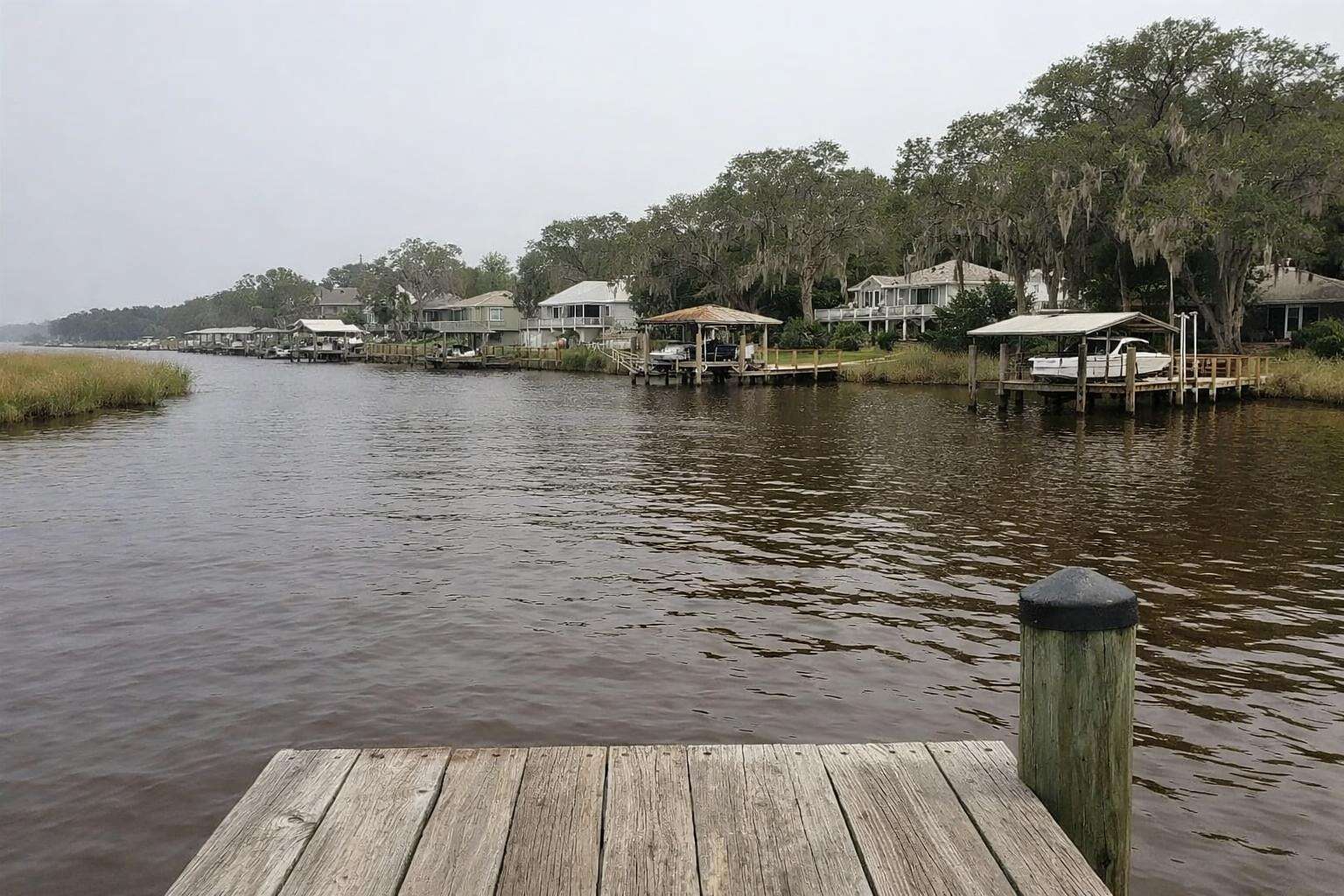
Rodent Removal in Julington Creek, FL
Julington Creek is a 1990s and 2000s subdivision area whose planted oaks have grown into the rooflines, with a tidal creek along its northern edge supplying the other species from the ground.
- Mature planted canopy
- Creek and pond banks read
- Free inspection, itemized quote
Free Inspection in Julington Creek
The free inspection here is a ladder at every elevation, a light through the attic and a walk of the ground, because a slab subdivision house has a short list of openings and the question is whether anyone has checked all of them. The contractor works the soffit returns, the gable and off-ridge vents, the roof-to-wall junctions and the air conditioning line sleeve, reads the attic for droppings, rub marks and flattened bays, then checks the garage seals and what the back of the lot backs onto.
Julington Creek is in St. Johns County, just south of the Duval line off San Jose Boulevard, and the Jacksonville contractor network covers it on the same dispatch. The number is covered around the clock and the walk is free of charge. Say which room the noise is over, whether it is overhead or at floor level, and whether the lot backs onto water or a pond, and the dispatcher books from there. The contact page has the hours.
Book the free Julington Creek inspection
Name, number and what you are hearing. A dispatcher calls back to set a time with the contractor who covers St. Johns County.
Trees planted with the houses, now touching them
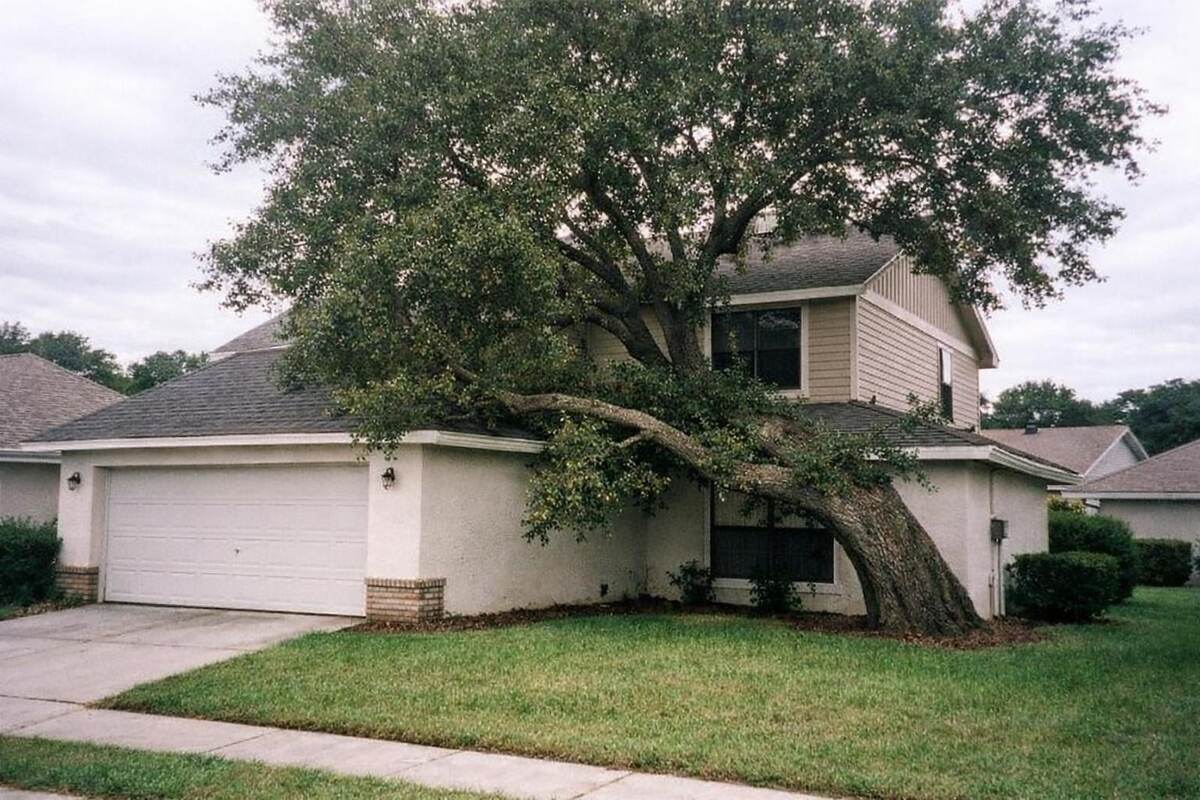
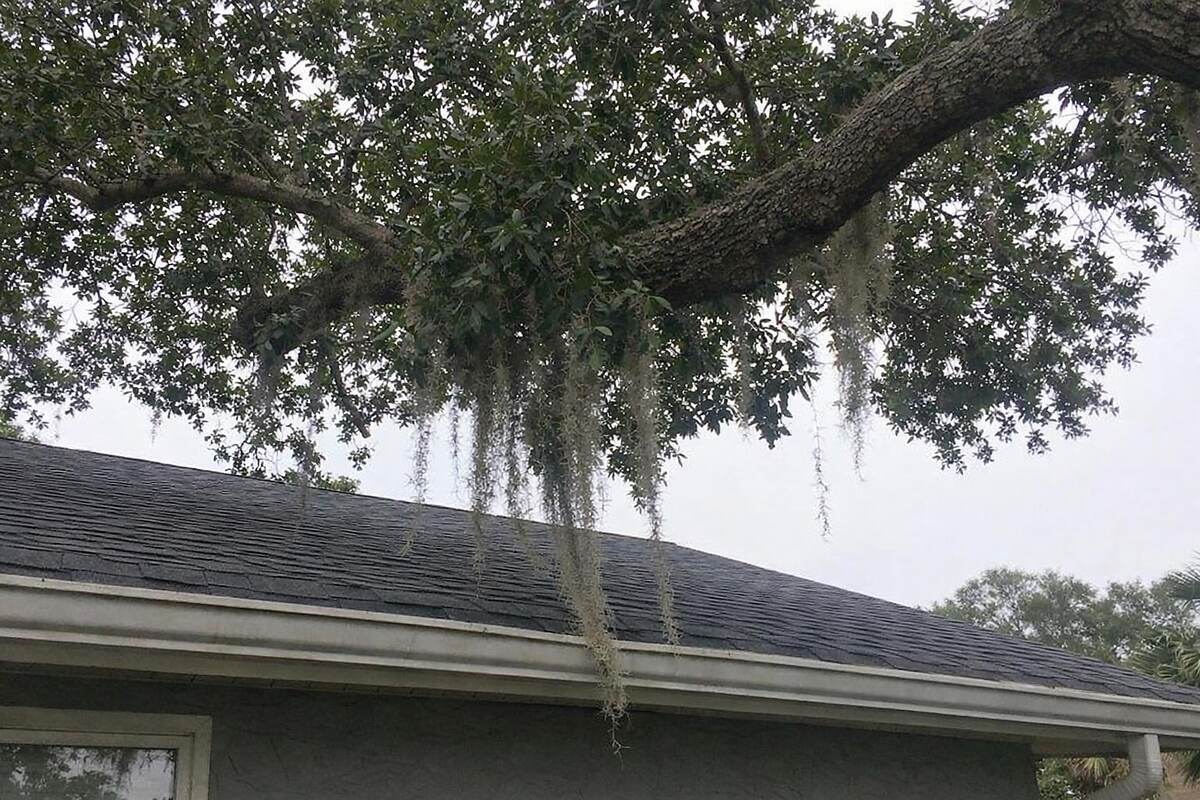
The single biggest change in this area since the houses were built is the planting. Subdivisions laid out in the 1990s and early 2000s were landscaped with young oaks, and thirty years of Northeast Florida growing season later a good share of those trees rest on fascia boards and hang over roof planes. A house that never had a rodent problem becomes one the season a limb reaches the eave.
UF/IFAS describes the roof rat as arboreal, traveling along branches, wires and palm trunks, with a working range of roughly 150 yards from its den. On a subdivision street that takes in a block of back yards plus whatever tree line or pond edge backs the development, so the supply is neighborhood-wide and the openings on your own house are the part that decides the outcome.
The cheapest half of the fix belongs to a tree crew rather than a pest contractor: limbs cut clear of the roof, fascia and any fence line that leads to them, and dead fronds taken out of palm crowns. An inspection that lists the specific limbs has handed over the inexpensive part, and the exclusion page covers the rest.
The creek, the ponds and the ground species
Julington Creek itself is a broad tidal creek running into the St. Johns River, and the area is threaded with retention ponds, swales and wooded edges. All of that is Norway rat habitat: they burrow into banks, swale sides and dense ground cover, and they enter buildings at floor level rather than from the canopy.
The sign is different from a roof rat's and worth recognizing before calling. Activity in a garage or a utility room rather than overhead, droppings along a wall at floor level, smooth runs worn through ground cover at the back of a lot, gnawing at the bottom corner of a garage door, and burrow mouths in a pond bank or against a shed. Houses with docks on the creek see it most.
Tidal water rises, and Jacksonville's flood exposure is river-driven as much as coastal. When a burrow floods the animals in it move to the nearest dry structure. The CDC ties rises in leptospirosis cases to hurricanes and flooding, names rodents among the animals carrying it, and recommends rodent control as part of the response afterward. Ground-level work is described on the Norway rat page.
What a slab subdivision house leaves open
Most houses here are slab-on-grade block or frame, single and two-story, built from the 1990s onward. No crawl space means no perimeter footage to measure, which keeps these jobs at the cheaper end of the city, and it concentrates everything at the roofline and at grade.
The list repeats street to street. Soffit returns at the boxed eave corners, with two-story houses often carrying four or more plus low-roof sections over a garage or a bay. Gable and off-ridge vent screens that have aged. The roof-to-wall junction where a lower roof plane meets a wall above it. The air conditioning line sleeve. The garage door seal at its bottom corners. On any house that has had a roof replaced, the new drip edge and fascia line is worth checking specifically, because replacement roofing sometimes leaves a gap that was not there before.
Roofs here are predominantly asphalt shingle, with metal on some later stock. Barrel and concrete tile is rare in this area compared with the coastal subdivisions, so the open eave course that dominates a Ponte Vedra job seldom comes up.
What We Handle in Julington Creek
The work available here covers the canopy half and the creek half of the problem.
- Roof rat removal: trapping the attic runs after the soffit returns and vents are closed, which most calls here start as
- Rodent exclusion: returns, vents, junctions, the line sleeve and the garage seal, closed in steel and sheet metal
- Norway rat removal: burrow collapsing and ground-level trapping on creek, pond and swale lots
- Rodent inspection: the free ladder and attic walk that produces the opening list and the quote
- Attic cleanup: droppings, nesting material and soiled insulation out, then the space treated
- Insulation replacement: the failed bays measured in square feet once the roofline is closed
- Dead rodent removal: locating a carcass behind a smell, most often after a bait-only attempt
A Typical Julington Creek Job
The situation: A 1997 two-story frame and block house in a subdivision off Race Track Road, slab, shingle roof, a planted live oak now resting on the garage fascia and a retention pond two lots away. Running above the upstairs landing for a couple of weeks of evenings, nothing seen, and an owner who has had a monthly pest plan running for two years and has never had the roofline looked at.
What gets done: The ladder walk finds three soffit returns open at boxed corners, two of them at garage roof level directly under the oak, a torn off-ridge vent screen and an unsealed line sleeve behind the condenser. The attic shows droppings along two runs from the garage eave toward the landing ceiling and flattened insulation in three bays. The pond-side fence line is clean, so no ground-level work is quoted. The vent, the sleeve and two returns are closed in quarter-inch cloth and sheet metal, traps go on the marked runs and stay a week, and the third return closes at the second visit once the sign stops.
How it turns out: Three visits across about four weeks, with sealing, trapping and three bays of insulation on separate lines and the total in the lower half of the published exclusion band. The landing goes quiet after the first trap check. The oak limb comes back that winter, and the monthly plan is canceled because the building is closed.
What This Costs in Julington Creek
A slab subdivision house is the least expensive shape of this job in the region, because the work is a list of discrete openings rather than a measured perimeter. The reference bands below are national guidance plus the nearest Florida metro with published figures.
| Work | Typical band | Source |
|---|---|---|
| Trapping and removal | $250 to $1,200 | HomeGuide 2026, national |
| Full-home exclusion | $500 to $2,500 | HomeGuide 2026, national |
| Exclusion, Tampa | $550 to $1,642 | Angi, nearest Florida metro with published figures |
| Attic cleanup and decontamination | $600 to $2,500 | HomeGuide 2026, national |
| Insulation removal and replacement | $2.50 to $5.50 per sq ft | HomeGuide 2026, national |
What adds to a Julington Creek quote is a second story, which means more ladder positions and more returns, and a creek or pond lot, which adds ground-level closures and burrow work. What keeps it down is slab construction and a tall attic with a wide hatch, which makes both the inspection and any cleanup quicker than the same work in a historic house closer to downtown. Every figure is confirmed at the free visit.
The order an attic job runs in
Five stages, from inspection through to cleanup.
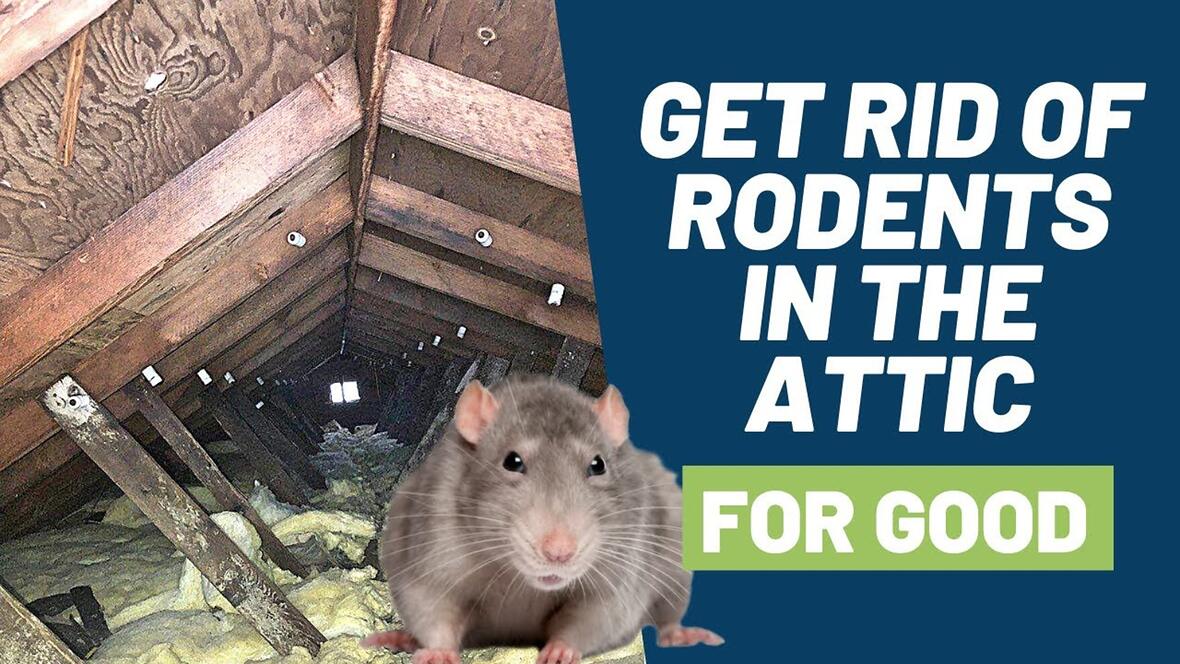
Video: 5 Step Solution to Get Rid of Rodents in Your Attic, from Atticare Construction.
Common Questions in Julington Creek
What callers from this area ask first.
The canopy and the monthly plan
We have had a pest plan for years. Why is there a rat in the attic?
Because a monthly plan controls insects and treats the animals that come in; it does nothing about the opening they came through. That is the most consistent complaint in this niche, and the fix is a one-time sealing scope listed opening by opening with the material named, quoted separately from any recurring service. Once the soffit returns, the vents and the line sleeve are closed to the quarter-inch standard UF/IFAS sets, the attic has no supply. Plenty of households here end the recurring plan afterward, which usually pays for the sealing inside a couple of years.
How far back should the oak limbs be cut?
Clear of the roof, the fascia and any fence line that leads to them, which in practice is a few feet of open air rather than a precise number. No figure is offered because a roof rat climbs and jumps, so clearance reduces the route without making a roof unreachable. UF/IFAS puts its working range at about 150 yards from the den, meaning the animals are in the neighborhood regardless. A tree crew doing this once costs a fraction of a second rodent job, and it is the one piece of the work a homeowner can arrange independently.
Water and the ground
We have a dock on the creek. Does that matter?
It adds harborage at ground level. Dock structures, bulkheads and the bank vegetation along a tidal creek give Norway rats cover and burrowing ground right up to the property, and they come in at floor level rather than from the canopy. The useful news is that a slab house has very few ways in down there: the garage door seal, service penetrations at grade and any gap where a patio slab meets the wall. Closing those three, collapsing burrows and cutting the bank cover back from the lawn edge handles most of it.
Is it safe to do the sealing before the trapping?
Yes, in the order a competent contractor uses. Every opening with no traffic on it gets closed first, which stops new arrivals immediately, while the two or three runs still in use stay open with traps on them, and those close once the activity stops. Sealing a house completely with animals still inside is what produces a carcass in a wall, and the EPA's timeline for anticoagulant baits, four days to two weeks after feeding begins, is why bait makes that outcome far more likely. Whoever attends should be able to say which openings are staying open and why.
Still have a question? Call (904) 659-6044 and ask.
Nearby Areas We Serve
The contractors dispatched to Julington Creek cover the neighboring St. Johns County communities as well, and the whole Northeast Florida region is inside the service area.
Book a Free Inspection in Julington Creek
Say which room the noise is over and whether the lot backs onto the creek or a pond. The ladder walk and the attic check cost nothing.