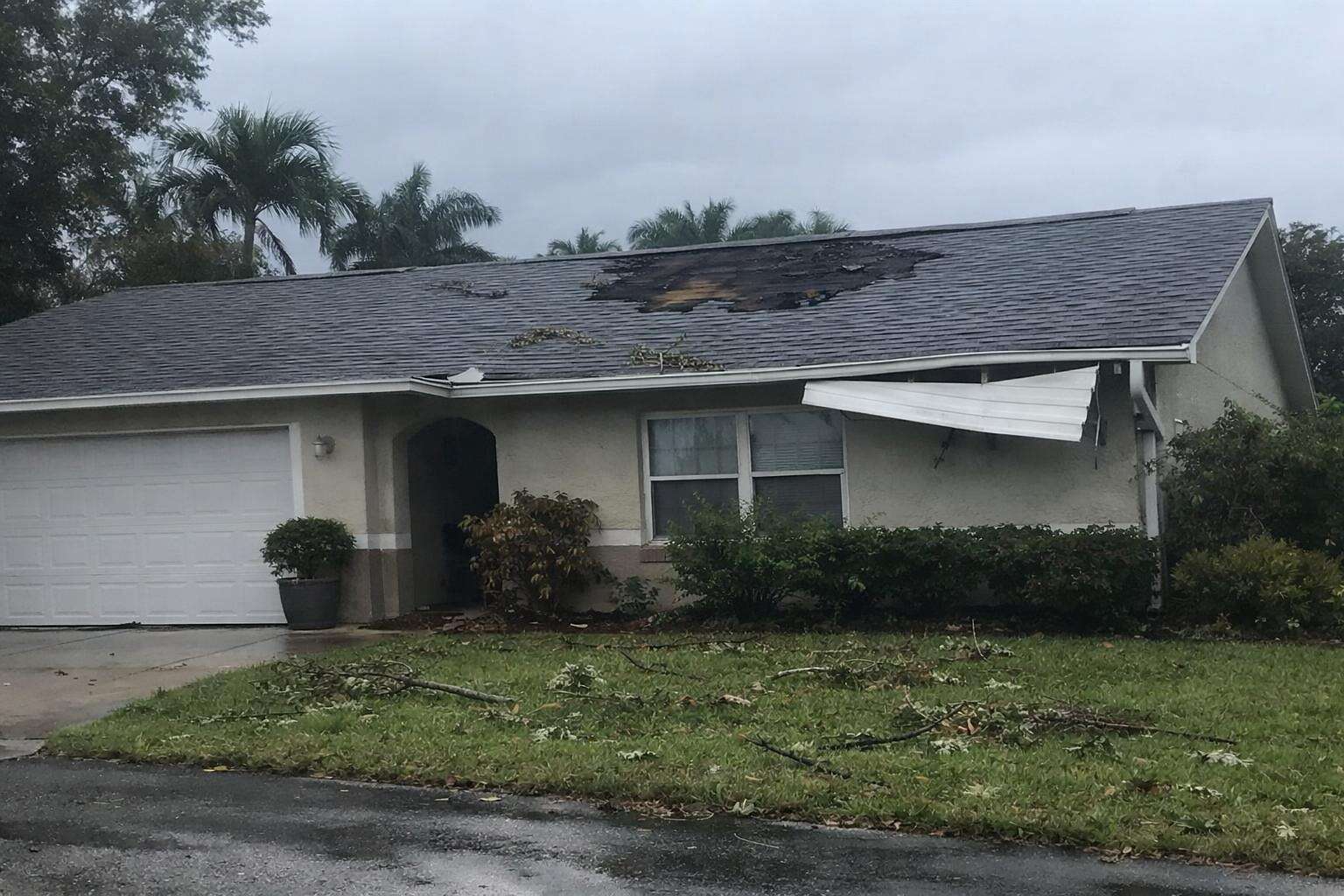
Post-Storm Rodent Inspection in Jacksonville
A storm changes two things at once. It opens new ways into the building, and it floods the burrows along the river and the creeks, which sends the animals living in them toward the nearest dry structure.
- Roofline and crawl space both
- Displaced ground rats included
- Free, and written up
What a post-storm rodent inspection covers in Jacksonville
The visit is a normal rodent inspection with storm damage added to the list, and the additions are what make it worth booking separately. The contractor walks the roofline for lifted, torn and missing material, checks the soffit and fascia line where wind has worked at the edges, goes through the attic looking for daylight and for water staining, crawls the foundation perimeter where the house has a crawl space, and reads the yard for new harborage and fresh burrowing.
Two things get looked at that a routine inspection would skip. Debris: a pile of storm litter, cut limbs or stacked fronds against a wall is harborage that was not there a month ago. And water lines: where flooding reached a crawl space or a garage, the material it soaked is both a rodent attractant and an insulation problem.
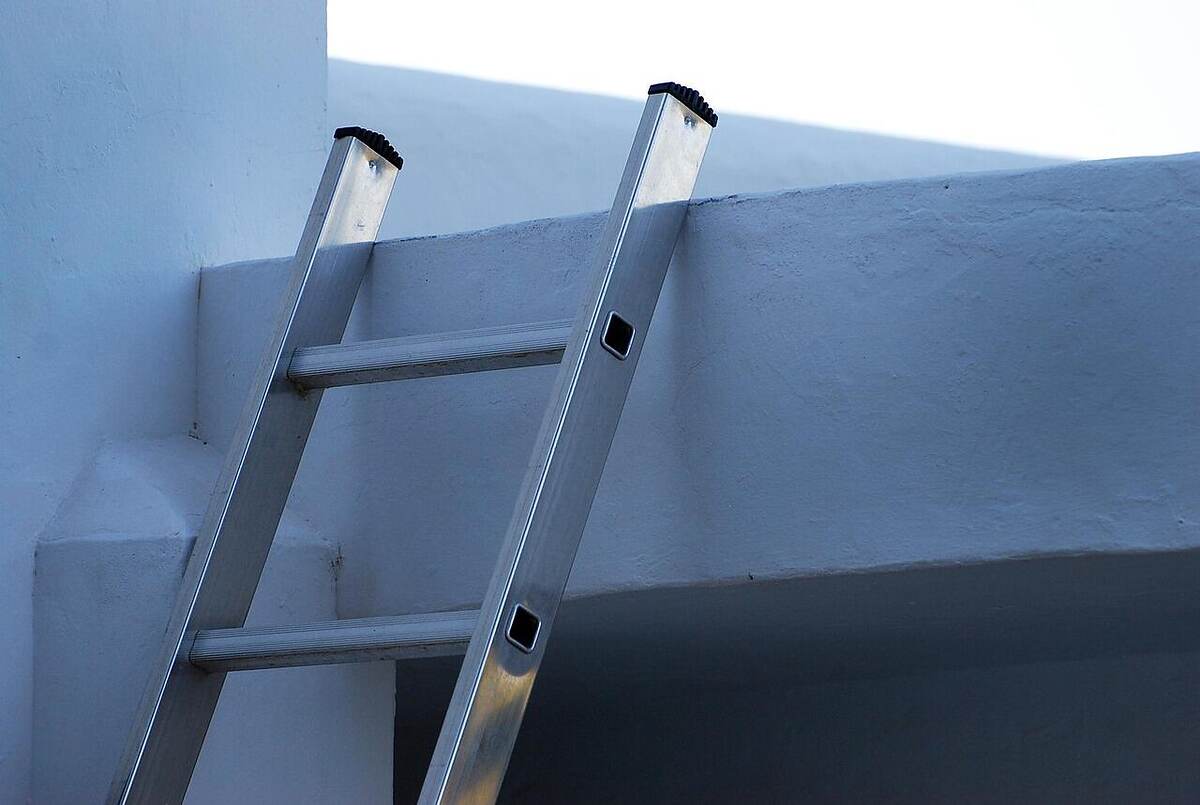
- The roofline walked from a ladder for lifted shingles, displaced tile, torn soffit, pulled fascia and gaps at roof-to-wall junctions
- The attic checked for daylight, fresh water staining, wet insulation and any new droppings or runs
- The crawl space checked for pushed or perished vent screens, displaced skirting, water lines and fresh burrow mouths at the piers
- The garage checked at the door seals and the corners, which is where ground rats enter after high water
- The yard read for new burrowing along the foundation, the seawall or the bank, and for debris harborage
- Findings written up with photographs, and sealing quoted opening by opening
Where the walk turns up activity rather than only openings, the trapping and sealing run as a normal job, described on the exclusion page and the Norway rat page.
Book the free inspection
Say what you hear, where in the house, and how long it has been going on. A dispatcher lines up the nearest certified contractor for a free roofline, attic and crawl-space inspection.
Why a Jacksonville storm produces rodent calls
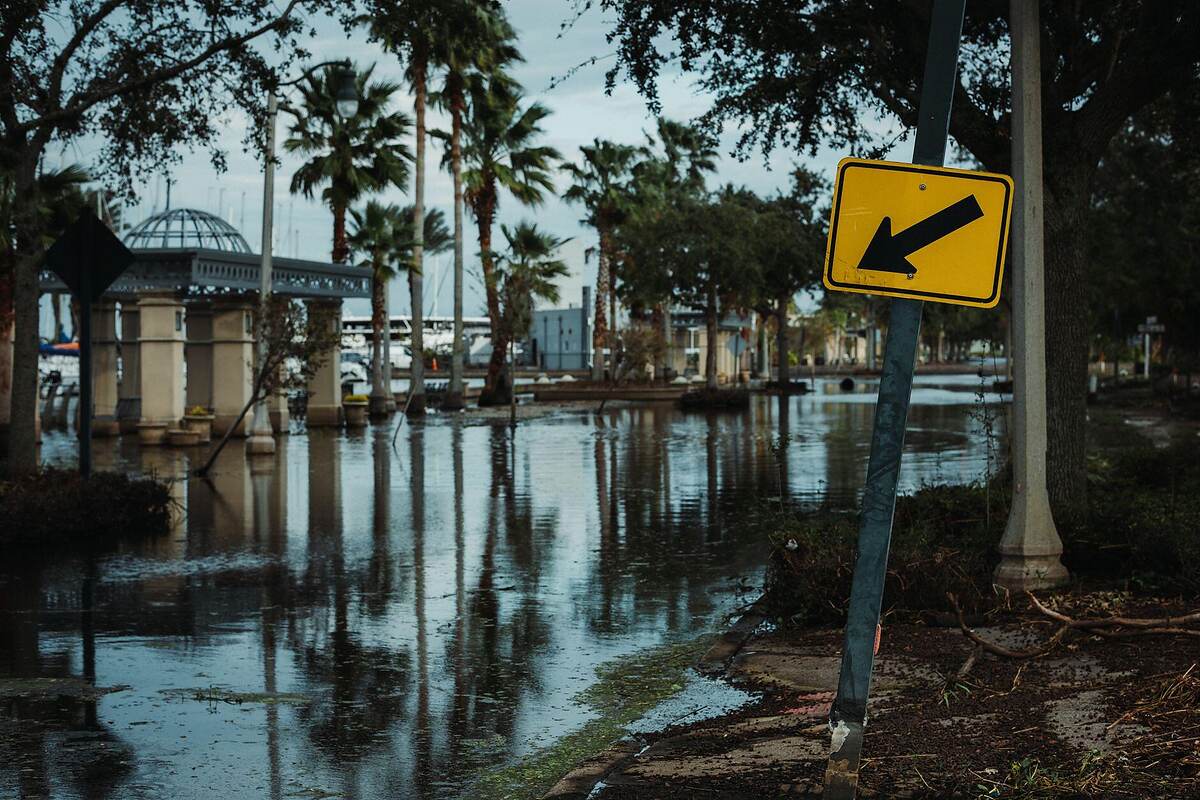
This city's flood exposure is river-driven as much as coastal, which is the part most Florida storm advice misses. The St. Johns River runs through the middle of Jacksonville and tidal creeks reach into almost every district, so a storm that pushes water up the river affects neighborhoods miles from the ocean. Hurricane Irma in September 2017 produced record St. Johns River flooding in Riverside, San Marco and downtown, and those are districts full of pier-and-beam houses with open crawl spaces.
Norway rats live in burrows along banks, seawalls, foundations and landscaping, and a flooded burrow is uninhabitable. The animals move to the nearest dry space, which is a crawl space, a garage, a wall void or an attic. That is the mechanism, and it is all there is to say, because no reliable statistic exists for the scale of it; anyone publishing a percentage of post-hurricane rodent increase has made it up.
What is sourced is the health side and the building side. The CDC links rises in leptospirosis cases to hurricanes and flooding, names rodents among the animals carrying it, and recommends rodent control as part of what a household does after a flood. And the Department of Energy documents storms breaking and displacing roof tiles, with one broken tile cascading into others, which is the roofline half of the same story.
When to have the walk done after a storm
After the roof has been made safe and before the insurance and repair work closes out, which in practice is the week or two when everything else is being assessed anyway. The reason for that window is that a roofer patching a torn soffit will close the visible damage and leave the quarter-inch gaps either side of it, because rodent openings are not what they are looking at.
There is a second reason not to wait. The animals displaced by flooding move within days, and an attic or crawl space that has just acquired a population is far cheaper to deal with before a breeding cycle runs. UF/IFAS puts roof rat gestation at 21 to 23 days with litters of five to eight and four or five litters a year, and sexual maturity at three to four months, so a month of delay is a materially different job.
Where the storm was wind with no flooding, the priority is the roofline and the walk can wait until the repairs are scheduled. Where water reached the crawl space, the garage or the yard, the ground-level check is the urgent half, because that is where the displaced animals are arriving.
What post-storm work costs in Jacksonville
The inspection is free, which matters in a month when a household is already counting repair costs. What follows it is priced from the published bands below, confirmed at the visit.
| Work | Typical band | Source |
|---|---|---|
| Standalone inspection elsewhere in the market | $0 to $175, Florida average about $162 | HomeGuide 2026 |
| Sealing the openings a storm opened | $500 to $2,500 for a full home | HomeGuide 2026, national |
| Trapping and removal of displaced animals | $250 to $1,200 | HomeGuide 2026, national |
| Cleanup where flooding or nesting soiled the material | $600 to $2,500 | HomeGuide 2026, national |
| Insulation removal and replacement | $2.50 to $5.50 per sq ft | HomeGuide 2026, national |
One coverage point worth raising with an adjuster rather than with a contractor: rodent damage is typically excluded from a homeowner policy, while storm damage to a roof usually is not. Where a wind event opened the route, the dated inspection report is what establishes the sequence, and that document is described on the clearance letter page.
Where insulation was wet by flooding rather than by rodents, the Department of Energy's point still applies: wet insulation performs poorly and compressed insulation does not deliver its rated R-value, so the measured area comes out either way.
What storm damage looks like at the roofline
Wind works at edges, and the edges are where rodents get in, so the overlap between storm damage and rodent openings is almost complete. A walk from a ladder is looking for a specific list.
- Soffit panels pushed up or pulled out of the channel at the fascia, which leaves a continuous gap into the eave
- Fascia boards lifted at the nail line, usually at a corner or where a gutter hanger took the load
- Lifted or missing shingles at the ridge and the rake edges, and exposed decking at the roof-to-wall junctions
- Gable and off-ridge vent screens torn or pushed in, which is the most common single finding after a wind event
- Displaced barrel or concrete tile on the few local roofs laid in it, which opens the eave course and leaves a void the length of the eave until the metal closure is put back
- Drip edge and valley metal pulled loose, and any addition junction where two roof planes meet differently than they did
The practical advice is to put the rodent walk and the roof repair in contact with each other. A roofer who knows the quarter-inch standard is aiming at will close the gaps at the same time as the damage, and that is the cheapest version of this entire job.
The districts where this comes up after high water
River flooding concentrates the problem in specific parts of Jacksonville. Riverside, Avondale and San Marco took record river levels in September 2017, and they are exactly the districts built from the 1900s to the 1930s on brick piers with open crawl spaces, which means flooded ground and an open structure in the same place. Those houses get the full ground-level walk: vents, skirting, the sill gap and the pier line.
Downtown and the riverfront commercial blocks see the same water with older masonry and basements behind it, and the displaced animals there are overwhelmingly Norway rats. Arlington and the Westside, with tidal creeks running through them and 1950s ranches on mixed slab and crawl foundations, sit in between.
The Beaches and the coastal towns take the wind side rather than the river side. Most of the stock in Jacksonville Beach, Atlantic Beach and Neptune Beach dates from the 1970s through the 1990s, concrete block on slab, so the post-storm work there is a roofline and garage-door job rather than a crawl-space one. Where the roof is metal, which is common at the Beaches, the failure point is the ridge and edge flashing rather than the field of the roof.
What to check on whoever inspects after a storm
Storm season attracts people who were doing something else last month, which makes the credential question sharper than usual.
- The FDACS credential and its number, confirmed on the FDACS license search. Chapter 482 of the Florida Statutes puts a floor under this work: the Limited Commercial Wildlife Management certification before anyone traps rats or mice in a structure for pay, and a pest control business license with a certified operator before any rodenticide goes down.
- Whether the crawl space is being entered as well as the attic. After river flooding the ground level is the half that matters.
- Whether the report is dated and photographed, which is what an adjuster will want if the sequence of events is ever in question.
- Whether the sealing is quoted opening by opening with materials named, apart from any trapping and any cleanup.
- Whether anyone is proposing bait. After a flood, with animals moving through wall voids and crawl spaces, bait is the fastest route to a carcass somewhere awkward.
One more thing worth doing yourself, at no cost: photograph the damage before the repairs, including the soffit line and the crawl-space vents. Those photographs cost nothing and they are the only record of the condition that existed between the storm and the repair.
The services that usually run with this one
A Jacksonville rodent job is a sequence of separate lines, and these pages cover the steps on either side of this one.
- Rodent Exclusion: Roofline and crawl-space sealing to the quarter-inch standard in steel and sheet metal.
- Norway Rat Removal: Ground-level burrows along foundations, seawalls and crawl spaces, closed and trapped.
- Rodent Clearance Letters: A dated inspection report for closings, leases, HOA files and insurance.
Who attends and which FDACS certificate to look up is set out on the about page. Hours, the downtown address and the full service area are on the contact page.
How a post-storm walk runs in Jacksonville
Five steps, with the ground level treated as seriously as the roof.
-
Call once the roof is safe
Say what the storm did, whether water reached the crawl space or the garage, and what you have heard or seen since.
-
Walk the roofline
Soffit, fascia, vents, ridge and every roof-to-wall junction checked from a ladder for the edges wind has opened.
-
Walk the ground level
Crawl-space vents, skirting, the sill gap, garage door seals, and the yard read for fresh burrowing and debris harborage.
-
Report with photographs
Findings written up and dated, with the openings listed and the sealing quoted separately from any trapping or cleanup.
-
Close and trap
Quiet openings sealed first, traps on the active runs, last openings closed once the activity stops, and wet material dealt with.
What this walk catches that a repair crew will not
Three reasons a rodent walk belongs alongside the storm repairs.
-
The quarter inch beside the damage
A roofer closes the torn soffit and leaves the gaps either side of it, because rodent openings are not the job they were called for. UF/IFAS puts the rat-proofing standard at a quarter inch, and a wind event produces exactly that kind of edge at the fascia line, the vent screens and the roof-to-wall junctions. Having the rodent walk and the roof repair in contact with each other is the cheapest version of this whole job.
Rat-proofing standard is a quarter-inch opening, UF/IFAS Extension
-
The ground level, which is where the animals went
Jacksonville floods from the river as much as from the ocean, and a flooded burrow empties into the nearest dry structure: a crawl space, a garage, a wall void. Riverside, Avondale, San Marco and downtown took record river levels in September 2017, and they are the districts built on brick piers with open crawl spaces. The walk enters the crawl space rather than looking into it, and the yard gets read for fresh burrowing.
CDC ties leptospirosis increases to hurricanes and floods, names rodents among the reservoirs, and recommends rodent control after flooding
-
A dated record while the sequence still matters
Rodent damage is usually excluded from a homeowner policy and storm damage to a roof usually is not, so when a wind event opened the route the order of events is worth documenting. The report is dated, photographed and specific about which openings existed and which were closed. The Department of Energy documents storms breaking and displacing roof tiles, one cascading into others, which is the roofline half of the same record.
Standalone inspections run $0 to $175 nationally, HomeGuide 2026; here the walk is free
What Reddit Says About Rodents After a Storm
The post-storm threads in r/florida and r/pestcontrol follow a pattern that is easy to recognize once you have seen it: a homeowner describing an infestation that started within a few weeks of a hurricane, surprised at the connection, and a reply explaining that the flooding moved the animals rather than creating them. One thread ties an infestation directly to Irma's aftermath, and the mechanism people describe is always the same, which is burrows underwater and animals looking for somewhere dry.
The practical advice in those threads is about sequencing the trades. Several posters report paying for a roof repair, then a rodent job a month later that involved sealing the same edges the roofer had just worked on. The recommendation is to get the rodent walk done while the roof repair is still scheduled rather than after it closes out.
The insurance theme is the other half. People describe rodent damage being excluded and storm damage being covered, and the difficulty of establishing which came first once the repairs are finished and nobody photographed anything. The advice is to take your own photographs of the soffit line, the vents and the crawl space before any work happens, which costs nothing.
Two warnings repeat. Bait put down after a flood, which produces a carcass in a wall void while the household is already dealing with storm damage. And debris piles left against the house through the cleanup, which the threads treat as the most avoidable harborage there is. Worth clearing the stacked limbs and fronds away from the foundation before they become a reason for a second call.
A typical post-storm call in San Marco after high river water
The situation: A 1926 masonry house in San Marco, two blocks from the river, raised on piers with a vented crawl space. A tropical system pushed river water across the street and into the crawl space to a depth of several inches, the water went down over two days, and about a week later the owner started hearing movement under the hall floor in the evenings and found a chewed bag of birdseed in the garage. The roof took minor damage at one rake edge and the roofer is booked for the following week.
What gets done: The crawl-space walk finds a clear water line on the piers, two vent screens pushed out of their frames by debris, a section of skirting displaced at the rear, soaked insulation between the floor joists over the hall, and fresh burrow mouths in the bank at the side of the lot above the old water line. Droppings under the floor read as Norway rat. The roofline walk adds a lifted soffit edge at the rake where the wind worked and a torn gable vent screen, which go on the list for the roofer to close properly rather than cover. Vents and skirting are screened in steel that day, traps go along the crawl-space sill, and the soaked insulation between the joists is measured for removal.
How it turns out: Two visits and a return check, with the sealing, the trapping and the measured insulation work on three separate lines, and the dated report and photographs going into the owner's file alongside the storm claim. The floor noise stops inside the first week. The roofer closes the soffit edge to the quarter-inch standard because the list reached him before the repair did.
Questions after a storm or river flooding
What callers ask in the weeks after high water.
Timing and what changed
Why did the rats show up weeks after the storm rather than during it?
Because the flooding moved them and then the building gave them somewhere to stay. Burrows along banks, seawalls and foundations are uninhabitable underwater, so the animals relocate to the nearest dry space within days, and what you hear a week or two later is a population settling in rather than passing through. UF/IFAS puts roof rat gestation at 21 to 23 days with litters of five to eight, so the gap between arriving and being obvious is short. There is no published figure for how much rodent activity a hurricane produces, and any site quoting one has invented it.
Should I wait until the roof is repaired before having the inspection?
Book it while the repair is still scheduled, which is the opposite of what most people do. A roofer closes the damage they were called for and leaves the quarter-inch gaps beside it, because rodent openings are not what they are assessing. Having the opening list in hand before the repair means the soffit edge, the vent screens and the roof-to-wall junctions get closed once rather than twice. Where water reached the crawl space or the garage, that half of the walk is the urgent one and does not depend on the roof at all.
Damage and coverage
Does the insurance cover any of this?
That is a question for the adjuster rather than the contractor, and the honest general position is that rodent damage is usually excluded while storm damage to a roof usually is not. Where a wind event opened the route the sequence matters, which is why the inspection report is dated and photographed and why taking your own photographs of the soffit line, the vents and the crawl space before any repair is worth the five minutes. Where flooding soaked the insulation, the material comes out regardless: the Department of Energy is clear that wet insulation performs poorly.
The yard is full of cut limbs and fronds. Does that matter?
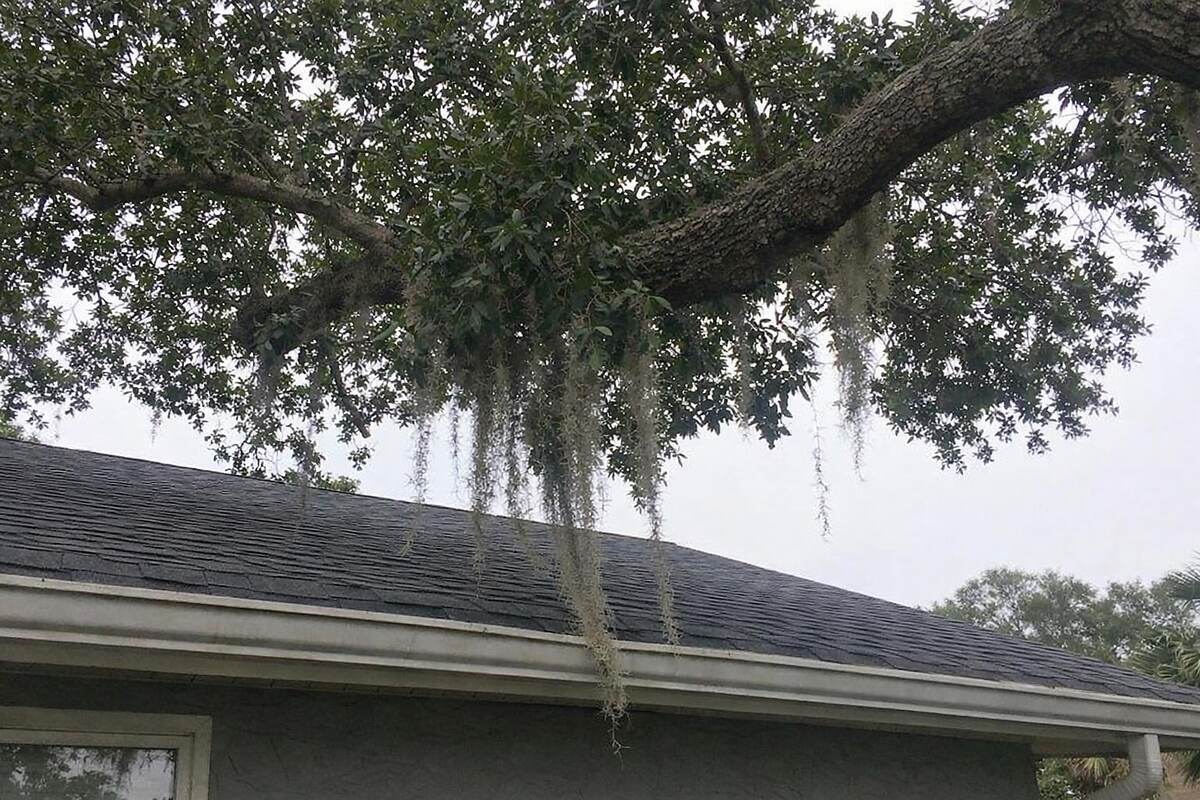
More than most people expect, and it is the easiest thing on the list to fix for nothing. A debris pile against a wall is harborage that appeared in a week, and stacked fronds are particularly good cover for a ground rat working toward a foundation. Moving the piles away from the house while the cleanup is happening removes a reason for the next call. The same applies to the limbs still on the roof: a roof rat travels about 150 yards from its den according to UF/IFAS, and a storm-dropped limb resting on the eave is a bridge rather than a mess.
Still have a question? Call (904) 659-6044 and ask.
Book the post-storm walk
Say what the storm did and whether water reached the crawl space. The walk costs nothing and the report is dated and photographed.