Rodent Removal in Mandarin
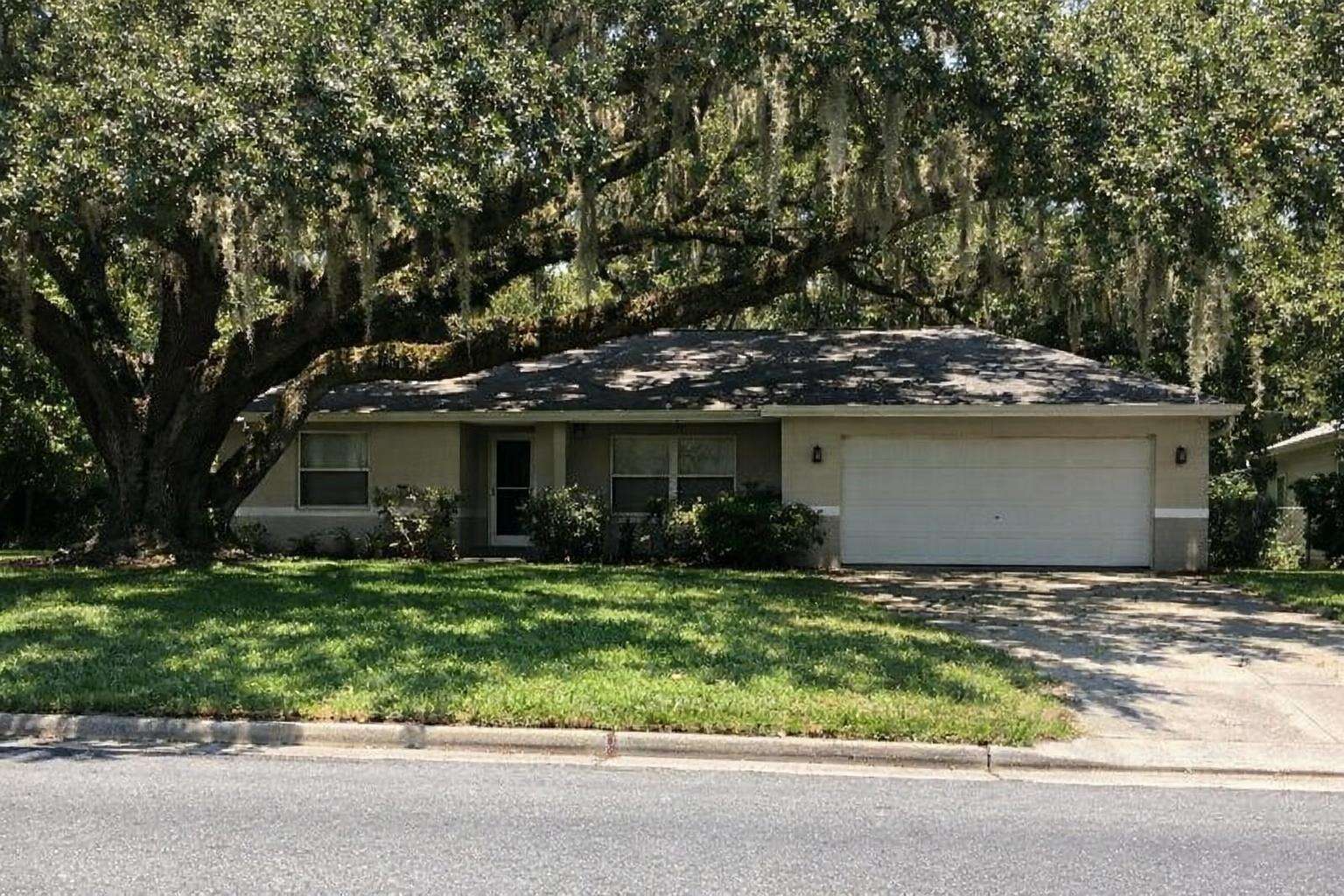
Mandarin has the two things a roof rat wants in the same yard: old live oaks reaching the roofline and backyard citrus. Most jobs here are roofline jobs, and the sealing is what gives the trapping an end date.
- Soffit and gable vent work
- Citrus and canopy assessed
- Free inspection, itemized quote
Citrus, oaks and the roof rat
Mandarin was a citrus district long before it was a suburb, and backyard orange and grapefruit trees are still common on the older lots along the river and the creeks. The roof rat is known locally as the palm rat or the citrus rat for a reason: hollowed fruit on the ground under a tree, with the skin left as a shell, is one of the most reliable signs there is, and it usually shows up before anybody hears anything in the ceiling.
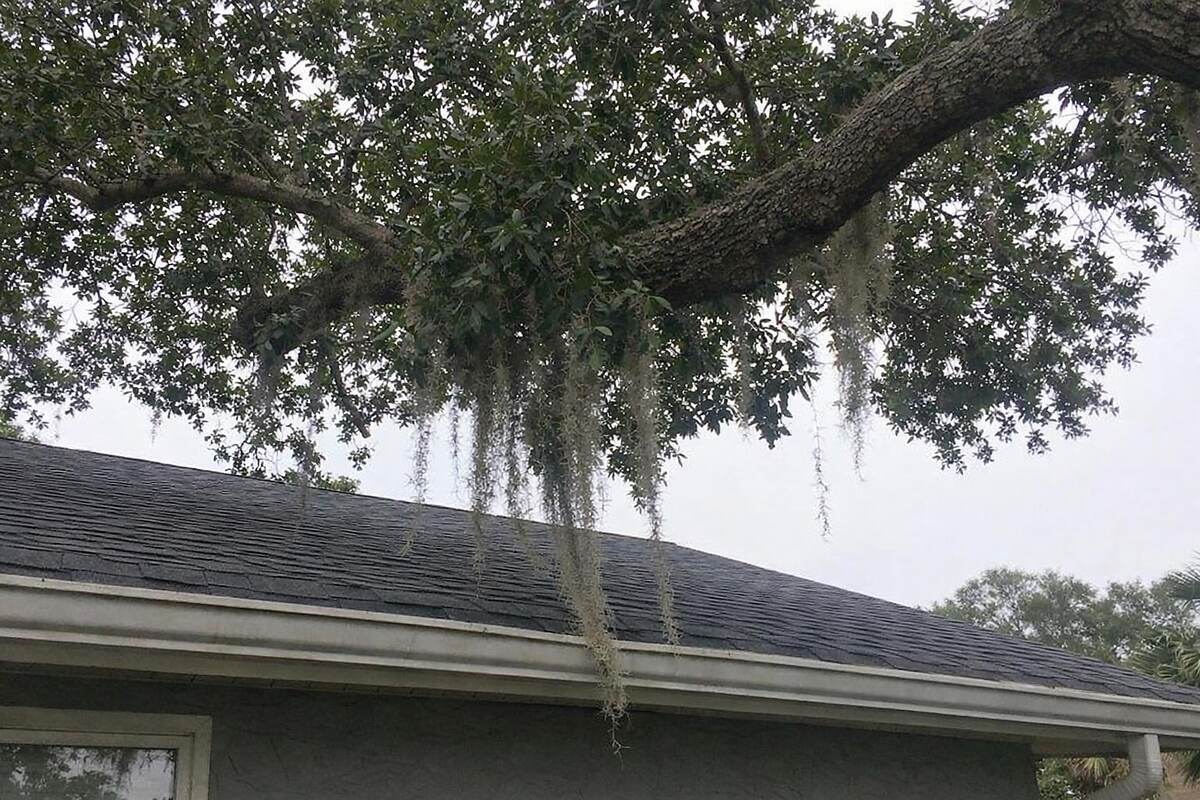
UF/IFAS describes the animal as arboreal, traveling along branches, wires and palm trunks, and puts its working range at roughly 150 yards from the den. On a Mandarin lot that range covers several neighboring yards, which is why a neighbor's unmanaged tree keeps pressure on a sealed house. The live oaks are the other half: a mature oak over a single-story roof is a bridge with no gap to cross.
Keeping the trees is the right call. The useful response is to treat the canopy as part of the building: limbs cut back from the roofline, dead fronds cleared from palm crowns, and fallen fruit picked up rather than left. Those are tree-crew and weekend jobs, and an inspection that lists them is handing over the cheapest part of the fix.
Book a free inspection in Mandarin
Give the street and what you are hearing. The dispatcher lines up the contractor who covers this part of the city for a free roofline and crawl-space inspection.
Slab houses, and where they let a rat in
Most of Mandarin is 1980s through 2000s slab-on-grade block or frame, with newer construction further south, and a smaller number of older riverfront and creekside houses of every era. A slab house has no crawl space, which removes half of the Jacksonville rodent problem and concentrates the rest at the roofline.
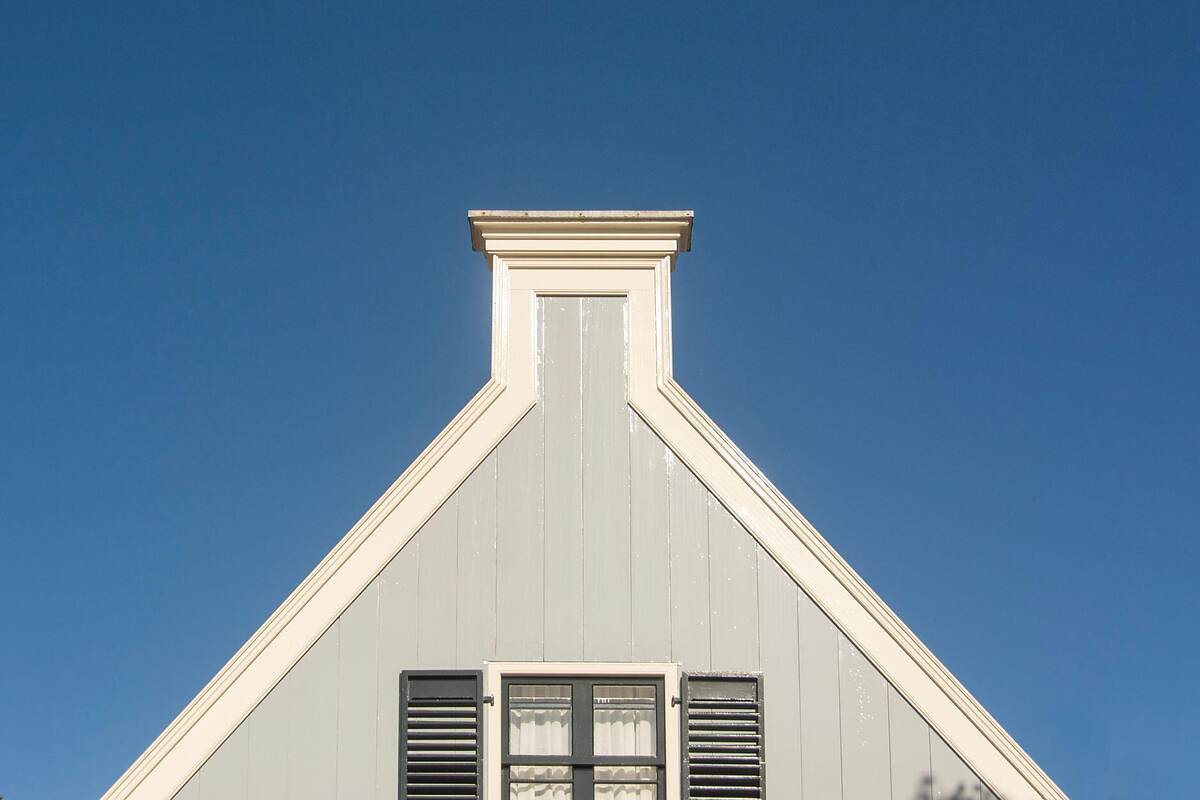
The list is short and consistent across the neighborhood. Soffit returns, which is the boxed corner where the eave turns back into the wall and the single most common entry on a Florida slab house. Gable and off-ridge vents with screens that have aged or been pushed. The roof-to-wall junction, particularly where a later addition meets the original roof plane. The sleeve where the air conditioning line set passes through the wall. And the garage door seal, worn through at a bottom corner.
Roofs here are mostly asphalt shingle, with metal on some newer stock. Barrel and concrete tile is uncommon in Mandarin compared with the coastal subdivisions, and where it does appear the open first course at the eave needs a manufactured metal closure rather than patching. Every one of those openings is measured and listed on the quote, which is covered on the exclusion page.
The creeks and the river end of Mandarin
Mandarin runs along the St. Johns River and is cut by creeks, with Julington Creek at its southern edge, and the properties near that water get the other species. Norway rats burrow along banks, seawalls, docks and dense ground cover, and they come in at floor level: the garage, a utility room, a service penetration at grade. A slab house is not immune to them, it just has fewer ways in.
On those lots the walk starts outside. Burrow mouths in the bank, runs worn through ground cover, voids behind a bulkhead and cover under a dock all get read before anything else, because they are the source. Collapsing burrows, cutting the ground cover back from the wall and moving firewood off the foundation is half the work, and closing the garage seal and the penetrations at grade is the other half.
High water matters here too. When the river rises, flooded burrows empty into the nearest dry structures, and the CDC ties rises in leptospirosis cases to hurricanes and flooding, names rodents among the carriers and recommends rodent control as part of the response. After any flooding the perimeter is worth walking again rather than assumed.
What the free inspection covers in Mandarin
On a slab house the walk is mostly a ladder and a flashlight, and it is methodical rather than quick. Every elevation gets a ladder position for the soffit returns, the fascia line, the gable and off-ridge vents and the roof-to-wall junctions; the attic is entered for droppings, rub marks, flattened insulation and daylight; the garage is checked at the door seals and the corners; and the air conditioning line sleeve and any other wall penetration gets looked at specifically.
Then the yard, which on a Mandarin lot is more than a formality. Limbs over the roof and where they touch, palm crowns holding dead fronds, citrus trees and whether there is fallen fruit under them, firewood or debris against a wall, and dense ground cover along the lot line. On a creekside property the bank, the dock and any bulkhead are added to the list.
The findings come back as an opening-by-opening list with the closure material named for each, and the quote separates trapping, sealing and any attic cleanup. The inspection page describes the walk in full, and roof rat removal covers the trapping.

Mice, squirrels, or something else
How the signs differ between the two.
Video: Signs of Mice vs. Squirrels In Your Attic, from Skedaddle Humane Wildlife Control.
What makes a Mandarin job hold
Three things that decide whether the ceiling stays quiet.
-
Every soffit return on the roof
The boxed corner where an eave turns back into the wall is the most common entry on a Florida slab house, and a typical Mandarin roof has several. A job that closes the one with droppings under it and skips the rest is the reason people describe being back in the same position a season later. The quote lists each return with the closure material, so the work can be checked from the ground afterward with a pair of binoculars.
Rat-proofing standard is a quarter-inch opening, UF/IFAS Extension
-
The yard handed back in writing
Limbs touching the roof, palm crowns with dead fronds and fallen citrus are noted on the report and left to a tree crew or a Saturday morning, because they cost a fraction of a pest visit and they are what the sealing has to hold against. A roof rat works branches and wires within about 150 yards of its den, so reducing the routes is as useful as closing the openings they arrive at.
Roof rats are arboreal and range about 150 yards from the den, UF/IFAS
-
Traps left long enough to work
Snap traps go on the marked runs rather than spaced along the attic at random, and they stay at least a week, because UF/IFAS notes roof rats are wary of new objects and a trap moved after two days has never had a chance. Every carcass comes out by hand on the scheduled check, which is also the reason bait has no place in the attic: UF/IFAS points out that trapping lowers the risk of a poisoned animal dying inside the building.
Leave traps in place at least a week; roof rats are wary of new objects, UF/IFAS
A Mandarin job from the first phone call
The situation: A 1994 single-story block house off Loretto Road, slab, asphalt shingle, two big live oaks over the rear roof and an old grapefruit tree at the back of the lot. Running and scratching above the main bedroom after dark for ten days, hollowed fruit on the ground under the grapefruit tree, and a family that has moved a child into the front bedroom to get some sleep.
What gets done: The ladder walk finds three soffit returns open at the boxed corners, a gable vent screen torn at one edge, and the air conditioning line sleeve unsealed where it enters the wall behind the condenser. The attic shows droppings with pointed ends along two runs from the rear eave toward the bedroom ceiling and flattened insulation in three bays. Two of the returns and the line sleeve are closed in quarter-inch cloth and sheet metal the same day; the third return and the gable vent stay open with traps on them inside the attic. The report notes two oak limbs resting on the fascia and the fruit under the tree.
How it turns out: Three visits across about four weeks, with the sealing, the trapping and the three bays of insulation on separate lines, and the total in the lower half of the published exclusion band because a single-story slab house is a short list of openings. The bedroom is quiet after the first trap check. The family has the two limbs cut back, and the noise does not come back the following winter.
Questions from Mandarin callers
What comes up most on this side of the river.
Trees and the yard
Do I have to take out the citrus tree?
No, and nobody serious will tell you to. Fruit is an attractant rather than an entry, and the entry is what determines whether the animals end up in your ceiling. What helps is picking up fallen fruit rather than leaving it, thinning limbs so the tree does not touch the roof or the fence line that leads to the roof, and keeping dense cover from growing up against the trunk and the wall. Hollowed fruit on the ground is useful information: UF/IFAS notes roof rats feed on fruit and the shell left behind is one of the earliest signs a household gets.
How far back do the oak limbs need to be cut?
Far enough that nothing touches the roof, the fascia or anything else that leads to them, which in practice means a few feet of clear air rather than a precise figure. The reason not to promise a number is that a roof rat jumps and climbs, so clearance helps and does not make a roof unreachable on its own. UF/IFAS puts its working range at about 150 yards from the den, so the animals are in the area regardless; cutting back removes the easy road and the sealing removes the door. A tree crew does this for a fraction of what a second rodent job costs.
The job itself
There is no crawl space here. Does that make it cheaper?
Usually yes, and the reason is footage. A crawl space adds a whole perimeter of vents, skirting and sill gap that is priced by the foot, which is why the historic districts closer to downtown sit in the upper half of the published band. A single-story slab house is a list of discrete openings at the roofline, so it tends toward the lower half. HomeGuide's 2026 national band for full-home exclusion is $500 to $2,500, and Angi's Tampa figures, the nearest Florida metro with published data, show $550 to $1,642. The free inspection turns whichever applies into a measured quote.
Will poison be used in my attic?
Not on a job routed from here. The sequence is sealing plus snap traps on the marked runs, and there are two reasons. The EPA describes most rodenticides as anticoagulants that kill four days to two weeks after an animal starts feeding, and the animal dies where it lives, which is your attic or a wall void. UF/IFAS makes the other half of the point: trapping reduces the risk of a poisoned rat dying inside the building. The claim that poison sends rats outside looking for water is folklore, and anyone selling it is telling you how much to trust the rest of the quote.
Still have a question? Call (904) 659-6044 and ask.
Book a free Mandarin inspection
Say which room the noise is over and whether there is fruit on the ground. The ladder walk and the attic check cost nothing.