Rodent Removal on the Southside
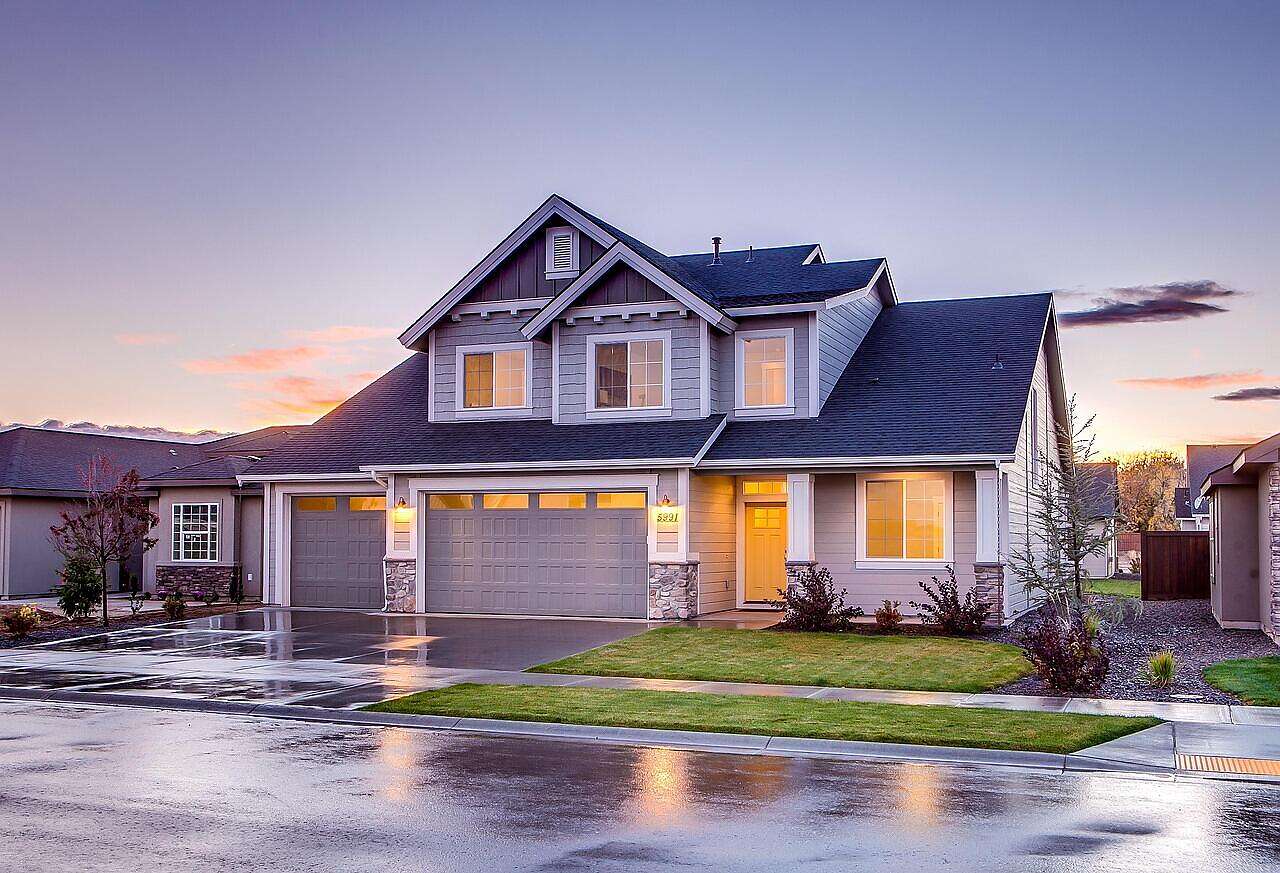
Southside is slab subdivisions, retention ponds and a canopy that has grown into the rooflines since the houses were built. Most calls here are roofline calls with a pond or a tree line behind them.
- Subdivision roofline work
- Pond and tree line read
- Published price bands
What the subdivisions here give a rat
The Southside, taking in Baymeadows, Deerwood and the corridors around them, is mostly 1980s through 2000s slab-on-grade block and frame, with newer construction further south. There is no crawl space under these houses, so the job concentrates at the roofline and at grade, and the list of openings is consistent enough across a subdivision that a contractor who has worked one street knows where to look on the next.
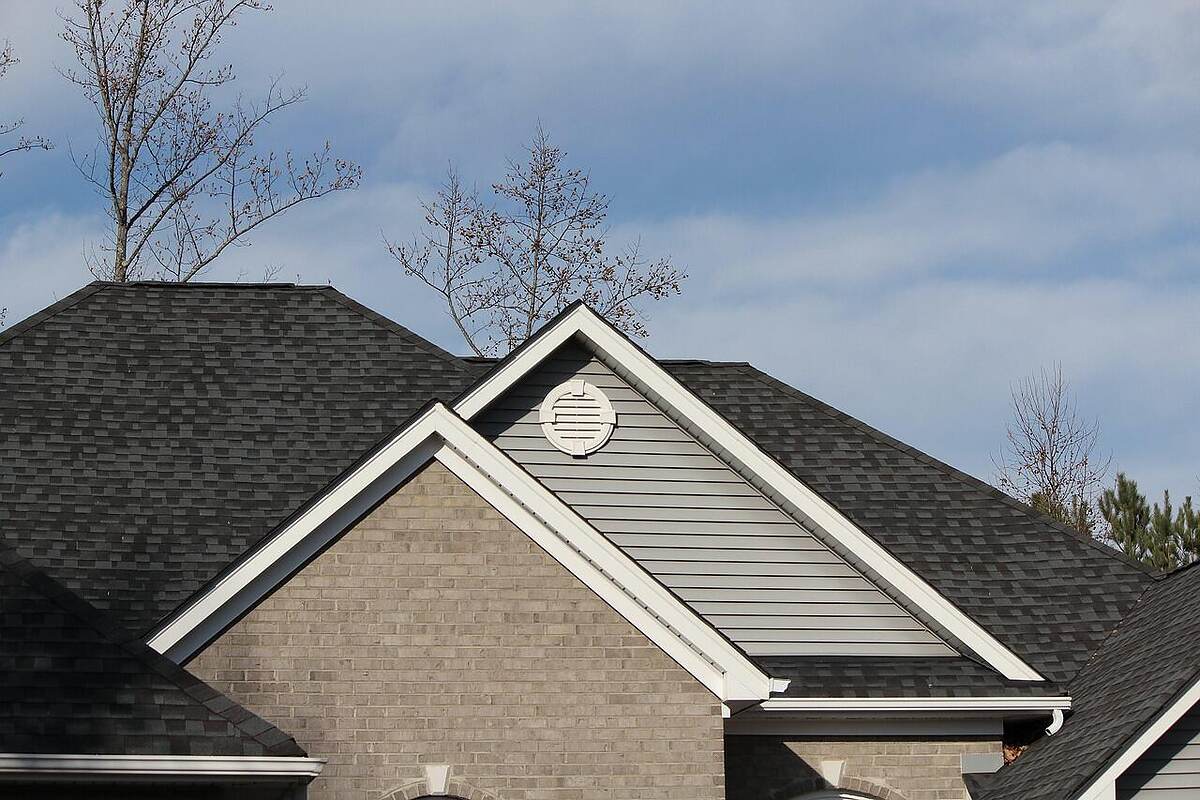
Soffit returns come first. The boxed corner where the eave turns back into the wall is the most common entry on a Florida slab house, and two-story houses in this part of the city often have four or more of them. Gable and off-ridge vents with aged screens come next, then the roof-to-wall junction where a bay or a second-story section meets a lower roof plane, then the sleeve where the air conditioning line set passes through the wall, and then the garage door seal at its bottom corners.
Roofs are predominantly asphalt shingle with metal on some of the newer stock. Where a roof has been replaced, the new drip edge and the fascia line sometimes leave a gap that was not there before, and that is worth checking specifically on any house that has had roofing work done in the last few years.
Book a free inspection in Southside
Give the street and what you are hearing. The dispatcher lines up the contractor who covers this part of the city for a free roofline and crawl-space inspection.
Twenty-year-old trees meeting the eaves
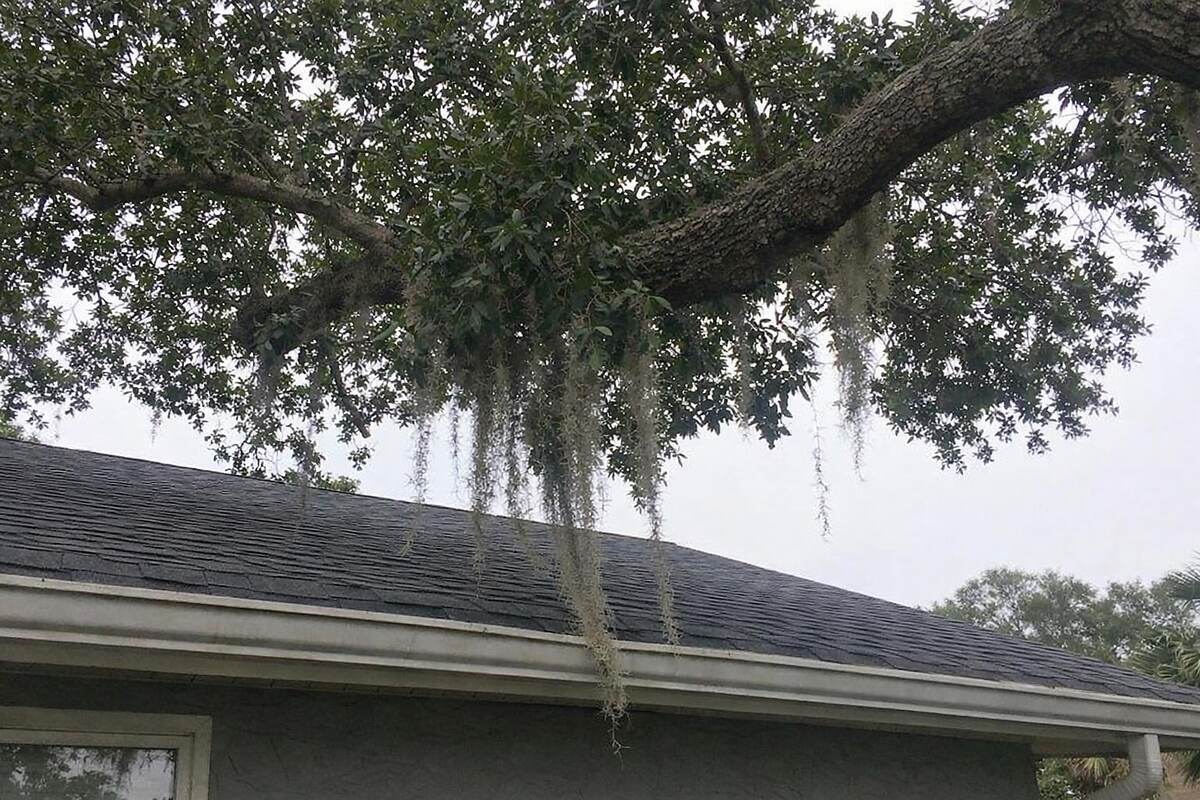
The thing that has changed most on these streets is not the houses, it is the planting. Subdivisions built in the 1980s and 1990s were landscaped with young trees, and those trees are now mature enough to reach the rooflines they were planted beside. A laurel oak or a live oak that cleared the eave by ten feet at handover is resting on the fascia now, and that is the single most common reason a house that was never a problem becomes one.
UF/IFAS describes the roof rat as arboreal, traveling along branches, wires and palm trunks, with a working range of roughly 150 yards from its den. On a subdivision street that range takes in a block of back yards, a retention pond edge and whatever tree line backs the development, so the supply is not about your lot alone. Your lot is where the openings are.
Service wires are part of the same story and get overlooked. A drop running from a pole to the side of the house is a route, and where it enters near an unsealed penetration it is a route to a door. The inspection notes the wire entry as well as the limbs.
Retention ponds, tree lines and ground rats
Almost every Southside subdivision has water in it: retention ponds, drainage swales and the creeks and marsh edges the ponds drain toward. Those edges are where Norway rats live, burrowing into banks and dense ground cover, and a house backing onto one has ground-level pressure as well as a canopy problem.
The sign reads differently. Activity in the garage or a utility room rather than overhead, droppings along a wall at floor level, smooth runs worn through ground cover at the back of the lot and burrow mouths in the pond bank or against a fence line. On a slab house the ways in at that level are few, which is good news: the garage door seal, the service penetrations at grade, and any gap where a patio slab meets the wall.
The yard work matters more than usual here. Cutting ground cover back from the foundation, keeping firewood and debris off the walls, and collapsing burrows along a fence line removes the harborage against the building, and none of it needs a contractor. The trapping side is described on the Norway rat page.
What the free inspection covers on the Southside
The walk is a ladder at every elevation and a light in the attic, then the ground. Each soffit return is checked individually rather than sampled, along with the fascia line, the gable and off-ridge vents, the roof-to-wall junctions and any drip edge that has been disturbed by roofing work. The attic is entered for droppings, rub marks, flattened insulation and daylight, and on a two-story house that means checking the low-roof spaces over a garage or a bay separately.
At grade the garage door seals, the air conditioning line sleeve and any patio or slab junction get looked at, and then the yard: which limbs touch the roof, where the service wire enters, whether palm crowns hold dead fronds, and what the back of the lot backs onto. A pond bank or a tree line behind the fence changes the quote, because it adds a ground-level half to the job.
Findings come back as a list of openings with a closure named for each, and trapping, sealing and any attic work stay on separate lines. The full walk is on the inspection page, and the sealing materials are on the exclusion page.
Why mice keep coming back
A look at the openings that make it repeat.
Video: EASY WAY to Get Rid of Mice in Your House FOREVER, from Silver Cymbal.
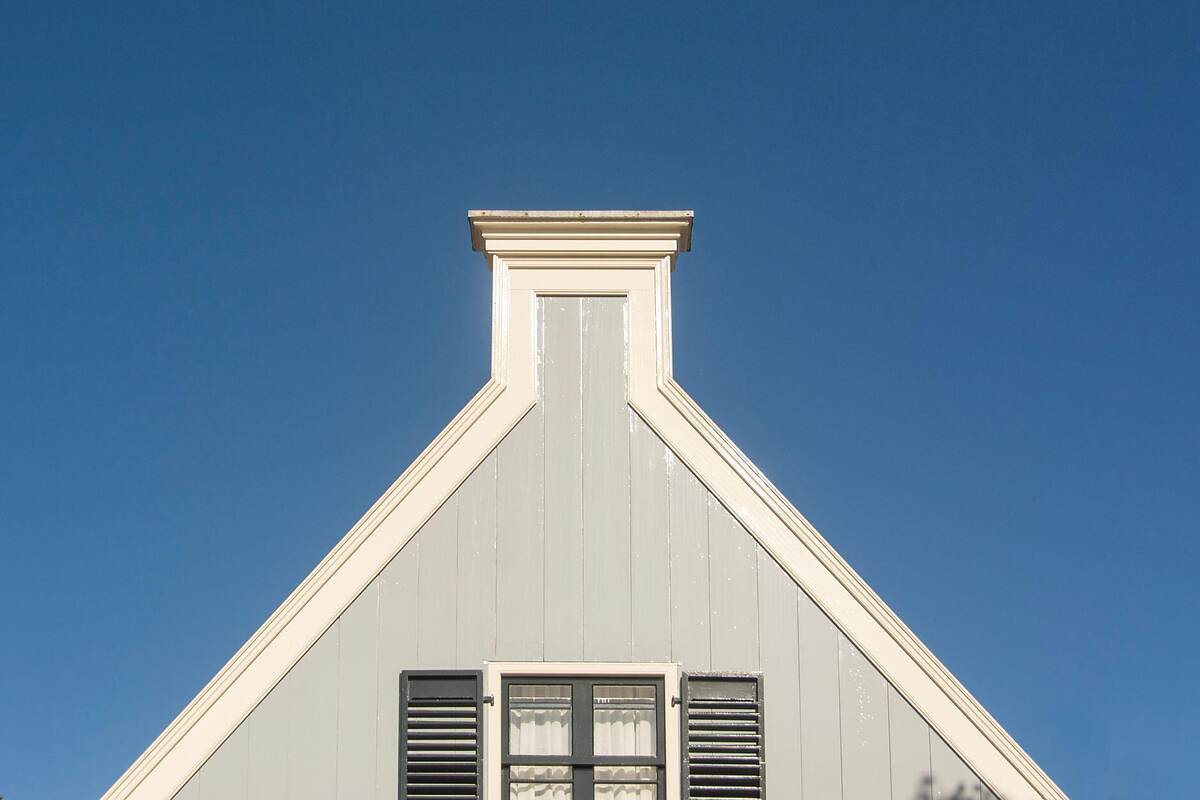
What a Southside job should cover
Three things worth checking on a subdivision house.
-
Every return on a two-story roof
Two-story subdivision houses often carry four or more soffit returns plus low-roof sections over a garage or a bay, and each one is its own opening. Closing the one with droppings beneath it and leaving the others is why a house comes back the next winter. The quote lists each return with its closure material, which makes the work checkable from the ground afterward with binoculars and ten minutes.
Rat-proofing standard is a quarter-inch opening, UF/IFAS Extension
-
The planting that has caught up with the roof
Trees put in when these subdivisions were built now reach the eaves, and that is the change that turns a quiet house into a call. The report names which limbs touch the roof and where the service wire lands, so the cheapest part of the fix goes to a tree crew rather than into a pest quote. A roof rat moves along branches and wires within about 150 yards of its den, so the routes are worth as much attention as the openings.
Roof rats travel along branches, wires and palms, UF/IFAS
-
The pond edge counted as part of the property
A house backing onto a retention pond, a swale or a tree line has Norway rat harborage against it permanently, so the back of the lot gets read for burrow mouths and runs and the openings at grade get closed in steel. On a slab house that is a short list, which is why these jobs are often cheaper than they look once the ground-level half is understood rather than guessed at.
Trapping and removal $250 to $1,200 nationally, HomeGuide 2026
A Southside subdivision call, step by step
The situation: A 1998 two-story frame and block house in a Baymeadows subdivision, slab, shingle roof, backing onto a retention pond with a laurel oak now resting on the garage fascia. Noise above the upstairs hallway at night for about three weeks, droppings found on a shelf in the garage, and a homeowner who has put bait blocks in the attic on a neighbor's advice and is now worried about what happens next.
What gets done: The ladder walk finds two soffit returns open at the garage roof level where the oak touches, a third open on the rear elevation, a torn off-ridge vent screen and an unsealed air conditioning line sleeve. The garage door seal is worn at one corner, and the pond bank behind the fence has two burrow mouths with a run through the ground cover toward the garage. The remaining bait is removed and no more goes down. Quiet openings are closed in steel, traps go in the attic runs and inside the garage, and the rear return and the vent stay open with traps until the sign stops. The bank burrows are collapsed and the ground cover is cut back from the wall.
How it turns out: Three visits over about a month, with the roofline closures, the garage seal and the trapping on separate lines and the total in the lower half of the published exclusion band because there is no crawl space to measure. No carcass ever turns up in a wall, which is the part the homeowner was most worried about. The oak limb goes back that winter and the hallway stays quiet.
Questions from Southside callers
What subdivision houses ask about most.
A newer house
The house is only twenty-five years old. How is anything getting in?
Because the openings are original features rather than damage. A soffit return is a boxed corner that was built with a gap behind it, a gable vent is a hole with a screen over it, and an air conditioning line sleeve is a hole that was often never sealed. All of it is original construction, and none of it shows from the ground. What has changed in twenty-five years is the landscaping: trees planted at handover now reach the eaves, which turns openings that were always there into openings that are reachable. The walk measures all of them rather than assuming a newer house is closed.
I put bait in the attic already. What now?
Have it taken out rather than added to. The EPA describes most rodenticides as anticoagulants that kill four days to two weeks after an animal begins feeding, and the animal spends that time in the nest it already has, which is in your attic or a wall void. UF/IFAS points out that trapping cuts down on poisoned animals dying inside a structure, because each one is removed on a scheduled check. If a smell appears over the next week or two there may already be a carcass, and locating it is its own job, described on the dead rodent removal page. Going forward the sequence is sealing plus traps on the marked runs.
The pond and the cost
Does backing onto a pond make this worse?
It adds a second species rather than more of the first. Pond banks, swales and tree lines are Norway rat harborage, and those are ground animals that enter at floor level, so a house on a pond can have roofline activity above and garage activity below at the same time. The useful news is that a slab house has very few ways in at grade: the garage door seal, the service penetrations and any gap where a patio slab meets the wall. Closing those three and cutting the ground cover back from the foundation covers most of it.
What should a job like this cost?
HomeGuide's 2026 national bands put trapping and removal at $250 to $1,200 and full-home exclusion at $500 to $2,500, and Angi's figures for Tampa, the nearest Florida metro that publishes any, show a removal visit averaging $1,078 with a typical range of $441 to $1,716. A single-family slab house on the Southside usually sits in the lower half of the exclusion band, because the work is a list of discrete roofline openings rather than a long perimeter. The free inspection turns the band into a measured quote with the lines separated.
Still have a question? Call (904) 659-6044 and ask.
Book a free Southside inspection
Say which room the noise is over and what the back of the lot backs onto. The ladder walk and the attic check cost nothing.