Rodent Removal in San Marco
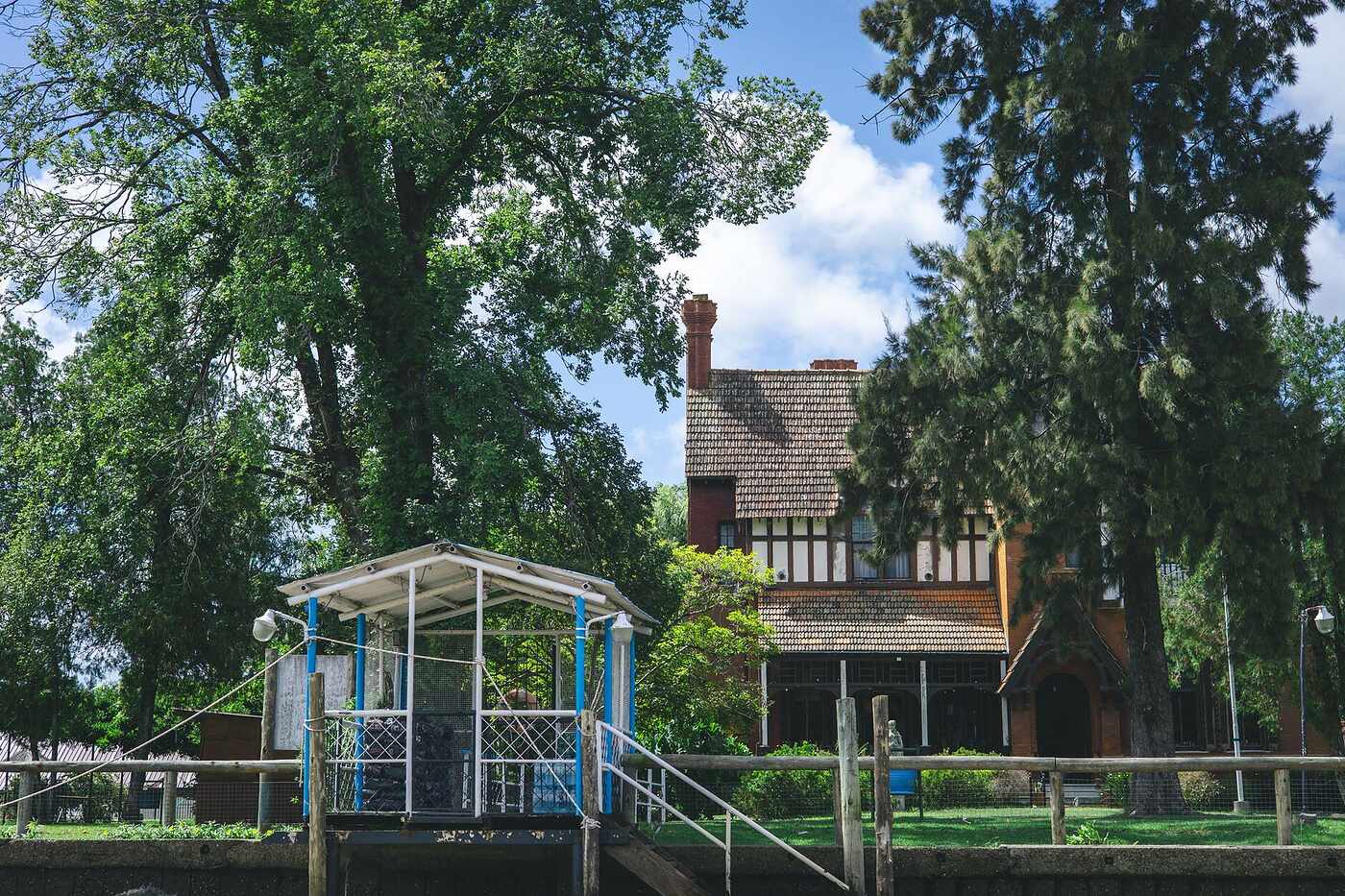
San Marco sits on the river, and that decides the work. Seawalls, docks and bulkheads hold Norway rats at ground level while roof rats use the oak canopy into 1920s attics, so most jobs here seal at two heights.
- Seawall and dock lines read
- Riverfront flood exposure
- Two species on one quote
Why the river edge sets the job here
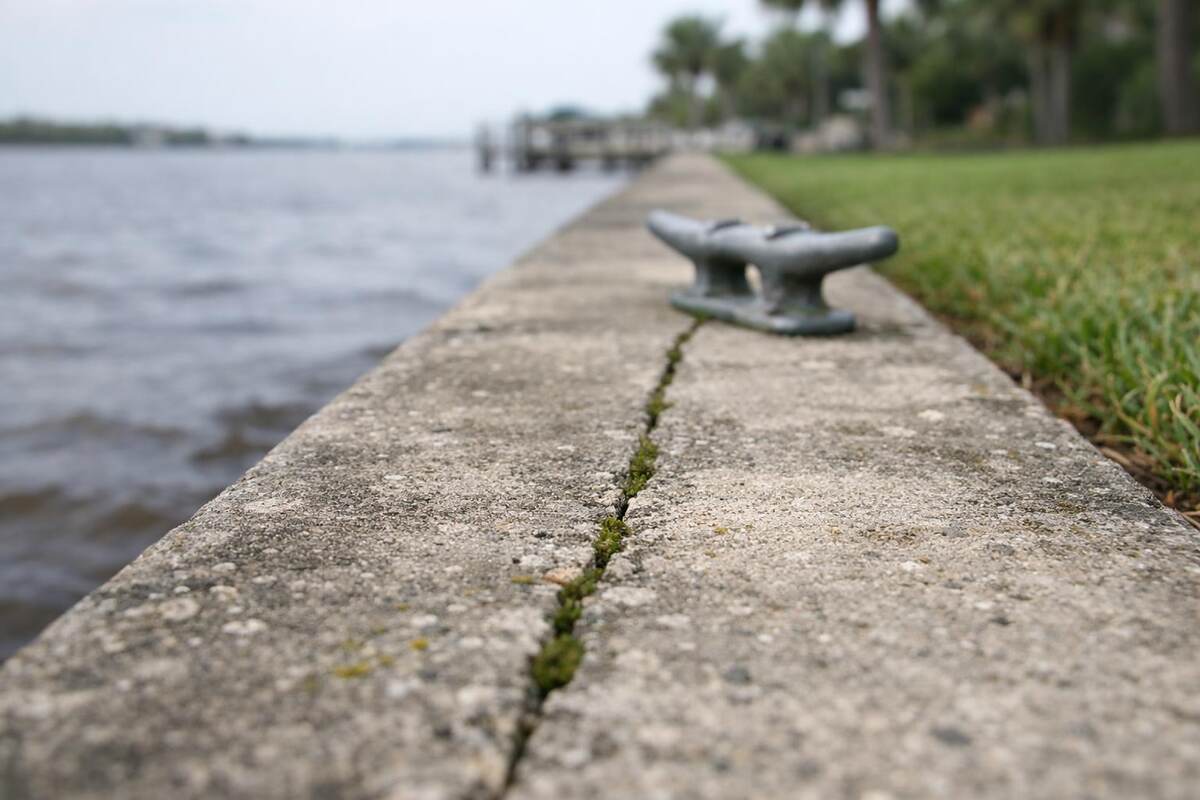
Norway rats are burrowing ground rats, and a riverfront street gives them continuous harborage up to the foundation line. Seawalls and bulkheads have voids behind them, dock structures give cover, and bank vegetation runs unbroken along the water. That is a reservoir rather than an incident, which is why a San Marco job starts at the water end of the lot and works toward the house instead of starting on a ladder.
South Florida rodent advice barely covers this animal, because roof rats dominate almost entirely down there. Jacksonville is different, and the riverfront districts are the clearest example in the city. The sign reads differently too: smooth runs in the dirt, burrow mouths at the base of walls and piers, gnawing at floor level and droppings in garages and utility rooms rather than in the attic.
The practical consequence is the order of work. The yard and the perimeter get dealt with alongside the building: burrows collapsed, ground cover cut back from the foundation, firewood and debris moved off the wall, and then the openings at floor level closed in steel. Trapping at ground level is described on the Norway rat page.
Book a free inspection in San Marco
Give the street and what you are hearing. The dispatcher lines up the contractor who covers this part of the city for a free roofline and crawl-space inspection.
The houses between the square and the water
San Marco was developed from the 1920s onward around the square at its center, and the stock runs from that period through later decades, with riverfront properties of every era along the water. The older houses are built the way the rest of historic Jacksonville is: piers with a crawl space under the floor, original soffit detailing, and utility penetrations cut long before anyone screened anything.
That gives a Norway rat working up from the bank a straightforward route: a perished crawl-space vent screen, a gap in the skirting, or the sill line where the floor framing sits on the foundation. It gives a roof rat the eave. A house with both sign above and sign below is common enough here that the inspection is written to cover the roofline and the perimeter as a matter of course rather than on request.
Newer riverfront construction moves the problem rather than removing it. A slab house closes the crawl-space route and leaves the garage door seal, the utility penetrations at grade and the roofline, and the bank and the seawall are exactly where they were. The quote changes shape; the survey does not.
What high water does on these streets
San Marco is one of the districts that floods when the St. Johns River rises, and Hurricane Irma in September 2017 produced record river levels through here, Riverside and downtown. The rodent consequence is immediate and mechanical: burrows along the banks and seawalls go underwater, and the animals in them move to the nearest dry space, which is a crawl space, a garage, a wall void or an attic.
No reliable statistic exists for the scale of that movement, and any figure claiming to measure it has been invented. What is sourced is the health guidance and the building damage. The CDC ties rises in leptospirosis cases to hurricanes and flooding, names rodents among the animals carrying it, and recommends rodent control as part of what a household does afterward. The Department of Energy documents storms breaking and displacing roof tiles, with one broken tile cascading into others.
The practical response is a second walk rather than an assumption. Debris can push a vent screen out of its frame, floodwater soaks insulation between floor joists, and a storm-opened soffit edge is a new route that did not exist a month earlier. That walk is described on the post-storm inspection page.
What the free inspection covers in San Marco
The walk runs from the water to the ridge, which is the opposite order from most of the city. It starts at the seawall, the dock and the bank, reading the ground for runs and burrow mouths, then works the foundation line for openings at grade, the garage door seals, the crawl-space vents and skirting where the house has them, and the service penetrations. Then the ladder goes up for the soffit line, the gable vents and the roof-to-wall junctions, and the attic is worked with a light.
Reading which species is where is the point of covering both. Droppings a quarter to half an inch long with pointed ends, per UF/IFAS, in the attic insulation, and smooth runs with burrow openings at the foundation, mean two jobs on one property and two sets of closures on the quote. A house with only one of those gets the shorter job and a smaller figure, which is the other reason the full walk is worth doing.
Findings come back as a list of openings with the closure material named for each, plus the yard items that are cheaper for a homeowner to arrange separately. The inspection page covers the walk and the contact page has the hours.
Keeping rodents out once they are gone
Three approaches, and why sealing is the one that lasts.
Video: 3 Ways To Get Rid Of Mice or Rats, And Keep Them Out!, from Everything Homestead.
What a San Marco job has to get right
Three things the river changes about this work.
-
The survey starts at the water
Seawall voids, dock structures and bank vegetation are harborage that sits against the property permanently, so the first part of the walk is the ground between the water and the wall. Burrow mouths get collapsed, ground cover gets cut back from the foundation, and the openings at grade get closed in steel. A job that starts in the attic on a riverfront lot is treating the half of the problem that is easier to reach.
Norway rats burrow along foundations, seawalls and riverbanks, and Jacksonville is a Norway rat market as well as a roof rat one
-
Two species read on one visit
Droppings a quarter to half an inch long with pointed ends in the attic are roof rat; smooth runs and burrow openings at the piers are Norway rat. Plenty of houses here have both, and the closures for each are in different places, so the inspection reads both levels and the quote prices them separately. That also means a house with only one problem is not sold the other.
Roof rat droppings run a quarter to half an inch, banana shaped with pointed ends, UF/IFAS
-
Flood exposure written into the file
This is one of the districts that took record St. Johns River levels in September 2017, and a flooded burrow empties into the nearest dry structure. The report is dated and photographed so the condition of the building before and after a storm is on record, and the perimeter is walked again after high water rather than assumed intact. The CDC recommends rodent control as part of the response after flooding.
CDC ties leptospirosis increases to hurricanes and floods and recommends rodent control afterward
A riverfront call in San Marco, start to finish
The situation: A 1930s masonry house on a street running down to the river, piers and a vented crawl space, a short bulkhead and a wooden dock at the bottom of the lot. Noise under the hall floor in the evenings rather than overhead, a chewed corner on a bag of birdseed in the garage, and droppings on the garage floor along the wall nearest the water. Nothing at all in the attic.
What gets done: The walk starts at the bulkhead and finds two burrow mouths in the bank behind it, a run worn through the ground cover toward the side of the house, and a third burrow against the rear pier. The perimeter adds three perished crawl-space vent screens, a displaced section of skirting and the garage door seal worn at the corner. The attic is clean, so the roofline work comes off the quote entirely. Burrows are collapsed and the ground cover is cut back from the wall, the quiet openings go closed in steel, traps go along the crawl-space sill and inside the garage, and the skirting section closes at the second visit once the runs go cold.
How it turns out: Two visits and a check three weeks later, with the perimeter footage, the garage seal and the trapping on separate lines and the roofline never quoted because nothing up there needed it. The floor noise stops inside two weeks. The owner gets a dated report with photographs of the bank and the closed openings, which goes into the file alongside the flood insurance paperwork.
Questions from San Marco callers
What riverfront addresses ask about most.
The riverfront problem
Can anything be done about the bank and the seawall?
A fair amount, though it is maintenance rather than a one-time fix. Collapsing burrows, cutting dense ground cover back from the foundation, keeping firewood and debris off the wall and clearing the voids behind a bulkhead where they are accessible all reduce the harborage sitting against the property. What cannot be fixed is the river itself, and a neighbor's unmanaged bank keeps pressure on regardless. That is exactly why the closures at grade matter more here than anywhere else: the animals will be there, and the question is whether they can get in.
How do I tell a Norway rat problem from a roof rat problem?
Where the noise is and where the sign is. Activity at floor level, in a garage, a utility room or under the floor, with smooth runs in the dirt and burrow openings along the foundation or the bank, is the ground species. Noise overhead after dark with droppings a quarter to half an inch long and pointed at the ends, which is the UF/IFAS description, is the roof rat. A lot of riverfront houses here have both, and the reason to establish it before work starts is that the closures are in completely different places and so are the trap positions.
Flooding and records
The crawl space flooded. What needs doing besides drying it out?
Three things, and only one of them is a rodent job. The insulation between the floor joists that got wet comes out, because the Department of Energy is clear that wet insulation performs poorly. The vent screens and skirting get walked again, since debris in moving water pushes a screen out of its frame and leaves an opening that was closed a month ago. And the ground outside gets read for fresh burrowing above the new water line, because the animals that were in the flooded burrows have relocated. Drying and any structural drying advice belongs to a different trade.
Can I get something in writing for my insurance file?
Yes, and on a flood-exposed street it is worth having. The report is dated, names the areas inspected, describes the evidence found or records its absence, lists the openings closed with the material used on each, and carries the contractor's FDACS license number, with photographs attached. Rodent damage is usually excluded from a homeowner policy while storm damage to a roof usually is not, so when a wind or water event opened the route the sequence matters. The document is described on the clearance letter page.
Still have a question? Call (904) 659-6044 and ask.
Book a free San Marco inspection
Say whether you hear it above or below, and whether the lot runs down to the water. The walk covers both and costs nothing.