Rodent Removal Services in Jacksonville
Ten services in the order a job runs: the animals out, the roofline and crawl space closed, the attic put right. Each handled by an FDACS-certified contractor after a free inspection.
- Free inspection first
- Published bands, itemized quotes
- Exclusion in every sequence
The order the work runs, and why
Every job on this list is built around exclusion, since trapping with nothing sealed behind it is the practice homeowners warn each other about more than any other. The order runs like this. Map every opening. Shut the ones nothing is using. Trap what remains inside. Close the last two or three routes when the sign stops. Then decide what to do about the mess left in the attic.
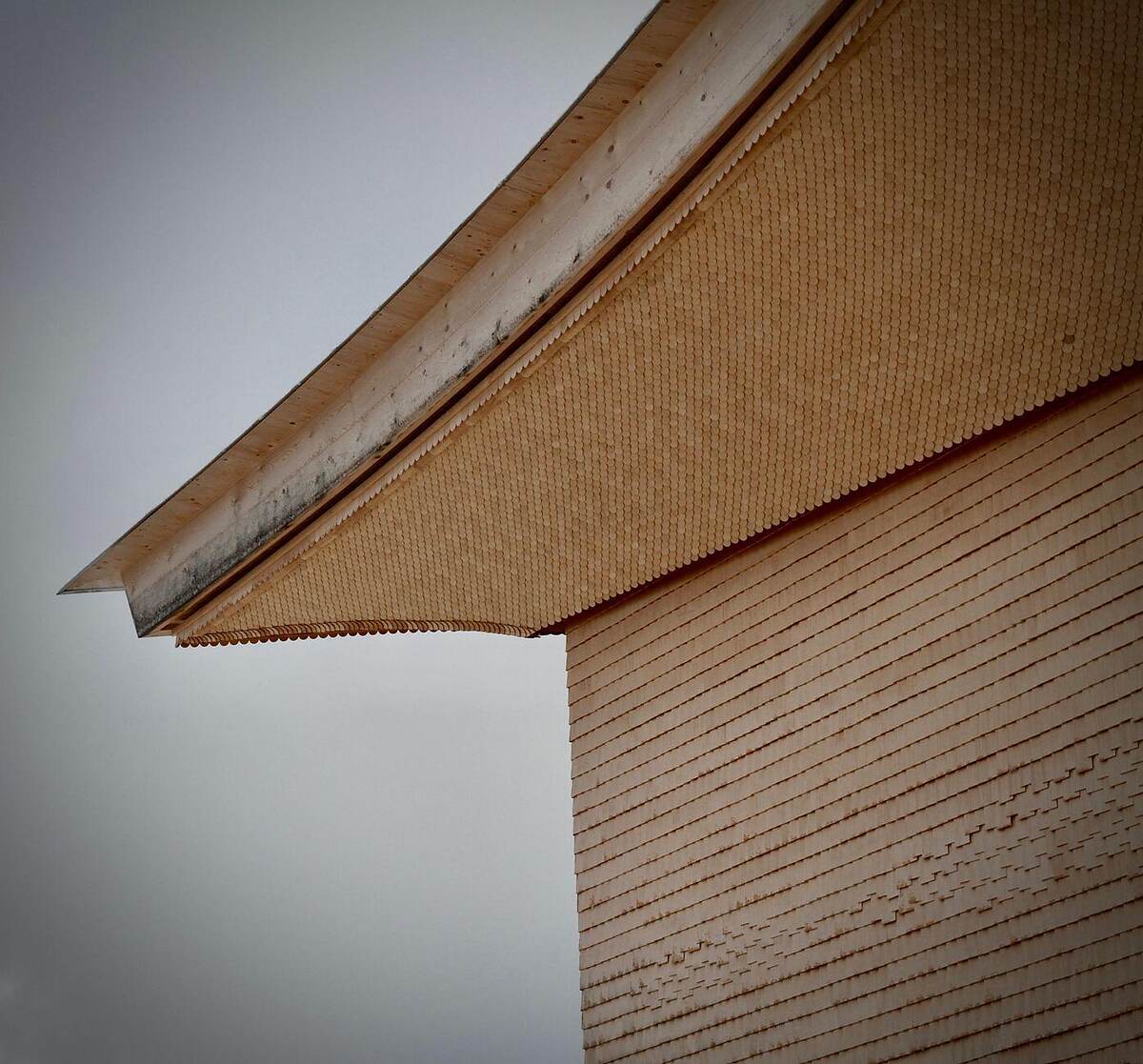
On a Jacksonville house that means two places. The roofline on slab houses: soffit returns, gable and off-ridge vents, roof-to-wall junctions and the AC line sleeve. The crawl space on pier-and-beam houses in the historic districts and on the 1950s ranches: vent screens, skirting and the sill gap the whole way round. The inspection records both, and the quote prices trapping, sealing and cleanup as separate lines so a bundled number never has to be judged on faith.
The about page covers who attends and the credential to check. The contact page has the hours and the address.
One call, one inspection, one quote
Describe the noise or the smell and where it is. A dispatcher books the free visit and the contractor writes the quote from what the ladder and the flashlight find.
The services, grouped by where they sit in the job
The animals come out first, the sealing settles whether that lasts, and what happens in the attic afterward depends on what the photographs show once it is empty.

Roof Rat Removal
Trapping the attic rat that answers most Jacksonville calls, sequenced with sealing.
Roof Rat Removal →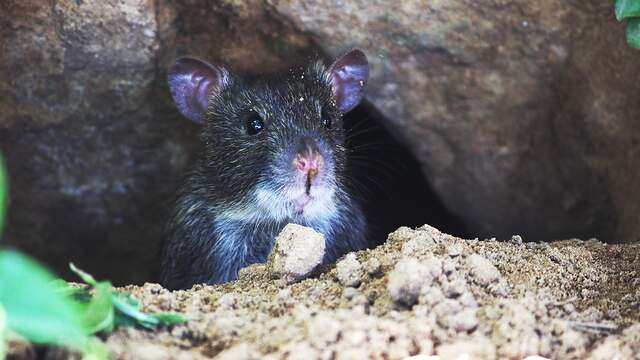
Norway Rat Removal
Ground-level burrows along foundations, seawalls and crawl spaces, closed and trapped.
Norway Rat Removal →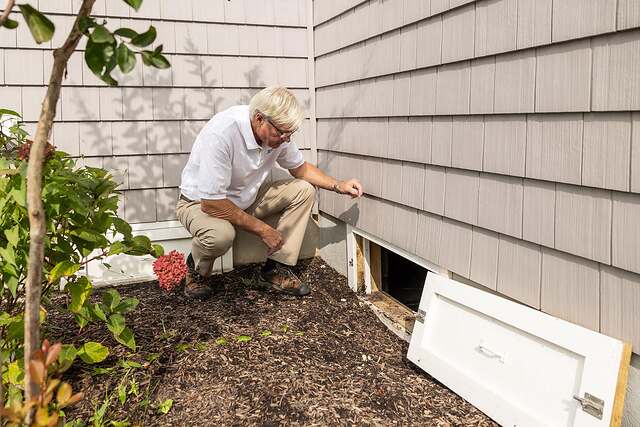
Rodent Exclusion
Roofline and crawl-space sealing to the quarter-inch standard in steel and sheet metal.
Rodent Exclusion →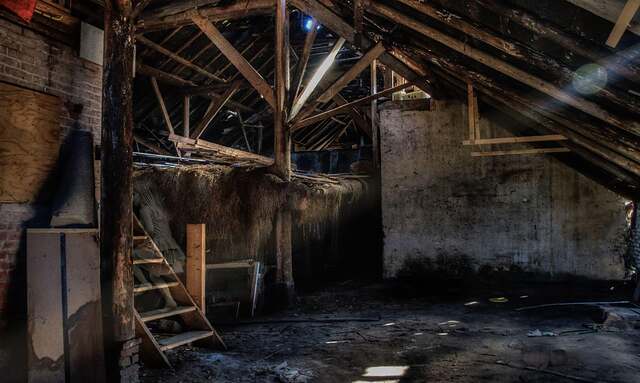
Rodent Inspection
A free walk of the roofline, attic, crawl space and yard that sets the order of the job.
Rodent Inspection →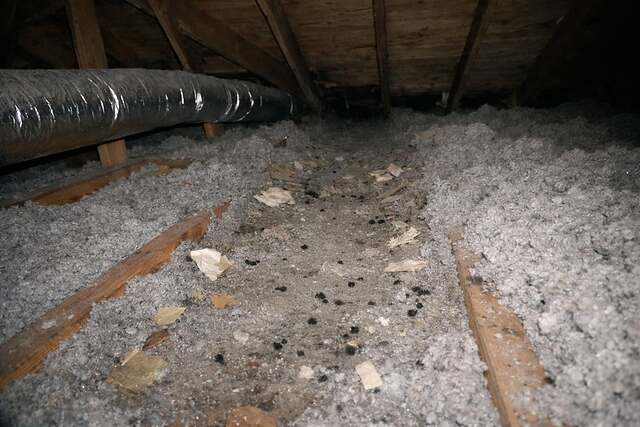
Attic Cleanup and Decontamination
Droppings, nests and soiled insulation removed, then the attic sanitized.
Attic Cleanup and Decontamination →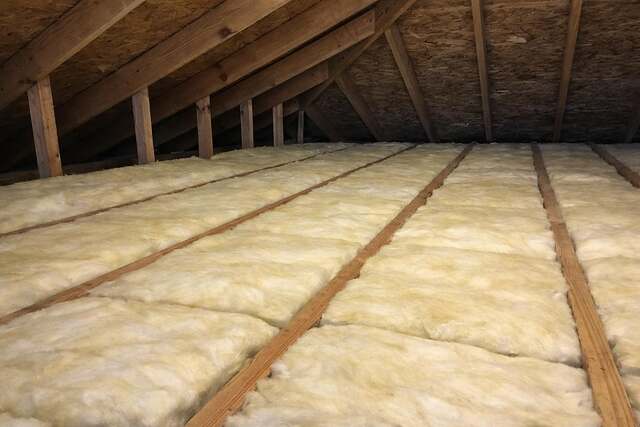
Attic Insulation Replacement
Compressed or wet insulation taken out and fresh material blown in.
Attic Insulation Replacement →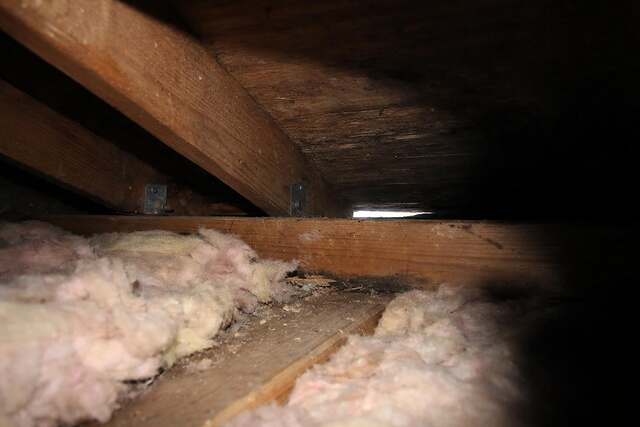
Dead Rodent Removal
Finding the carcass behind the smell, removing it, and closing the wall.
Dead Rodent Removal →
Rodent Clearance Letters
A dated inspection report for closings, leases, HOA files and insurance.
Rodent Clearance Letters →
Commercial Rodent Control
Kitchens, warehouses, multifamily and riverfront commercial buildings, with records.
Commercial Rodent Control →
Post-Storm Rodent Inspection
A roofline, crawl-space and harborage check after river flooding or a hurricane.
Post-Storm Rodent Inspection →Mice, squirrels, or something else
How the signs differ between the two.
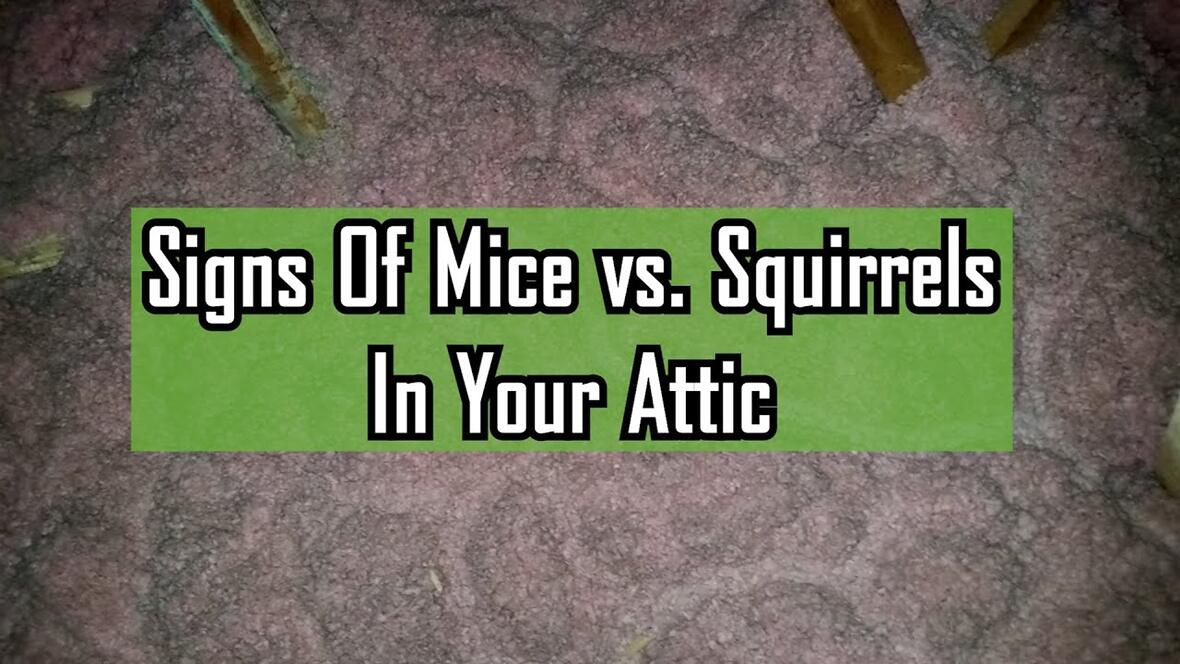
Video: Signs of Mice vs. Squirrels In Your Attic, from Skedaddle Humane Wildlife Control.
What every service on this list has in common
The order of work and the paperwork are the same whichever page you land on.
-
The free inspection decides the order
Whichever page brought you here, the first visit is the same walk of the roofline, the attic, the crawl space where the house has one, and the yard down to the seawall. What it finds sets which of the ten services apply and in what order, so a call about a smell in a wall and a call about scratching over a bedroom end up on the right pages with one itemized quote each.
Standalone inspections run $0 to $175 nationally, HomeGuide 2026; here the visit is free
-
Every line priced by itself
Trapping, sealing, cleanup and insulation each appear on their own line with their own band, and the band is printed on the service page so the quote can be read against it. People who have been through this warn each other about a single bundled figure with a monitoring contract folded in, and that shape of quote is the one every routed job avoids.
Trapping and removal $250 to $1,200 nationally, HomeGuide 2026
-
The credential matches the service
Trapping needs the FDACS Limited Wildlife certificate at minimum. Rodenticide, which is rare on a routed job, needs a pest control business license with a certified operator in the General Household Pest category. The contractor dispatched for a service holds what that service requires, and the license number is yours to check on the FDACS search before anyone climbs a ladder.
Chapter 482, Florida Statutes, administered by FDACS
Choosing the right service
Which page to read first, by what you are dealing with.
Starting out
I hear noises but have not seen anything. Where do I start?
With the free inspection. It walks the roofline, the attic and the crawl space, reads the species from droppings and rub marks, and records every opening. The trapping and sealing quote is built from that report, and it is the same visit whichever service turns out to be needed.
Do I need sealing if the traps are catching rats?
Yes, because the traps are catching replacements. UF/IFAS sets the rat-proofing standard at a quarter inch, and a roof rat ranges about 150 yards from its den, so an open soffit return or a rusted crawl-space vent keeps the supply coming from well beyond your lot. Sealing is what gives the trapping an end date.
After the rodents
Does the insulation have to come out?
Flattened runs and urine-soaked batts are the two findings that put replacement on a quote. Per the Department of Energy, insulation that has been compressed no longer delivers its rated R-value, and wet insulation performs poorly. The inspector records which bays are affected, and the cleanup line and the replacement line are quoted separately.
Is there a dated report for a closing or a landlord?
Yes, and the clearance letter page sets out what goes into one: the areas entered, what was found or recorded as absent, each opening closed with its material, photographs, and the FDACS license number of whoever carried out the work. The cost is the inspection, which is free here, plus whatever sealing the walk turns up.
Still have a question? Call (904) 659-6044 and ask.
Not sure which one you need?
Ring and say what you are hearing or smelling. Working out which service that points to is the dispatcher's job, and the free visit gets booked on the same call.