Attic Insulation Replacement in Jacksonville
Insulation that has been tunneled through and urinated on has stopped working as insulation. Replacement takes out the material that has failed, leaves the rest, and puts fresh depth back once the attic is clean and closed.
- Measured in square feet
- Only the failed bays come out
- Installed after the sealing
What insulation replacement in Jacksonville includes
Replacement is two measured jobs in sequence: taking out the material that has failed and blowing or laying in new material to a stated depth. The area coming out is measured in square feet, the new depth is specified, and both appear as their own figures, because a single number covering removal and replacement hides which half of the job the money went into.
The sequencing rule is simple and worth insisting on. New insulation goes in after the openings are closed and after the attic has been cleaned. Putting fresh material into an attic that still has a route in means paying for it twice, and that sequence error is the most expensive mistake available on this part of the job.
- The failed area measured and marked, with the undamaged material left in place
- Old material vacuumed or bagged out and carried down sealed, with the route through the house protected
- The decking, joists and top plates treated before anything new goes in
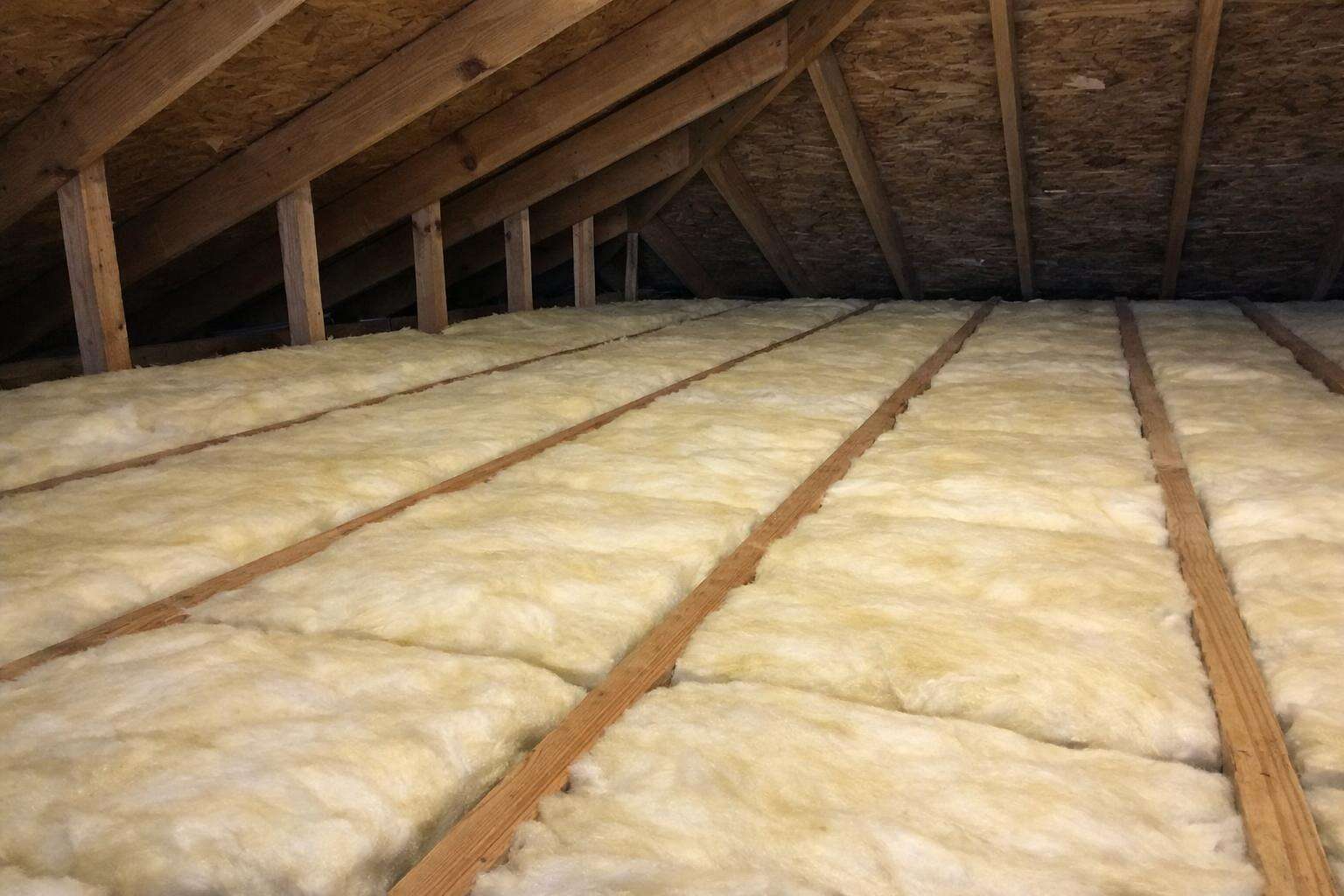
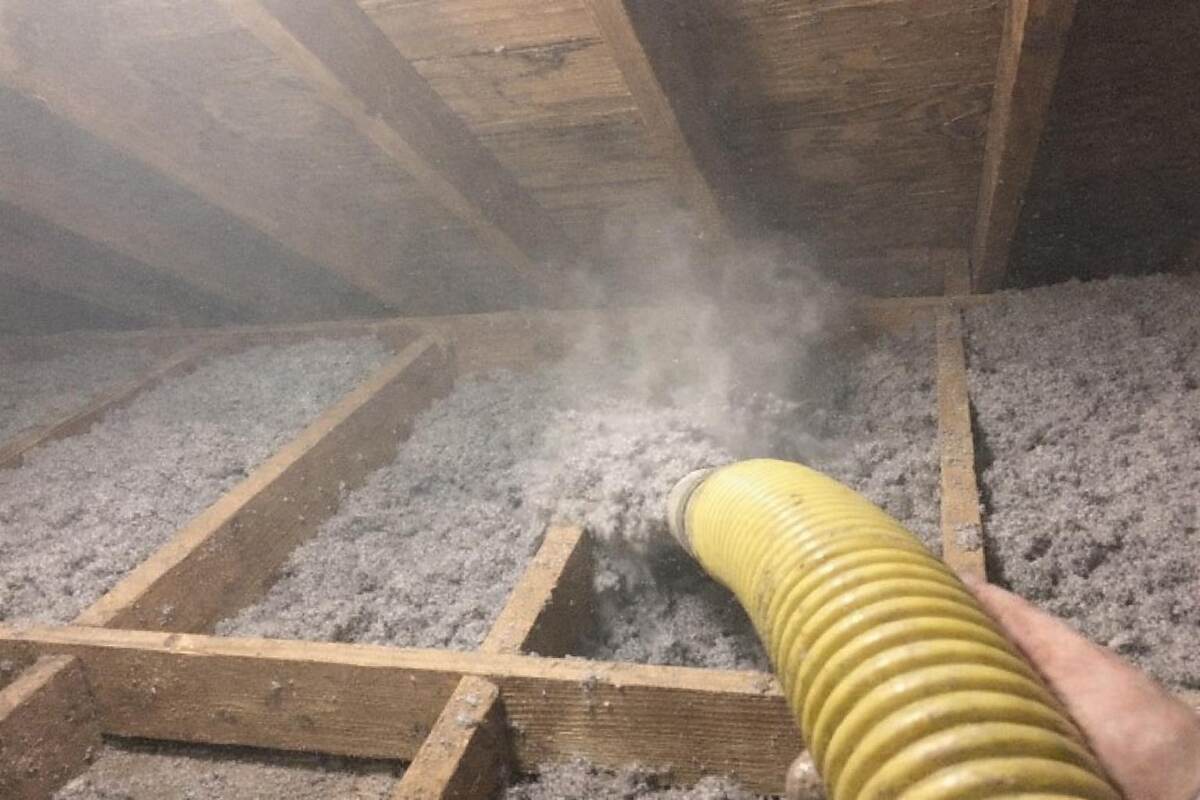
- Fresh blown material to a stated depth, or batts where the bay layout suits them, with the attic's original depth recorded for comparison
- Baffles at the eaves kept clear so the roof keeps ventilating, and recessed light fittings and chases kept clear of material
- Depth marked so the finished level can be checked from the hatch afterward
The cleaning stage that comes first is described on the attic cleanup page, and the sealing that has to come before both is on the exclusion page.
Book the free inspection
Say what you hear, where in the house, and how long it has been going on. A dispatcher lines up the nearest certified contractor for a free roofline, attic and crawl-space inspection.
What rodents do to attic insulation
Two mechanisms take insulation out of service, and both are physical rather than cosmetic. The first is compaction. A rat population runs the same routes night after night, and loose-fill material along those routes is pressed flat. The Department of Energy is plain that compressed insulation does not deliver its rated R-value, because the performance comes from the trapped air in the material and a flattened bay has lost it.
The second is moisture. Urine soaks into loose fill and stays there, and the Department of Energy states that wet insulation performs poorly. In a Jacksonville attic, which runs humid for most of the year and vents warm air through the ridge all summer, soaked material dries slowly and holds odor the whole time. That is the bay a homeowner can smell from the hallway in August.
Nesting adds a third effect that is easier to see than to measure: material pulled into heaps and tunnels, with bare decking exposed between them. No percentage for the R-value lost appears here, because no sourced figure exists for it. The mechanism is documented and the number is not, so the number is left out.
How much has to come out, and who decides
The photographs decide it, bay by bay, and the homeowner sees them before agreeing to anything. A typical Jacksonville attic after a single winter of roof rats shows four to eight affected bays along the main runs and intact material everywhere else, which makes this a patch job rather than a strip-out.
A full strip becomes the honest answer in three situations. Where the population was in the attic for years and the runs have spread across most of the area. Where the material is so shallow to begin with that removing the failed part leaves almost nothing, which is common in the 1950s and 1960s ranches of Arlington and the Westside. And where a storm or a roof leak has wet the material generally, which puts it outside rodent work altogether.
The question to ask is which bays and why, with the photographs open. Any contractor quoting a whole-attic strip-out on a house whose attic has eight affected bays should be asked to walk through the rest of the area and say what is wrong with it.
What insulation replacement costs in Jacksonville
This is the one part of a rodent job that is priced by area rather than by visit, which makes it the easiest line to check. The bands below are national guidance, printed here so a quote can be read against them, and the square footage is measured at the free inspection.
| Work | Typical band | Source |
|---|---|---|
| Insulation removal and replacement | $2.50 to $5.50 per sq ft | HomeGuide 2026, national |
| Attic cleanup and decontamination first | $600 to $2,500 | HomeGuide 2026, national |
| Full restoration of a badly damaged attic | $3,000 to $10,000 and up | HomeGuide 2026, national |
A per-square-foot figure makes the arithmetic public. An attic with 400 square feet of failed material sits between roughly $1,000 and $2,200 on those bands, and a quote well outside that needs a reason attached to it. The reasons that are legitimate in Jacksonville are access and depth: a low-pitch ranch roof with no standing room, a single narrow hatch in a historic house, or a specified depth well above what came out.
Two cost questions are worth asking directly. Whether the figure includes carting the old material away, and what depth the new material is being installed to. A thinner fill is a cheaper quote that looks identical from the hatch.
Jacksonville attics, and what that means for the new material
The houses here fall into three groups for this job, and the group decides the method. The 1900s to 1930s stock in Riverside, Avondale, Ortega and Springfield has shallow attics over narrow joists, original framing and often a single small hatch, so material goes in by hose through a tight space and the depth achieved is limited by what the structure allows. Those houses also have a crawl space underneath, where insulation between the floor joists can be just as chewed and is quoted separately.
The 1950s to 1970s ranches in Arlington, on the Westside and on the Northside have low-pitch roofs with very little headroom at the eaves, which is the hardest kind of attic to work in and the usual reason a quote sits high for a small area. The 1980s onward slab houses of Mandarin, Southside, Baymeadows and Deerwood, and the newer construction south toward Bartram and into St. Johns County, have taller roofs, wide hatches and deeper existing fill, which makes them the fastest and cheapest per square foot.
One climate point applies everywhere here. Jacksonville summers put the attic well above the outdoor temperature for months, so the insulation depth is doing real work on the power bill; and mild winters with occasional freezes mean the same layer matters in January. Replacing flattened material is an energy repair that happens to have started as a rodent problem.
What keeps new insulation from being ruined again
Fresh material lasts exactly as long as the sealing holds, which is why the order of the work is the whole answer. An attic that has been closed to the quarter-inch standard, with the roofline patched in steel and the crawl-space vents screened where the house has them, has nothing arriving to tunnel through the new fill.
- Every opening a quarter inch or wider closed before the new material goes in, which is the UF/IFAS rat-proofing threshold
- A verification visit confirming no fresh droppings or gnawing before the hose comes out
- Limbs cut back from the roofline and dead fronds cleared from palm crowns, since a roof rat ranges about 150 yards from its den and the route matters more than the distance
- Firewood, debris and dense ground cover kept off the foundation so a burrow has nowhere to start against the wall
- A look at the attic once a year with a flashlight, which takes a minute and catches a new run early
Where a house keeps producing activity after sealing, the usual cause is an opening nobody found rather than a failure of the material. That is an inspection question rather than an insulation one, and it is covered on the inspection page.
What to check on whoever replaces your insulation
This line item is bought on trust, because nobody climbs into the attic afterward to measure the depth. A few questions make it checkable.
- The square footage being removed and the square footage going back, both written down.
- The material and the installed depth, with depth markers left in the attic so the level can be seen from the hatch.
- Whether the sealing and the cleanup are already done, and whether the contractor is prepared to put new material into an attic that is not yet closed. The right answer is no.
- Whether removal, disposal and installation are separate lines or one figure.
- The FDACS credential of the business, confirmed on the FDACS license search. Under Chapter 482 of the Florida Statutes a pest control license requires a certified operator, and trapping in a structure for pay requires at minimum the Limited Commercial Wildlife Management certification.
- Whether the eave baffles and the recessed fittings will be kept clear, which is a building-code and fire question rather than a rodent one.
A contractor who will blow new insulation into an open attic on the same day the traps are set is telling you how the rest of the job will go.
The services that usually run with this one
A Jacksonville rodent job is a sequence of separate lines, and these pages cover the steps on either side of this one.
- Attic Cleanup and Decontamination: Droppings, nests and soiled insulation removed, then the attic sanitized.
- Rodent Exclusion: Roofline and crawl-space sealing to the quarter-inch standard in steel and sheet metal.
- Rodent Inspection: A free walk of the roofline, attic, crawl space and yard that sets the order of the job.
Who attends and which FDACS certificate to look up is set out on the about page. Hours, the downtown address and the full service area are on the contact page.
When insulation has to come out
How to tell whether the material is finished.
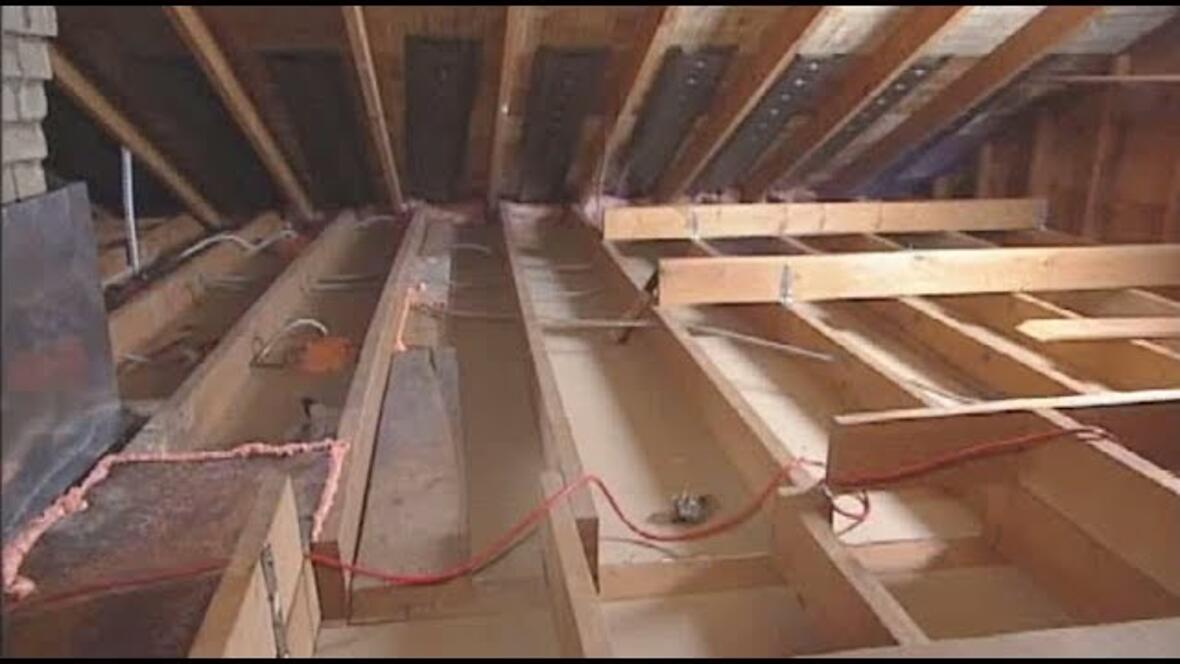
Video: When Should You Remove Old Attic Insulation?, from CrewcutTV.
How an insulation replacement runs in Jacksonville
Five steps, and the first two are about making sure the attic is ready.
-
Confirm the attic is closed
The sealing is checked and a verification visit looks for fresh sign, because new material in an open attic is money spent twice.
-
Measure and quote by area
The failed bays are photographed and measured in square feet, and removal, disposal and installation appear as their own lines.
-
Remove the failed material
Flattened and soaked fill is vacuumed or bagged out and carried down sealed, with the route through the house protected.
-
Treat the surfaces
Decking, joists and top plates are treated after the removal and before anything new goes in, so nothing is sealed under fresh fill.
-
Install to a stated depth
New material goes in to the agreed depth with the eave baffles and light fittings kept clear, and depth markers are left for checking.
What makes this line item worth the money
Three things that decide whether new insulation is a repair or a receipt.
-
Priced by the square foot rather than the visit
The failed area is measured and the figure follows from it, which makes this the one part of a rodent job a homeowner can check with arithmetic. HomeGuide's 2026 national band of $2.50 to $5.50 a square foot is in print above, so 400 square feet of removal and replacement has a public range attached to it. Where a low-pitch Arlington roof or a single narrow Springfield hatch pushes a job up, the reason is access and it gets said.
Insulation removal and replacement $2.50 to $5.50 per sq ft, HomeGuide 2026
-
Only the bays that have failed
A Jacksonville attic after one winter of roof rats usually shows flattened runs along four to eight joist bays and sound material everywhere else, so the quote takes out what has failed and leaves the rest. The photographs from the inspection are what the decision is made on, bay by bay, with the homeowner looking at them. A whole-attic strip-out gets asked to justify itself against the pictures.
Compressed insulation does not deliver its rated R-value, U.S. Department of Energy
-
Nothing new goes into an open attic
Fresh material is installed after the roofline and the crawl space are closed to the quarter-inch standard and after a verification visit has found nothing fresh. That order is not a preference, it is what stops the job being paid for twice, and a contractor willing to blow insulation on the same day as the trapping has answered a different question than the one you asked.
Rat-proofing standard is a quarter-inch opening, UF/IFAS Extension
What Reddit Says About Replacing Rodent-Damaged Insulation
This is the quote people in r/HomeImprovement and r/pestcontrol most often post asking whether they are being taken advantage of, and the reason is that insulation is the largest single number on a rodent invoice. Real quotes described in those threads range from under two thousand dollars to figures in the tens of thousands for work that sounds similar in the telling, and nobody posting can tell which end of that their own house belongs to.
The advice that holds up is to make the quote arithmetic. Ask for the square footage and the per-foot rate, then check it against a published band, because a total with no area attached to it cannot be compared with a second bid. People who did that report the spread between bids narrowing immediately, and a couple report the original company revising its own figure once the measurement was on the table.
Two warnings repeat. Insulation sold as part of a bundle with trapping and monitoring, where nobody can see what the material cost. And new insulation installed before the sealing was finished, which turns up in threads a few months later as a second infestation in brand new fill. The threads are unanimous that sealing comes first.
There is also a quieter theme worth lifting: people who replaced the flattened material noticed the difference on the power bill, and were surprised nobody had framed it as an energy repair. The mechanism is documented by the Department of Energy, which says compressed insulation does not deliver its rated R-value and wet insulation performs poorly, and that is a better reason to do the work than anything a contractor needs to say.
A typical insulation job in a Southside two-story house
The situation: A 2001 two-story frame and block house off Baymeadows, bought the previous spring, where the attic over the garage and the front bedrooms had carried roof rats for at least two seasons before the sale. Sealing and trapping were finished six weeks earlier and the verification visit found nothing fresh. The owner has a January power bill that looks wrong for the size of the house and a hallway that smells faintly of ammonia on warm days.
What gets done: The photographs show blown fill pressed flat along nine joist bays running from the garage wall to the front gable, staining under the main route, nesting material heaped at two top plates, and a wide band of sound material across the rear of the attic. The quote measures 430 square feet for removal, treats the full decking and framing surface, and puts blown material back to a stated depth with the eave baffles cleared and two recessed fittings boxed clear. The old fill comes down bagged through the landing hatch on sheeting.
How it turns out: One long day for the removal and treatment and a half day for the install, with removal, disposal and installation on three separate lines and the total landing inside the published per-square-foot range for the measured area. Depth markers are left at the hatch. The ammonia smell goes with the material, and the owner has a figure and an area written down to compare against the next heating season.
Questions about replacing attic insulation
What people ask once they see the square footage on the quote.
Scope and sequence
Can the new insulation go in on the same visit as the trapping?
It should not, and the reason is money rather than principle. Until the openings are closed and a verification visit has found no fresh droppings or gnawing, the attic still has arrivals, and fresh loose fill is the easiest material in the house to tunnel through. The sequence that holds is sealing to the quarter-inch standard, then trapping until the activity stops, then cleanup, then new material. Anyone willing to compress that into one visit is selling a second job in three months, and the threads where homeowners describe exactly that outcome are not hard to find.
Does the old insulation have to be removed, or can new material go over it?
Sound material can be topped up, and that is a normal energy upgrade. Material that has been flattened into runs, soaked with urine or pulled into nests has to come out, because the Department of Energy is clear that compressed insulation does not deliver its rated R-value and wet insulation performs poorly, so covering it buys depth on top of a layer that is not working and seals the odor in. The photographs from the inspection are what sorts one from the other, bay by bay, and the split is usually visible at a glance once a light is on it.
Cost and checking the work
How do I tell whether the insulation quote is fair?
Ask for two numbers: the square footage coming out and the rate per square foot. HomeGuide's 2026 national band for removal and replacement is $2.50 to $5.50 a square foot, so an area and a rate together give a range to compare. A total with no area attached cannot be checked against anything, which is exactly why it is the most disputed line on a rodent invoice. Access is the legitimate reason for sitting high in Jacksonville: a low-pitch ranch roof or a single narrow hatch in a historic house slows the work far more than area does.
How do I know the right depth went in?
Ask for the installed depth in writing and for depth markers to be left in the attic, which are simple graduated cards stapled to the joists so the level can be read from the hatch with a flashlight. Without them, a thinner fill looks identical to the specified one from the opening and costs the contractor noticeably less. Take a photograph from the hatch on the day it is finished. That single photograph is the whole of the protection available on this line item, and it takes a moment.
Still have a question? Call (904) 659-6044 and ask.
Get the failed area measured
The free inspection photographs the attic and measures what has failed, so the quote arrives with a square footage attached. Call at any hour.