Rodent Removal in Nocatee, FL
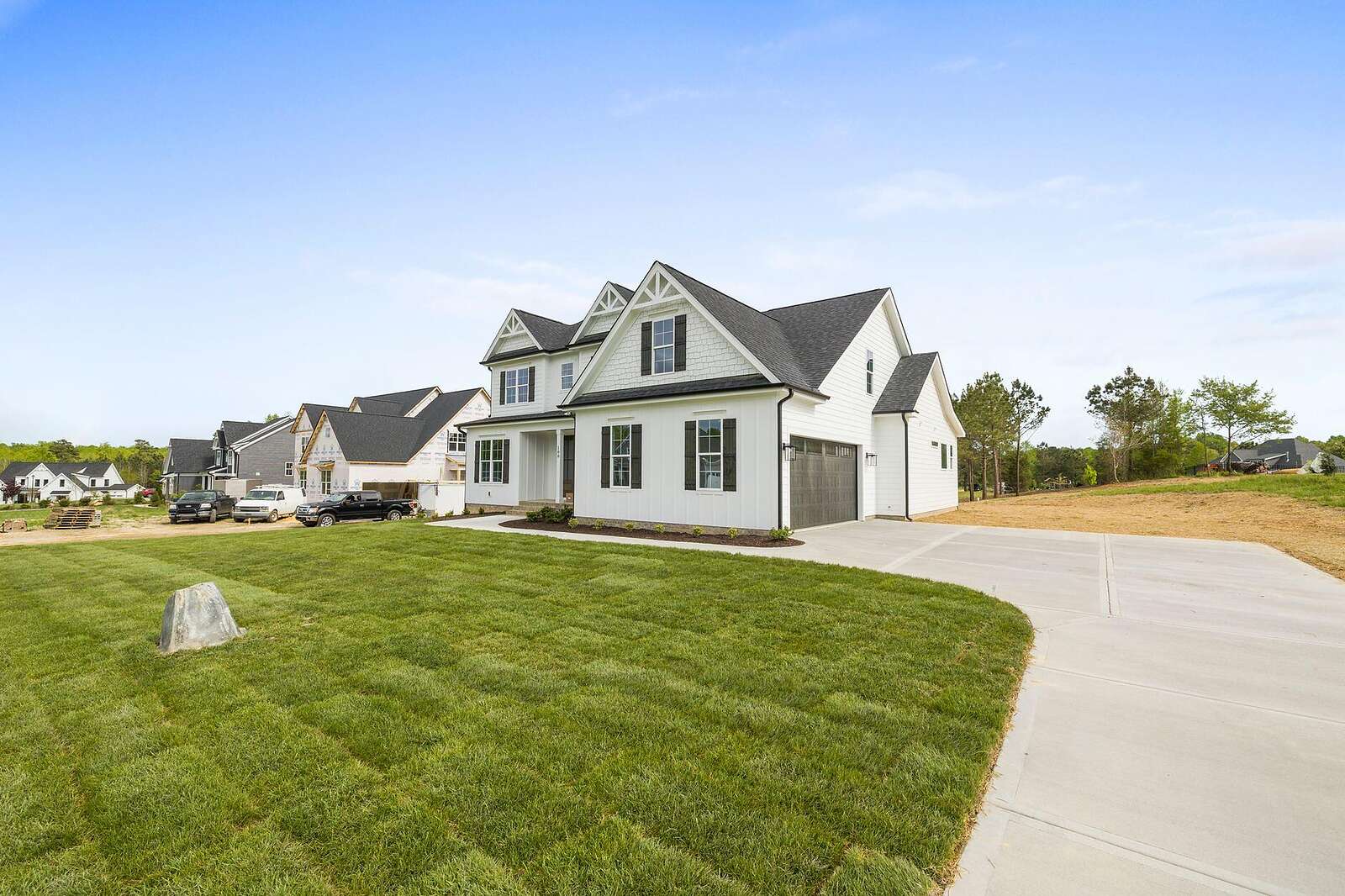
Nocatee is almost entirely new construction backing onto preserved pine flatwoods and wetland, which produces a specific pattern: a house nobody expects to have a rodent problem, with a preserve edge twenty feet behind the fence.
- New-build openings mapped
- Preserve edge read
- Free inspection, itemized quote
Free Inspection in Nocatee
The free inspection on a Nocatee house takes the age of the building as a question rather than an answer, because the openings on a new house are built-in features rather than deterioration. A ladder goes up at each elevation for the soffit returns, the gable and off-ridge vents and the roof-to-wall junctions; the attic is entered for droppings, rub marks and any gap showing daylight; and then the ground gets walked for the garage seals, the service penetrations and what the lot backs onto.
Nocatee sits in St. Johns County, reached off the Nocatee Parkway south of the Duval line, and the contractor network covering Jacksonville covers it. The phone is answered 24 hours a day, and the inspection costs nothing. Say which room the noise is over, whether the lot backs onto preserve and whether the house is still inside a builder warranty period, since that last point changes who should be fixing what. The contact page has the hours.
Book the free Nocatee inspection
Name, number and what you are hearing. A dispatcher calls back to set a time with the contractor who covers St. Johns County.
Why a five-year-old house has openings at all
Nothing here has had time to deteriorate, which is exactly why people are surprised. The openings on a new house are original construction: a soffit return is a boxed eave corner with a void behind it, a gable or off-ridge vent is a hole with a screen over it, and the sleeve where the air conditioning line set passes through the wall is a hole that is frequently never sealed at all. All of it is original construction rather than a defect, and none of it shows from the driveway.
Two more new-build specifics turn up repeatedly. Utility and low-voltage penetrations at the rear of a house, where a data or irrigation line was run after the stucco went on, and the garage door seal, which is a wearing part from the day it is fitted. On a house in its first decade the seal is often the single largest opening at grade.
UF/IFAS sets the rat-proofing standard at a quarter inch, with a mouse able to pass a quarter inch and a rat half an inch. Several standard details on a modern Florida house exceed that without anything having gone wrong, which is the whole reason a new house needs measuring rather than assuming.

The preserve on the other side of the fence
The development is built around large preserved tracts of pine flatwoods, palmetto and wetland, and that is permanent habitat immediately behind a great many lots. It gives cover, burrowing ground and a food supply that has nothing to do with anybody's housekeeping, so a spotless new house on a preserve lot still has pressure against the fence line.
That produces both species. Norway rats burrow along banks, swales, fence lines and dense cover and come in at floor level: a garage, a lanai enclosure, a utility penetration at grade. Roof rats use whatever gets them to the eave, and on a preserve lot the tree line itself is often close enough to the rear roof to matter. Cotton rats live in the flatwoods too, though as an outdoor field species they are not the animal that ends up in an attic.
The yard work that helps is cheap and specific: dense ground cover cut back from the foundation, mulch kept shallow against walls, nothing edible stored in an open bag in a garage or a lanai, and swale banks kept clear enough to see a burrow mouth if one appears. Ground-level trapping is covered on the Norway rat page.
Young landscaping, and the route that is coming
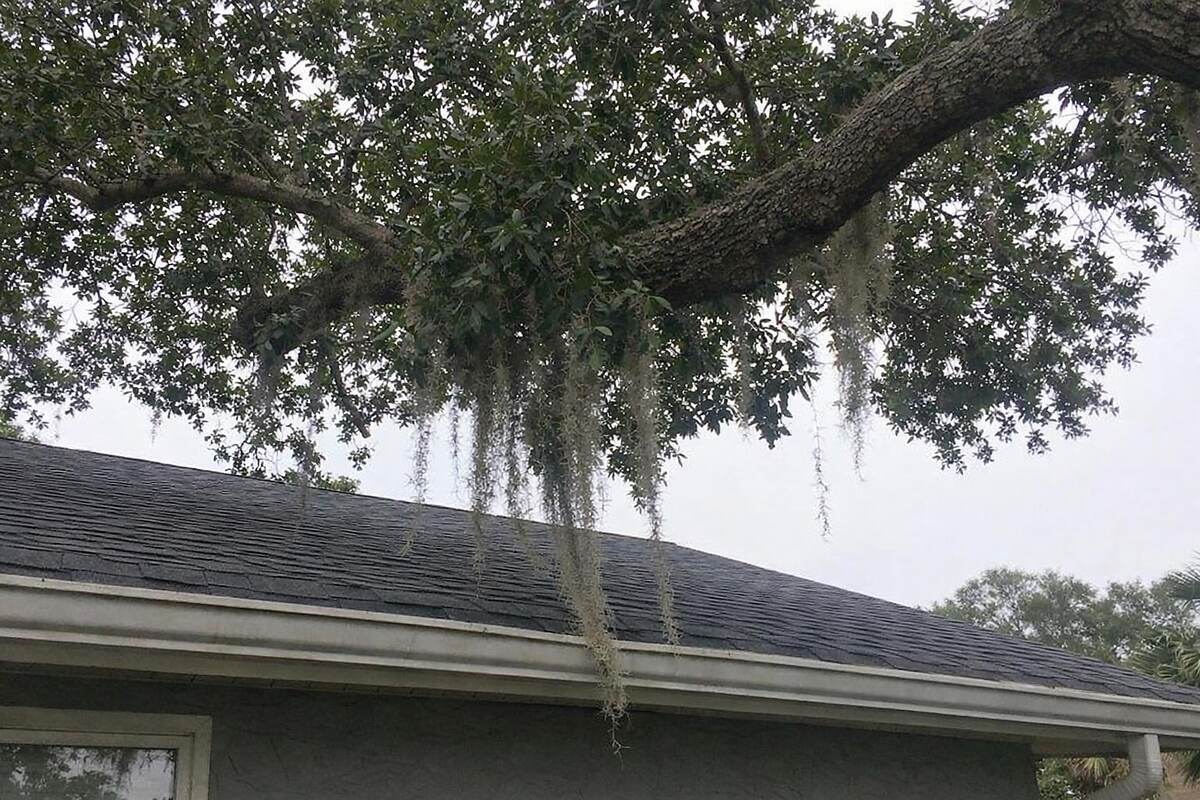
The planting here is young, which is a genuine advantage and a temporary one. The oaks and palms along these streets were planted at handover and mostly do not reach the rooflines yet, so on a lot of Nocatee houses the only routes in are the fence line, the preserve tree line and the service wires rather than a limb resting on the fascia.
That changes in a predictable way. UF/IFAS describes the roof rat as arboreal, moving along branches, wires and palm trunks within about 150 yards of its den, and the subdivisions on the Southside of Jacksonville are the same story twenty-five years further along: trees planted at handover, now resting on the eaves, and houses that were never a problem becoming one. Keeping new trees pruned clear of the roofline from the start is the cheapest rodent work available anywhere in this region.
The practical version: ask the inspection to note which trees are heading for the roof rather than which ones have arrived. On a house in its first decade that list is a maintenance schedule rather than a repair bill.
What We Handle in Nocatee
Every service runs here, though on a house this age the work is usually sealing and trapping rather than restoration.
- Rodent exclusion: soffit returns, vent screens, the line sleeve, rear utility penetrations and the garage seal, closed in steel
- Rodent inspection: the free walk that maps the openings a new house was built with
- Roof rat removal: trapping the attic runs once the roofline is closed
- Norway rat removal: burrow work and ground-level trapping on preserve and swale lots
- Attic cleanup: droppings and nests removed before the material is walked through and spread
- Clearance letters: a dated report for a builder warranty claim, a resale or an association file
- Post-storm inspection: the roofline and the fence line walked again after a wind event
A Typical Nocatee Job
The situation: A 2019 two-story house on a preserve lot, slab, shingle roof, young planted oaks well clear of the eaves and a pine tree line about twenty feet beyond the rear fence. Noise above the upstairs bonus room for ten days, droppings in the garage near a bag of dog food, and owners who assumed a house this new could not have a way in and spent two weeks looking for a food source inside.
What gets done: The ladder walk finds the air conditioning line sleeve unsealed at the rear wall, one soffit return open at a boxed corner where the lower roof meets the second story, and a low-voltage penetration behind the patio with a gap around the conduit. The garage door seal is compressed at both bottom corners. The fence line shows a run worn through the ground cover from the pine line and one burrow mouth in the swale bank. The attic shows a single run of droppings and no compaction worth removing. The penetrations and the return go closed in steel and sealant the same day, the garage seal is replaced, the burrow is collapsed and the ground cover cut back, and traps go on the attic run and in the garage.
How it turns out: Two visits and one check, with sealing and trapping on two lines, no attic cleanup needed and the total in the lower half of the published exclusion band because the opening list was short and reachable. The owners get a note listing which young trees will need pruning away from the roofline within a few years.
What This Costs in Nocatee
A newer house is usually the cheapest version of this job, because the opening list is short, the attic is tall enough to stand in and there is no crawl-space perimeter to measure. The reference bands below are national guidance plus the nearest Florida metro that publishes any.
| Work | Typical band | Source |
|---|---|---|
| Full-home exclusion | $500 to $2,500 | HomeGuide 2026, national |
| Trapping and removal | $250 to $1,200 | HomeGuide 2026, national |
| Removal visit, Tampa | Average $1,078, typical $441 to $1,716 | Angi, nearest Florida metro with published figures |
| Attic cleanup and decontamination | $600 to $2,500 | HomeGuide 2026, national |
| Standalone inspection elsewhere | $0 to $175, Florida average about $162 | HomeGuide 2026 |
Most Nocatee jobs come in low in the exclusion band and often skip the cleanup and insulation lines entirely, because a population that has been in a new attic for a few weeks has not damaged much. A second story adds ladder positions and a large footprint adds returns and junctions, which is what moves a figure up. Every number is confirmed at the free inspection, with trapping and sealing written on separate lines.
Rat holes around a building
What a burrow looks like, and where it leads.
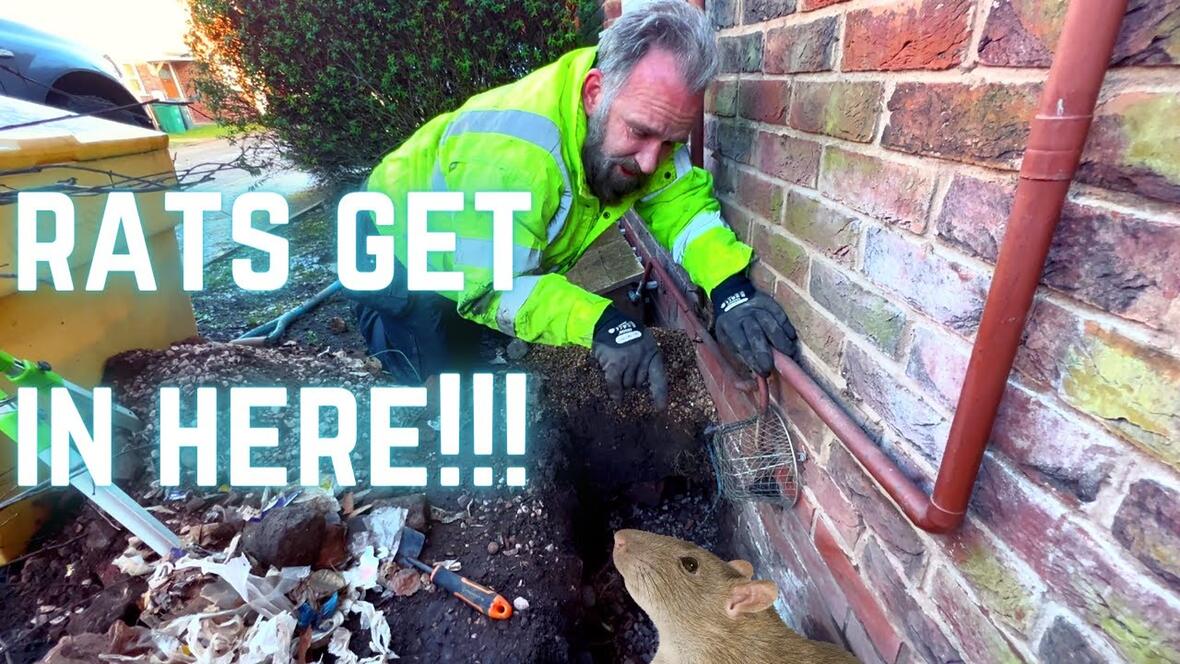
Video: RAT holes around your house? How to stop rats burrowing, from Pest Interceptors.
Common Questions in Nocatee
What Nocatee callers ask about a newer house.
A new house with a problem
How is anything getting into a house this new?
Through details that were built that way. A soffit return is a boxed eave corner with a void behind it, a gable vent is an opening with a screen on it, and the sleeve where the air conditioning line passes through the wall is often never sealed. Add a rear low-voltage or irrigation penetration and a garage door seal that compresses from the first year, and a five-year-old house can have several openings wider than the quarter-inch rat-proofing standard UF/IFAS gives. None of it is deterioration and none of it is visible from the ground, which is why a new house gets measured rather than assumed closed.
Is this the builder's responsibility?
Possibly, and it is worth asking before paying for the sealing, particularly inside a warranty period. An unsealed wall penetration or a mis-set garage seal is arguably incomplete work rather than wear. What helps is documentation: a dated report listing the openings with photographs and the contractor's FDACS license number gives a warranty claim something specific to point at. That document is described on the clearance letter page. Where the builder declines, the sealing is straightforward and usually sits at the low end of the published band.
The preserve
Does backing onto preserve mean this will keep happening?
It means the pressure is permanent and the outcome still depends on your openings. Preserved flatwoods and wetland give cover and burrowing ground that nothing you do will change, so animals will be at the fence line whatever happens. A house closed to the quarter-inch standard is not a destination for them. Alongside the sealing, the useful yard habits are keeping ground cover and mulch back from the foundation, watching swale banks for burrow mouths, and keeping pet food, birdseed and fertilizer in bins with lids rather than in bags in the garage.
What about the trees? They are nowhere near the roof.
That is the advantage of a newer subdivision, and it is worth protecting. UF/IFAS describes roof rats traveling along branches, wires and palm trunks within roughly 150 yards of their den, and the subdivisions built on the Southside of Jacksonville in the 1990s are the same planting twenty-five years on, with limbs now resting on the fascia and houses that were never a problem generating calls. Pruning young oaks and palms to keep them clear of the roofline as they grow, and clearing dead fronds from palm crowns, costs very little and removes the route before it exists.
Still have a question? Call (904) 659-6044 and ask.
Nearby Areas We Serve
The contractors dispatched to Nocatee cover the neighboring St. Johns County communities as well, and the whole Northeast Florida region is inside the service area.
Book a Free Inspection in Nocatee
Say which room the noise is over and whether the lot backs onto preserve. The walk maps the openings a new house was built with, at no charge.