
Rodent Removal in Riverside
Riverside puts both Jacksonville rodent problems on one block: roof rats crossing the oak canopy into original soffits, and Norway rats working up from the riverbank into open crawl spaces under century-old frame houses.
- Crawl-space exclusion specialty
- Historic soffits and piers
- Free inspection, written up
What Riverside houses give a rodent to work with
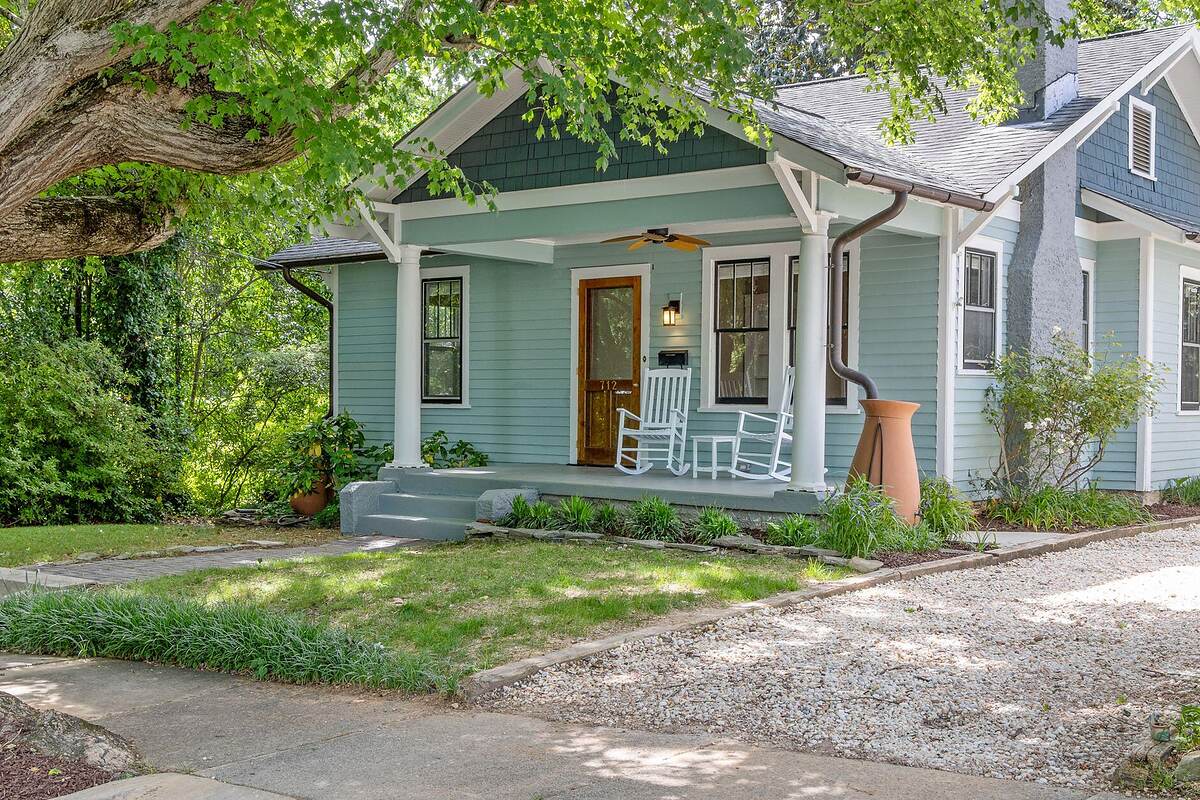
The housing stock here was built between the 1900s and the 1930s, and almost every feature that makes it desirable also makes it reachable. Most of the older streets are wood frame on brick piers with an open crawl space under the floor, original soffit and fascia detailing at the eaves, and utility penetrations that were cut long before anyone thought about screening them. The district is listed on the National Register of Historic Places, so a lot of that original fabric is still original.
Two consequences follow for rodent work. The roofline is a set of hand-built details rather than a modern soffit panel, which means the openings are irregular and a quote that lists them individually is the only kind worth having. And the crawl space is a second building envelope with its own perimeter: vent openings every few feet, skirting that has rotted in places, and the sill gap where the floor framing meets the top of the foundation running the whole way round.
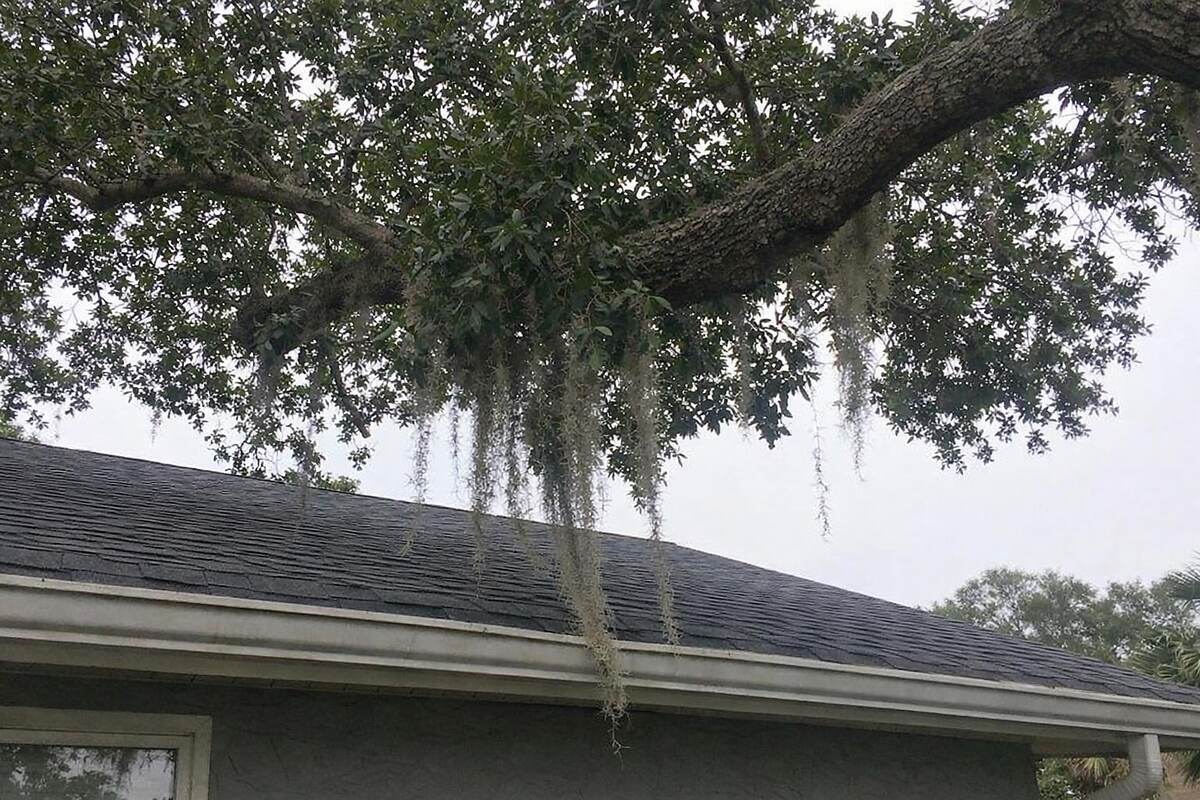
Above all of it sits the canopy. Riverside streets carry mature live oaks hung with Spanish moss, and UF/IFAS describes the roof rat as arboreal, traveling along branches, wires and palm trunks, with a working range of about 150 yards from the den. A limb resting on a fascia board is a road, and on these lots there is usually more than one.
Book a free inspection in Riverside
Give the street and what you are hearing. The dispatcher lines up the contractor who covers this part of the city for a free roofline and crawl-space inspection.
The river end of the problem
Norway rats are the other half of a Riverside call, and they arrive from the ground rather than the canopy. They burrow along banks, seawalls, foundations and dense ground cover, and the neighborhood runs down to the St. Johns River with streets, parks and bulkheads between. Where a crawl space is open and a bank is fifty yards away, the route is short and the animals using it are heavier ground rats rather than the attic species.
High water makes it worse on a schedule nobody controls. Hurricane Irma in September 2017 produced record St. Johns River flooding through Riverside, San Marco and downtown, and a flooded burrow is uninhabitable, so the animals in it move to the nearest dry structure. On these streets the nearest dry structure is a crawl space. The CDC links rises in leptospirosis cases to hurricanes and flooding, names rodents among the animals carrying it, and recommends rodent control as part of the response after a flood.
Reading which species is where is the first thing an inspection does. Droppings a quarter to half an inch long with pointed ends, per UF/IFAS, in the attic, and burrow mouths with smooth runs at the piers, mean two jobs on one house and two lines on the quote. Norway rat removal covers the ground-level half.
What the work looks like on a Riverside block
Exclusion here is a longer job than anywhere else in the city, and the reason is footage rather than difficulty. A historic perimeter with a dozen vent openings, a rotted skirting run and a continuous sill gap is priced by the foot, which is why crawl-space sealing in this district tends toward the upper half of the published band. The roofline adds its own list of soffit returns, gable vents and addition junctions.
- Crawl-space vents rescreened in quarter-inch galvanized hardware cloth, screwed and washered into the masonry rather than stapled
- Skirting and sill gaps closed in sheet metal and steel cloth, with the soft filler always behind steel
- Soffit returns and original eave detailing closed individually, with each opening listed on the quote
- Traps on the attic runs and along the crawl-space sill, left at least a week since roof rats are wary of new objects
- Limbs identified for cutting back from the roofline, which is the one job a homeowner can arrange separately and cheaply
Full-home exclusion runs $500 to $2,500 nationally in HomeGuide's 2026 guide and $550 to $1,642 in Angi's Tampa figures, Tampa being the nearest Florida metro with published data. The exclusion page sets out how the openings are measured and what material goes into each.
What the free inspection covers in Riverside
The visit walks the house from the ridge down to the dirt under the floor, which on a pier-and-beam house is two separate jobs in one appointment. A ladder goes up at each elevation for the soffit line, the gable vents and the roof-to-wall junctions; the attic is worked with a light for droppings, rub marks, flattened insulation and daylight; then the crawl space is entered rather than looked into, because the vents, the sill gap and the burrow mouths at the piers are the half that decides the quote.
The yard is part of it. Limbs over the roof, palm crowns with dead fronds, firewood or debris against the foundation and dense ground cover along the lot line all get noted, because they are the pressure the sealing has to hold against afterward. The written findings list every opening with its proposed closure, and the quote separates trapping, sealing and any attic cleanup onto their own lines.
The inspection costs nothing and produces the document the rest of the job runs on. The inspection page describes the full walk, and the contact page has the hours and the downtown address.
The route in from the sewer line
How a rat travels a drain into a house.
Video: How do rats get out of the sewers and into your home?, from BEEKIND Pest Control.
Why Riverside calls go this way
Three things that matter more here than in a newer part of the city.
-
The crawl space is half the job
On a pier-and-beam house the perimeter under the floor has as many openings as the roofline and a longer run, so it gets entered and measured at the same visit rather than mentioned afterward. Sealing only the roof of a Riverside house leaves the Norway rat route from the riverbank wide open, and the attic goes quiet while the floor does not. Both areas appear on the quote with their own figures.
Rat-proofing standard is a quarter-inch opening, UF/IFAS Extension
-
Original detailing listed opening by opening
Hand-built soffits, original fascia profiles and hundred-year-old utility penetrations produce irregular openings that no standard panel closure fits. The quote names each opening and the material going into it, so the work can be checked against what was sold and so a homeowner keeping the house original knows exactly what is being altered. Steel first and cosmetic repair later is the sequence that preserves both.
Riverside Avondale is listed on the National Register of Historic Places
-
The canopy is treated as part of the building
Mature live oaks over a roof are the reason a sealed house stays under pressure, because a roof rat moves along branches and wires and ranges about 150 yards from its den according to UF/IFAS. The inspection notes which limbs reach the roofline and which palm crowns hold dead fronds, so the cheapest part of the fix, a tree crew with a ladder, is in the homeowner's hands rather than buried in a pest quote.
Roof rats travel branches, wires and palms, about 150 yards from the den, UF/IFAS
A Riverside call that runs a familiar course
The situation: A 1912 frame house two blocks off the river, brick piers, original soffits, two large oaks over the rear roof. Scratching above the back bedroom starting the week the nights first turned cool, a chewed bag of dog food in the laundry room at floor level, and an owner who has been sleeping in the front of the house and has been told she is making too much of it.
What gets done: The attic shows droppings with pointed ends along two joist runs and a soffit return pulled open at the rear fascia where a limb rubs. The crawl space shows something different: a smooth run in the dirt along the front foundation wall, a burrow mouth at the second pier, three vent screens perished at the frames and an open section of skirting at the side. Two species, one house. The quiet openings go closed in steel the same week, traps go into the attic runs and along the crawl-space sill, and the rear soffit return and the side skirting stay open with traps on them until the sign stops.
How it turns out: Three visits over about five weeks, one quote with roofline sealing, crawl-space footage and trapping on separate lines, and the sealing landing in the upper half of the published band because the perimeter is long. The bedroom noise stops in the first week. The owner gets a note about which oak limb to have cut back and a list of the eleven openings that were closed.
Questions from Riverside callers
What comes up most on this side of the city.
The house itself
Can the crawl space be sealed without ruining the ventilation?
Yes, because screening an opening is not the same as closing it. Quarter-inch galvanized hardware cloth fitted over a crawl-space vent keeps the airflow and stops the animal, which is the whole point of using mesh rather than board. What does change the ventilation is encapsulation, which is a moisture job rather than a rodent one and belongs to a different trade. A rodent contractor should be sealing the openings and leaving the vent area working, and the quote should say which openings are being screened and which are being closed solid.
Will the sealing damage original woodwork?
Not if the sequence is steel first and cosmetic repair afterward. Most closures on a historic house are fitted behind or inside the original profile, so hardware cloth sits in the soffit return or the vent frame rather than over the face of it, and sheet metal goes where the material has already failed. Where something has to be cut, it is the least visible face available. Ask for the openings and the materials listed individually on the quote, and say at the start that the house is original, because that changes how a careful contractor fits the work.
Cost and timing
Why is sealing more expensive here than in a newer neighborhood?
Footage. A slab house is a list of separate openings at the roofline; a pier-and-beam house adds a full perimeter under the floor, with vents every few feet, a skirting run and a continuous sill gap, and that part is priced by the foot. HomeGuide's 2026 national band for full-home exclusion is $500 to $2,500, and a Riverside house with a long perimeter generally lands in the upper half of it. The offsetting point is that the work is mostly one-time: once the perimeter is in steel, the annual pressure is on the canopy rather than the foundation.
Does the river flooding mean this will happen again?
High water moves rodents whether or not your house is sealed, so the question is what they find when they arrive. Irma put record St. Johns River levels into this neighborhood in September 2017 and flooded burrows emptied into the nearest dry structures. A house with screened vents, a closed sill line and intact skirting is not one of those structures. After any flood the perimeter is worth walking again rather than assumed, since debris can push a screen out of its frame, and that walk is described on the post-storm inspection page.
Still have a question? Call (904) 659-6044 and ask.
Book a free Riverside inspection
Say which room you hear it in and whether the house has a crawl space. The visit covers the roofline and the perimeter and costs nothing.