Rodent Removal in Green Cove Springs, FL
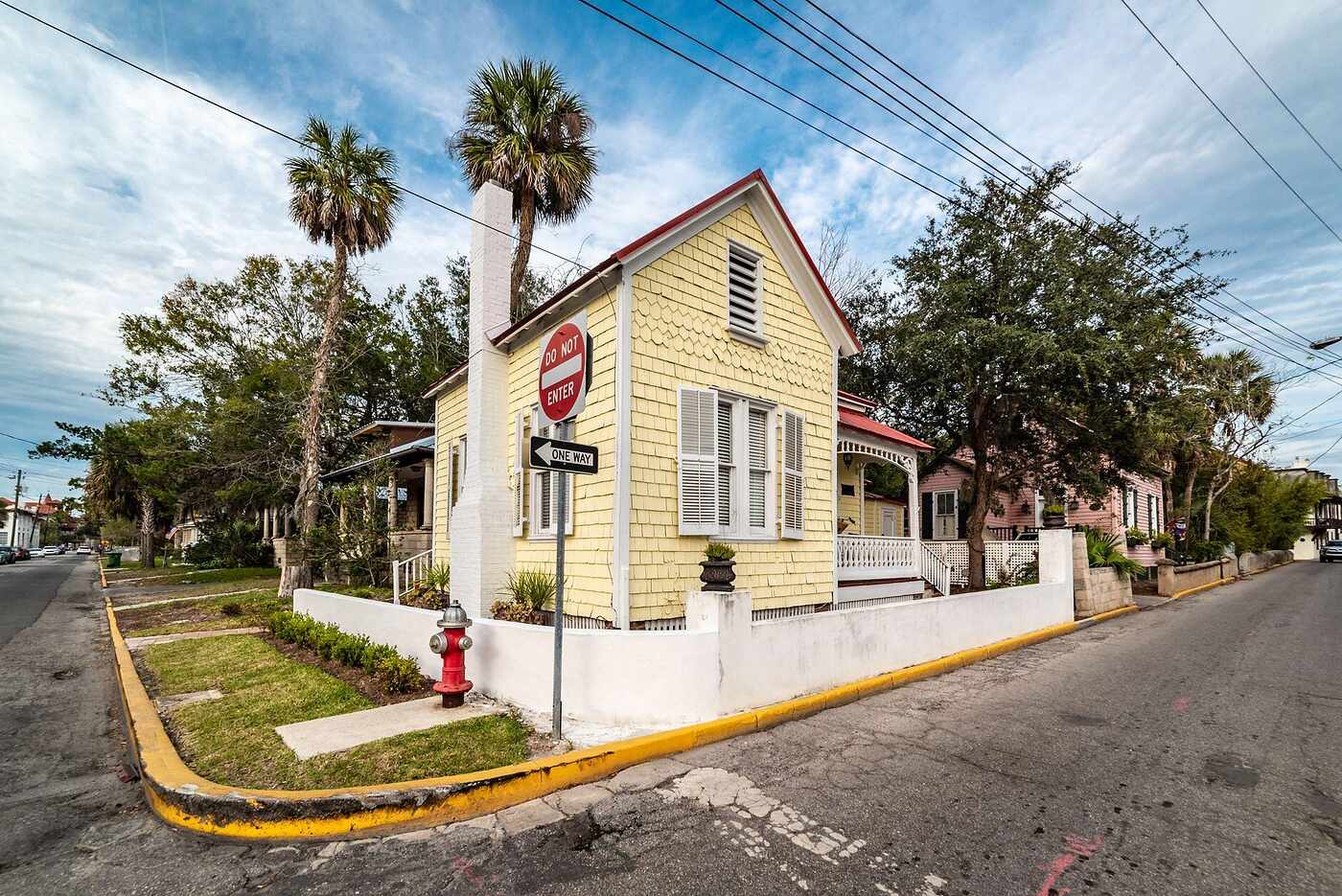
Green Cove Springs is an older river town: frame houses on piers near the water, a small historic commercial core, and the St. Johns River immediately east, which puts ground rats and crawl spaces in the same place.
- Crawl spaces entered
- Riverfront harborage read
- Free inspection, itemized quote
Free Inspection in Green Cove Springs
The free inspection here starts underneath the house where there is a crawl space, because that is where most of this town's rodent problem lives. The contractor enters the under-floor space for vent frames, skirting, the sill line and the ground at the piers, works the roofline from a ladder for the eave line, the vents and the junctions, reads the attic with a light, and finishes at the perimeter and the bank if the property is near the river.
Green Cove Springs is the county seat of Clay County, on the west bank of the St. Johns River along Highway 17, and the Jacksonville contractor network covers it on the same dispatch. Someone answers whatever time you ring, and the inspection carries no charge. Say whether the noise is above you or below you and roughly how old the house is, and the dispatcher books from there. The contact page has the hours.
Book the free Green Cove Springs inspection
Name, number and what you are hearing. A dispatcher calls back to set a time with the contractor who covers Clay County.
Older frame houses and what sits under them
A good share of the housing in and around the town center is older wood-frame construction on brick piers with an open crawl space, alongside later slab houses in the newer subdivisions to the west and south. On the older houses the under-floor space is the larger half of the rodent job, and it is the half most quotes skip.
The openings repeat: vent frames with perished or missing screens, skirting that has rotted or been displaced, the sill line where the floor framing meets the top of the foundation, and plumbing and electrical penetrations cut under the floor over the decades. All of that is priced by the foot rather than by the opening, which is why an older house here costs more to seal than a slab house of the same size.
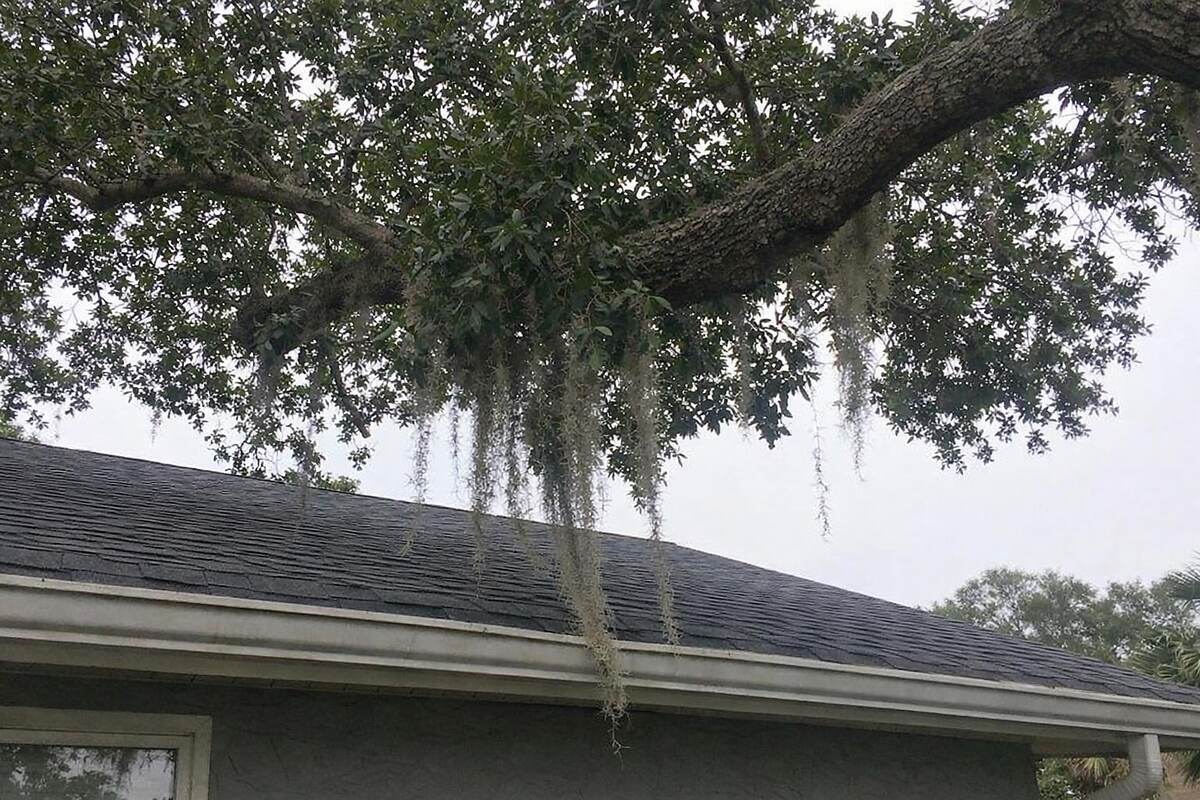
Above the wall these houses behave like any historic Florida stock: original soffit and eave detailing with irregular openings, aged gable vent screens, and junctions where additions meet original roof planes. Closures go behind or inside the original profile where possible, with steel first and cosmetic repair later. The materials are on the exclusion page.
The river, the spring and the ground species
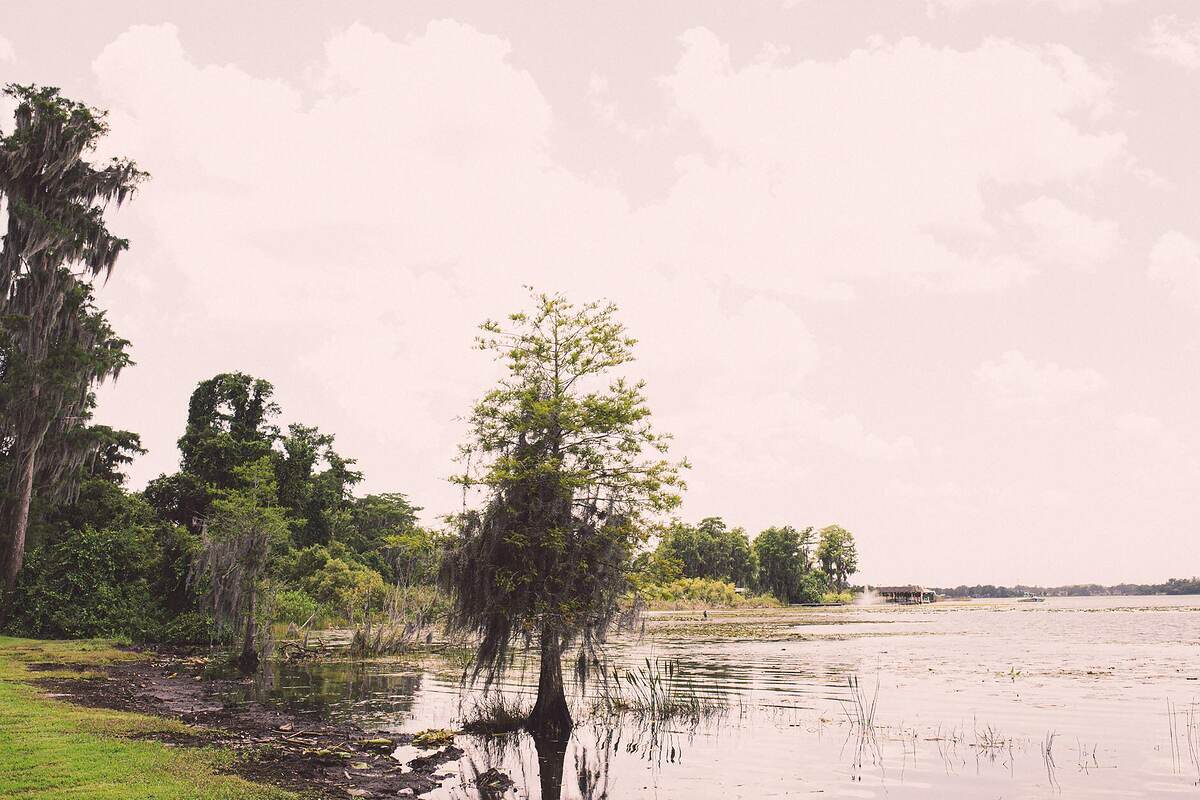
The St. Johns River runs along the eastern edge of the town, with the riverfront park and the spring at its center, and that water edge is continuous Norway rat habitat. They burrow along banks and behind bulkheads, live in dense cover at the waterline, and run short distances into buildings at floor level.
On a pier-and-beam house a few streets from the river, the route is a perished vent screen and the animal is under your floor. The sign is at ground level: smooth runs in the dirt, burrow mouths at the base of a wall or a pier, droppings along a wall in a utility space, and gnawing at the bottom of a door. That is a different animal and a different job from the roof rat running overhead after dark.
River levels rise, and Jacksonville's flood exposure along the St. Johns is river-driven as much as coastal. When a burrow floods the animals in it move to the nearest dry structure. The CDC links rises in leptospirosis cases to hurricanes and flooding, names rodents among the animals carrying it, and recommends rodent control as part of the response afterward. Ground-level work is on the Norway rat page.
The commercial core and older municipal buildings
The town has a small historic downtown of masonry storefronts with food service, offices and county business in and around it, and that concentration produces commercial rodent pressure of the usual kind: service alleys, shared waste areas, long-established harborage behind old masonry, and a river bank a short distance away.
The work on those premises starts outside, with the waste area, the alley and the bank, then moves to the openings at floor level, the door seals and the service penetrations. Interior work is trapping and monitoring rather than open bait, which around food handling is the wrong tool and a regulated one: under Chapter 482 of the Florida Statutes, rodenticide application requires an FDACS pest control business license with a certified operator.
The other requirement on a commercial property is documentation: dated visit records with findings, actions and photographs that an inspector, an insurer or a landlord can read months later. Commercial scope and the reporting standard are described on the commercial page.
What We Handle in Green Cove Springs
Every service runs here, with the under-floor work and the riverfront being the two conditions that shape most jobs.
- Rodent exclusion: crawl-space vents, skirting and sill lines by the foot, plus roofline openings individually
- Norway rat removal: burrow collapsing and ground-level trapping on riverfront and bank-side properties
- Roof rat removal: attic trapping on the marked runs once the eave line is closed
- Rodent inspection: the free walk that enters the crawl space rather than looking into it
- Commercial rodent control: downtown storefronts, food service and offices, with documented visits
- Attic cleanup: droppings, nests and soiled insulation out of an older attic, then treated
- Clearance letters: a dated report for a sale, a lease or a county or insurance file
A Typical Green Cove Springs Job
The situation: A 1920s frame house three streets back from the riverfront, brick piers, a vented crawl space and a detached garage at the rear. Movement under the front room floor in the evenings through a cool spell, droppings found on the garage floor, and an owner who had a company out in the spring that set traps in the attic, caught nothing and never went underneath.
What gets done: The crawl space takes most of the visit and explains the spring failure: a run worn the length of the front foundation, a burrow mouth at the second pier, four vent frames with screens gone and a displaced section of skirting at the side. The attic is clean, which is why the earlier traps caught nothing. Burrows are collapsed and the ground cover is cut back from the wall, the vent frames are screened in quarter-inch galvanized cloth with stainless fixings, the skirting is closed in sheet metal, traps go along the crawl-space sill and inside the garage, and the last skirting section closes on the second visit.
How it turns out: Two visits and a check two weeks later, with the under-floor footage, the garage and the trapping on three lines, no attic work quoted, and the figure in the upper half of the published exclusion band because the perimeter on a house of this age is long. The front room is quiet after the first check, and the owner has photographs of every closure.
What This Costs in Green Cove Springs
An older house on piers sits at the expensive end of this work and a newer slab house at the cheap end, with the same published bands covering both. The figures below are national guidance plus the nearest Florida metro with published data.
| Work | Typical band | Source |
|---|---|---|
| Full-home exclusion | $500 to $2,500 | HomeGuide 2026, national |
| Exclusion, Tampa | $550 to $1,642 | Angi, nearest Florida metro with published figures |
| Trapping and removal | $250 to $1,200 | HomeGuide 2026, national |
| Attic cleanup and decontamination | $600 to $2,500 | HomeGuide 2026, national |
| Standalone inspection elsewhere | $0 to $175, Florida average about $162 | HomeGuide 2026 |
The long crawl-space perimeter is what pushes an older Green Cove Springs house up the band, and restricted access under a low floor adds time on top of footage. A slab house in one of the newer subdivisions west of town is a short roofline list and lands low. The free inspection is worth noting on its own terms here, since the Florida average for a standalone inspection is around $162 and several companies covering this area charge for the visit.
Keeping rodents out once they are gone
Three approaches, and why sealing is the one that lasts.
Video: 3 Ways To Get Rid Of Mice or Rats, And Keep Them Out!, from Everything Homestead.
Common Questions in Green Cove Springs
What callers from the town and the surrounding area ask.
Under the floor
A company set traps in my attic and caught nothing. Why?
Most often because the animals were never in the attic. On a pier-and-beam house near the river the usual species is the Norway rat, which lives under the floor and in the crawl space rather than overhead, so attic traps sit in an empty space for weeks. The tell is where you hear it: movement below you, droppings along walls at floor level, burrow mouths at the piers. Any quote on a house like this should be written after somebody has entered the crawl space rather than after looking in through the access panel, and the traps belong along the sill.
Is screening the crawl-space vents going to cause damp?
No, because a screen keeps the airflow and stops the animal, which is the reason quarter-inch hardware cloth is used rather than board. What changes the ventilation is encapsulation or closing vents solid, which is a moisture job for a different trade and not part of rodent work. A rodent contractor should be screening the openings and leaving the vent area working, and the quote should say which openings are screened and which are closed solid. On a damp perimeter the fixings matter too: heavily galvanized or stainless, screwed and washered rather than stapled.
The river and the town
We are three streets from the river. Is that close enough to matter?
Yes. Norway rats burrow along banks and behind bulkheads and range over a neighborhood rather than a lot, so a few streets is a short commute, particularly when the houses between offer open crawl spaces on the way. What decides your outcome is still your own openings: screened vents, a closed sill line and sound skirting take the route to a dead end. After any river flooding the perimeter is worth walking again rather than assumed, because moving water pushes screens out of their frames and leaves closures that were sound last season wide open.
Can a business downtown get something in writing for inspections?
Yes, and it is part of a commercial job rather than an extra. Each attendance produces a dated record covering findings by area with the evidence described, the actions taken and devices placed, any product applied with its target and location, photographs, and the recommendations the site has not yet acted on. The FDACS credential of the business and of whoever attended appears on the document and can be verified on the state license search. Ask to see a sample record before signing anything, which is the most revealing question a commercial site can ask.
Still have a question? Call (904) 659-6044 and ask.
Nearby Areas We Serve
The contractors dispatched to Green Cove Springs cover the neighboring Clay County communities as well, and the whole Northeast Florida region is inside the service area.
Book a Free Inspection in Green Cove Springs
Say whether you hear it above or below and roughly how old the house is. The walk enters the crawl space and the attic and costs nothing.