Rodent Removal in Avondale
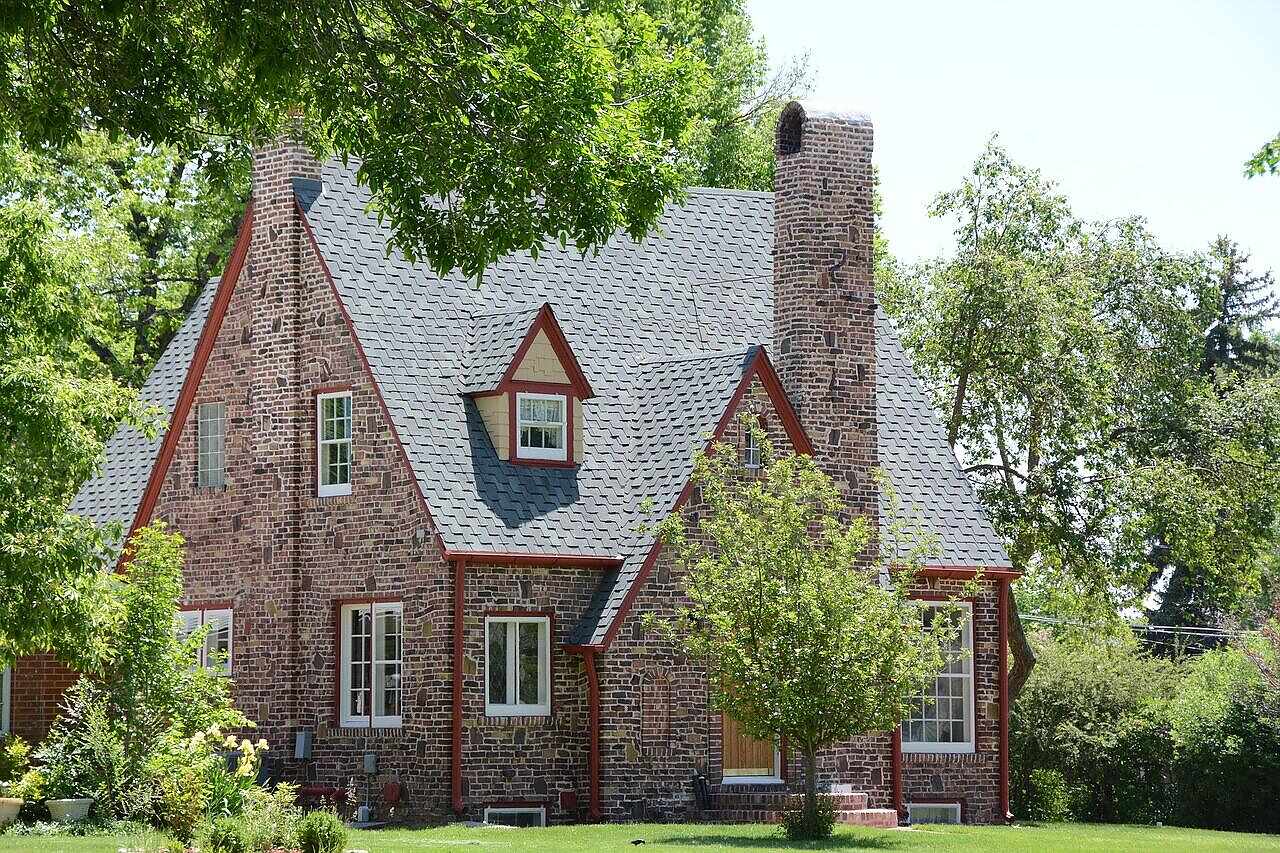
Avondale's 1920s masonry houses sit on piers under heavy oak canopy, which gives a rat a route in at the eaves and a dry space to nest under the floor. Sealing both, in steel, is what ends the call.
- Masonry and pier construction
- Perimeter measured by the foot
- Quote with separate lines
Masonry over a crawl space, and what that changes
Avondale was largely built in the 1920s and 1930s, and the masonry construction that distinguishes it from the older frame streets of Riverside changes the rodent job in two specific ways. The walls themselves are not chewable, so nothing gets in through the fabric. What gets in uses the openings: vent frames, the sill line where the floor framing sits on the foundation, the penetrations for plumbing and electrical service, and the eave.
The other difference is the fixing. Screwing quarter-inch hardware cloth into masonry at grade is a different job from screwing it into a wood vent frame, and the fixings matter more because a crawl space stays damp. Heavily galvanized or stainless fixings in a masonry vent frame hold for years; plated screws in mortar do not, and a closure that rusts out is a closure that reopens.
Above the wall the house behaves like any other historic Jacksonville property. Original soffit and fascia detailing, gable vents with age on the screens, and junctions where a rear addition meets the original roof plane. The district is on the National Register of Historic Places, which means the original fabric is mostly still there to be worked around rather than replaced.
Book a free inspection in Avondale
Give the street and what you are hearing. The dispatcher lines up the contractor who covers this part of the city for a free roofline and crawl-space inspection.
The oak canopy on these streets
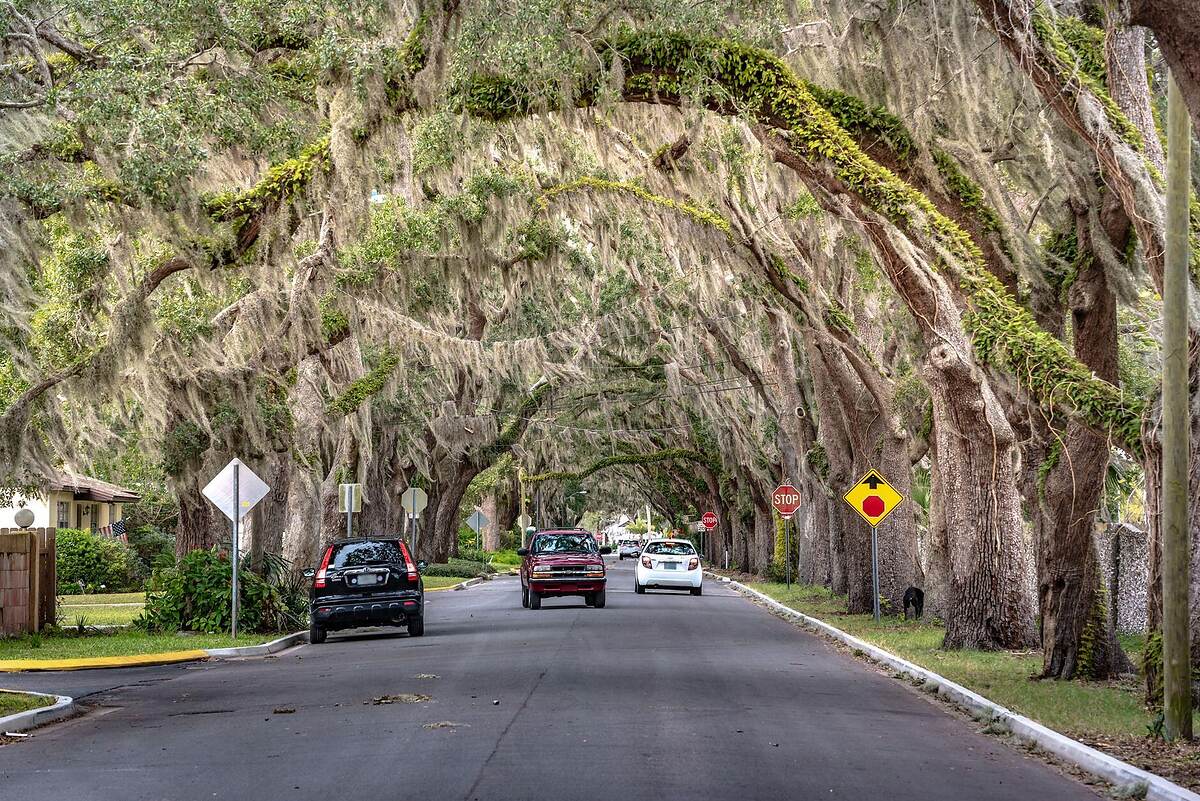
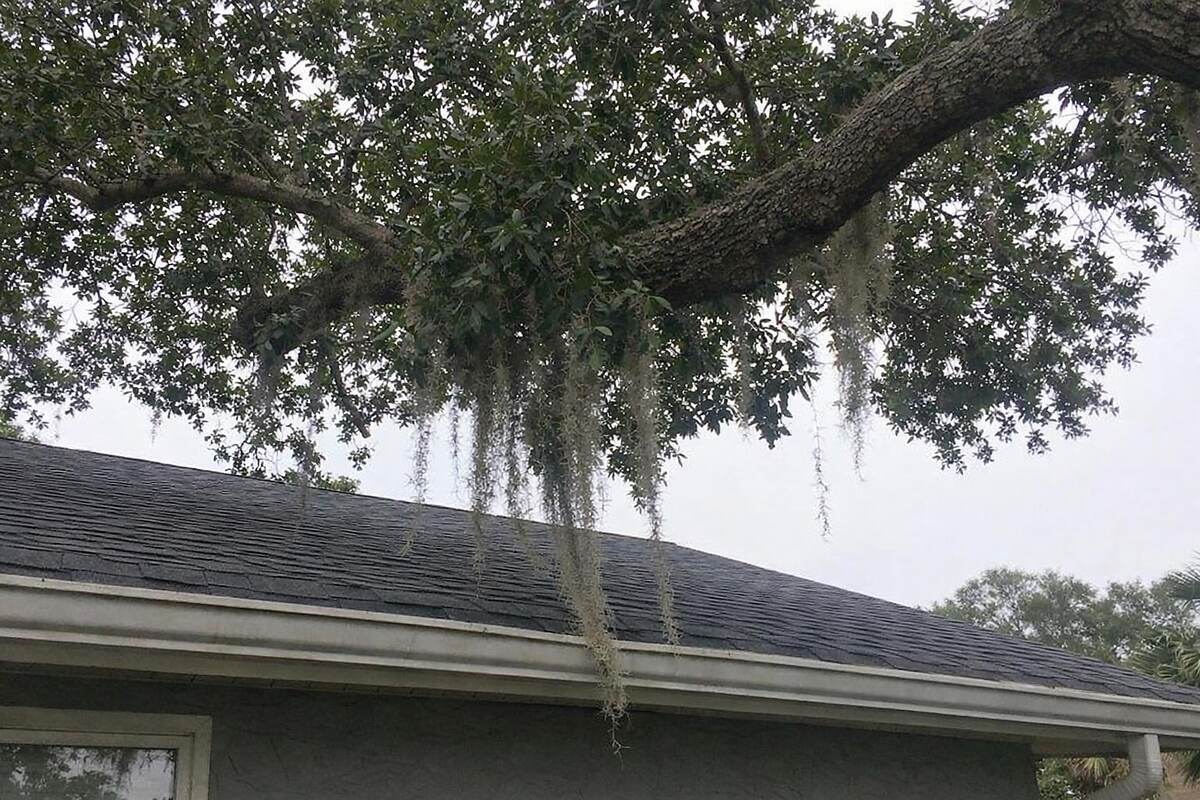
The tree cover along St. Johns Avenue and the streets running off it is the neighborhood's signature, and it is also the delivery system. UF/IFAS describes the roof rat as arboreal, moving along branches, wires and palm trunks and working within roughly 150 yards of its den, so a canopy that closes over a street puts every roof inside reach of several yards at once. Where a limb rests on a fascia board the animal does not even have to jump.
That range figure is the reason sealing matters more than trapping here. Removing the animals in one attic while the canopy still connects a dozen properties changes nothing for long, because the supply is neighborhood-wide. Closing the openings on your own house is the part you control, and cutting limbs back from the roofline is the part that reduces the pressure.
The second canopy job is palms. Dead fronds held in a crown make a nest site a few feet from a roof, and clearing them is cheap work for a tree crew. Neither of those jobs belongs in a rodent quote, and an inspection that notes them is handing you the inexpensive half of the fix.
When Avondale calls arrive
The pattern follows the weather rather than the calendar. Rodents breed year round in Northeast Florida, but operators across Jacksonville report the same indoor peak from the first cold snap in October through February, as nights cool and animals that have been living in a crown, a bank or a garage look for somewhere warmer. A lot of Avondale calls start the week after the first properly cool night.
Two things make that arrival quick once it starts. UF/IFAS puts roof rat gestation at 21 to 23 days, with litters of five to eight and four or five litters a year, and sexual maturity at three to four months. A population that establishes in November is a materially different job in February, which is the argument for calling when the noise starts rather than waiting to see whether it continues.
The second trigger is water. This part of the city runs down to the St. Johns River, and Hurricane Irma in September 2017 produced record river flooding through Riverside, San Marco and downtown. Flooded burrows empty into dry structures, and on a street of pier-and-beam houses the dry structure is the crawl space.
What the free inspection covers in Avondale
The walk covers two envelopes on one visit, because a house on piers has a roof and a floor that both need reading. A ladder goes up at each elevation for the soffit line, the gable vents and the junctions where an addition meets the original roof; the attic is worked with a light for droppings, rub marks, flattened insulation and daylight; and the crawl space is entered to check the vent frames, the sill line, the service penetrations and the ground at the piers for burrow mouths and runs.
The detached garages common on these lots get the same treatment, because a garage with a worn door seal is where a lot of the ground-level activity shows first. The yard is recorded too: limbs on the roof, palm crowns, firewood against a wall, and any dense ground cover along the lot line.
Findings come back as a list of openings with a proposed closure for each, and the quote keeps trapping, sealing and any attic work on separate lines so each can be judged on its own. The walk itself is described on the inspection page, and exclusion covers the materials.
Materials that keep rodents out
A comparison of what actually holds at a gap.
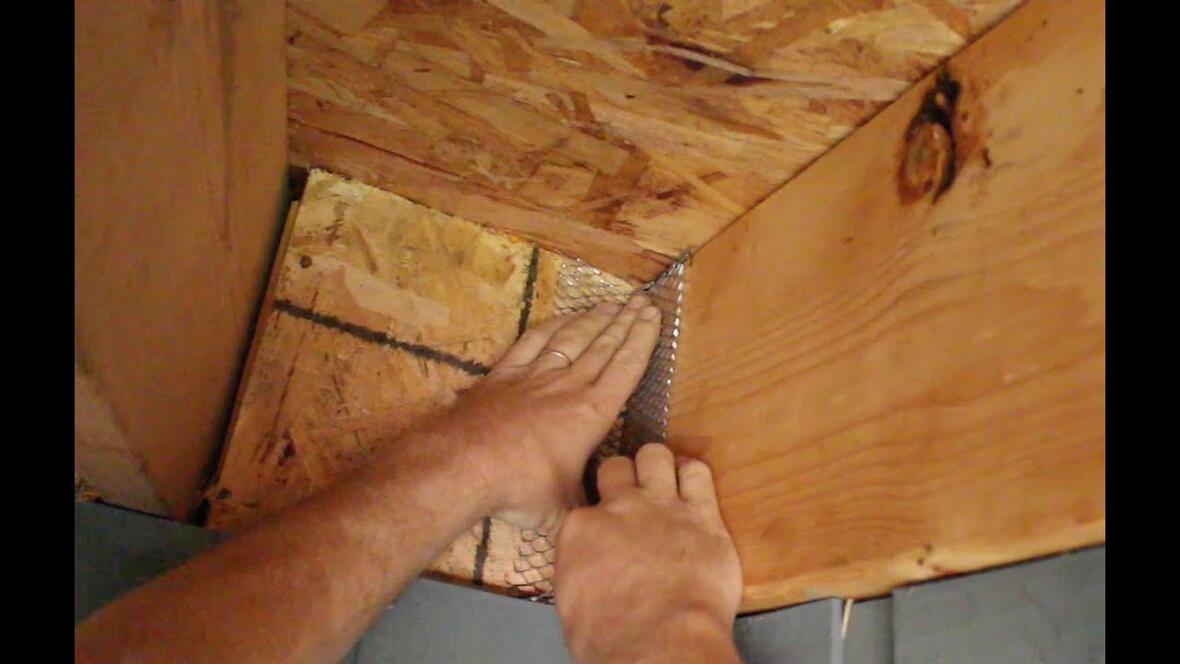
Video: How to keep mice out. Cheaper than hardware cloth, from Ontario Lakeside.
What an Avondale job should include
Three points worth settling before the work starts.
-
Fixings chosen for a damp perimeter
Quarter-inch galvanized hardware cloth screwed and washered into a masonry vent frame, with heavily galvanized or stainless fixings, holds in a crawl space that stays humid most of the year. Plated screws in mortar rust out and the closure loosens, which is how a sealed house becomes an open one without anybody touching it. The quote names the material for each opening, so this is a checkable detail rather than a promise.
Rat-proofing standard is a quarter-inch opening, UF/IFAS Extension
-
The canopy handed back as a separate job
Limbs touching the roofline and palm crowns holding dead fronds are noted on the report and left to a tree crew rather than folded into a pest quote, because that is the cheapest part of the whole fix and it belongs to the homeowner. A roof rat works along branches and wires within about 150 yards of its den, so reducing the routes matters as much as closing the openings they lead to.
Roof rats are arboreal and range about 150 yards from the den, UF/IFAS
-
Bands printed before the visit
Full-home exclusion runs $500 to $2,500 in HomeGuide's 2026 national guide, and Angi's figures for Tampa, the nearest Florida metro that publishes any, show exclusion at $550 to $1,642 and a removal visit averaging $1,078. Those numbers are in print before anyone arrives, so the quote has something to be read against, and where a long pier perimeter pushes a job up the band the footage is the stated reason.
Exclusion $550 to $1,642 in Tampa, the nearest Florida metro with published figures, Angi
How an Avondale job usually unfolds
The situation: A 1926 brick house near Boone Park, piers and a vented crawl space, a detached garage at the rear and oaks closing over the street. Movement overhead in the evenings since the first cool week, droppings found on a shelf in the garage, and a previous attempt where a handyman foamed two gaps at the eave and both were open again within a month.
What gets done: The measuring walk lists nine openings. At the roofline: two soffit returns pulled at the fascia where limbs rub, a gable vent with a perished screen, and the junction where the rear addition meets the original roof. Underneath: four crawl-space vent frames with failed screens and an open service penetration behind the kitchen. The garage adds a worn door seal at one corner. The foamed patches are cut out and redone in quarter-inch cloth behind the original profile. Everything quiet is closed first; one soffit return and one vent stay open with traps on them and close on the second visit.
How it turns out: Two working days and a return check three weeks later, with the roofline closures, the crawl-space footage and the trapping on three lines and the total sitting in the middle of the published exclusion band. The owner arranges a tree crew for two limbs and a palm crown, which is the part that keeps the pressure off the new steel. The evening noise stops after the first trap check.
Questions from Avondale callers
What people on these streets ask first.
Working on an older house
The walls are brick. How are they getting in?
Through the openings rather than the fabric, which is why a masonry house still needs a full measuring walk. The usual list is crawl-space vent frames with perished screens, the sill line where the floor framing sits on the foundation, service penetrations for plumbing and electrical, the soffit returns at the eave, and gable vents. On a lot with a detached garage the door seal at the corners is often the first place droppings appear. Masonry removes the chewing problem and leaves the geometry problem, and the geometry is what the quote lists opening by opening.
Do I need a different contractor for a historic house?
You need one willing to fit closures behind the original profile and to list them individually, which is a working method rather than a specialty. Say at the first call that the house is original, because it changes how the work is fitted: hardware cloth inside a soffit return rather than over the face of it, sheet metal only where material has already failed, and cosmetic repair left for later or for a carpenter. The credential is the same either way: under Chapter 482 of the Florida Statutes, trapping rats or mice in a structure for pay requires at minimum the FDACS Limited Commercial Wildlife Management certification.
Timing and what follows
It started the week it got cold. Is that a coincidence?
No, and it is one of the few Jacksonville patterns everyone working here agrees on. Breeding runs year round, but the move indoors peaks from the first cold snap in October through February as nights cool. That is why calls on these streets cluster in late fall. The practical point is speed: UF/IFAS puts gestation at 21 to 23 days with litters of five to eight and four or five litters a year, so a population that arrives in November is a bigger job in February. No figure exists for the size of the seasonal spike, and none is offered here.
Will the attic need cleaning afterward?
Only where the material has failed, and the photographs decide it bay by bay. A short occupation usually leaves droppings along a run or two and otherwise intact insulation, which is a vacuum and treat job. A longer one leaves flattened runs, staining and nesting material at the top plates, and the Department of Energy's position applies to those bays: compressed insulation does not deliver its rated R-value and wet insulation performs poorly. HomeGuide's 2026 national band for cleanup and decontamination is $600 to $2,500, and it is quoted separately so it can be declined.
Still have a question? Call (904) 659-6044 and ask.
Book a free Avondale inspection
Describe where you hear it and whether there is a crawl space or a detached garage. The visit covers all of it at no charge.