
About Rodent Removal Jacksonville
One phone number, answered around the clock, that puts a Northeast Florida homeowner in front of a certified rodent contractor with a free inspection and an itemized quote.
- Downtown office on West Adams
- Four-county coverage
- Credentials you can verify
What the phone line is for
The number on every page reaches a dispatcher 24 hours a day, and the job of that call is to work out what has happened at the property and get the response moving. You describe what you hear or smell, where in the house, what time of day and for how long. That narrows the species before anyone drives out, and it decides whether the first visit is a routine roofline walk or a crawl-space job that needs a different contractor.
From there the nearest certified contractor is lined up for a free inspection. The inspection is the product: a walk of the roofline, the attic, the crawl space where the house has one, the garage and the yard down to the seawall, with every opening recorded, and an itemized quote written from it with trapping, sealing and cleanup on separate lines.
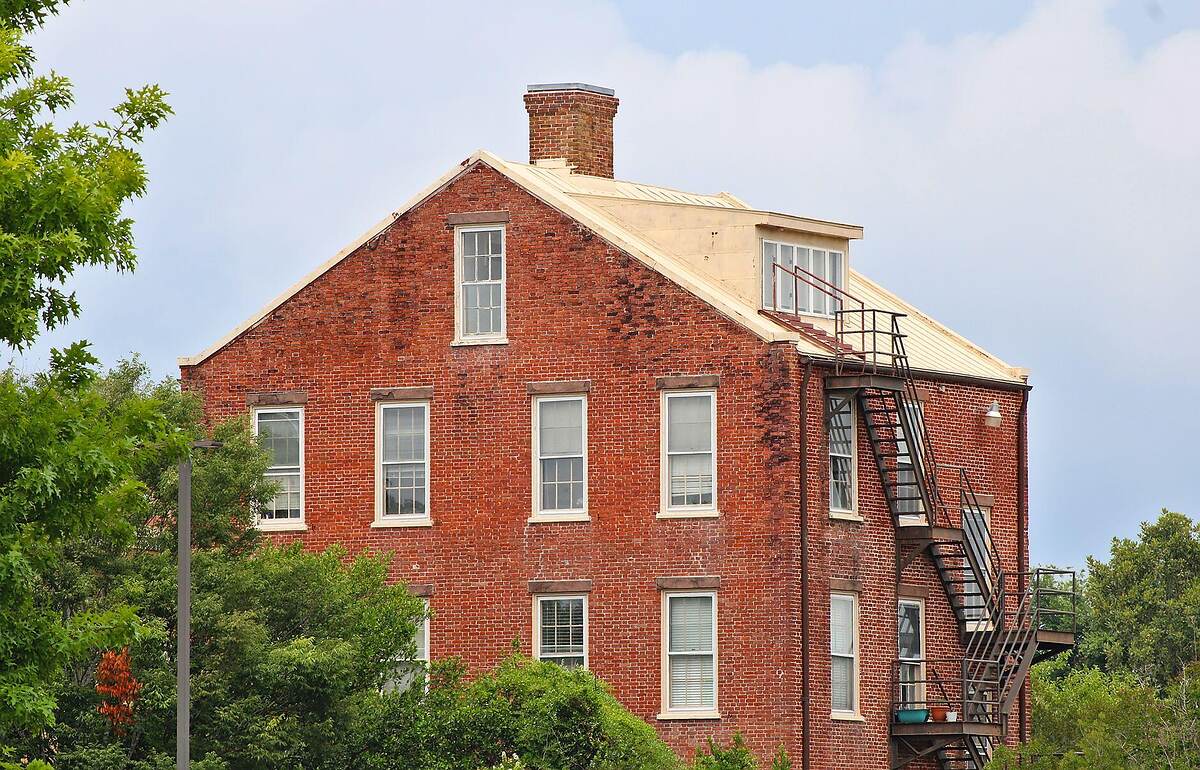
The office is at 300 W Adams St, downtown, in a 1927 building a block from the Duval County Courthouse and City Hall. Anything in writing goes through the contact form, and no price is set from a form on its own.
Send the details and get a call back
Name, phone, and what is going on. The dispatcher who answers the phone reads the form too.
What to expect on the job
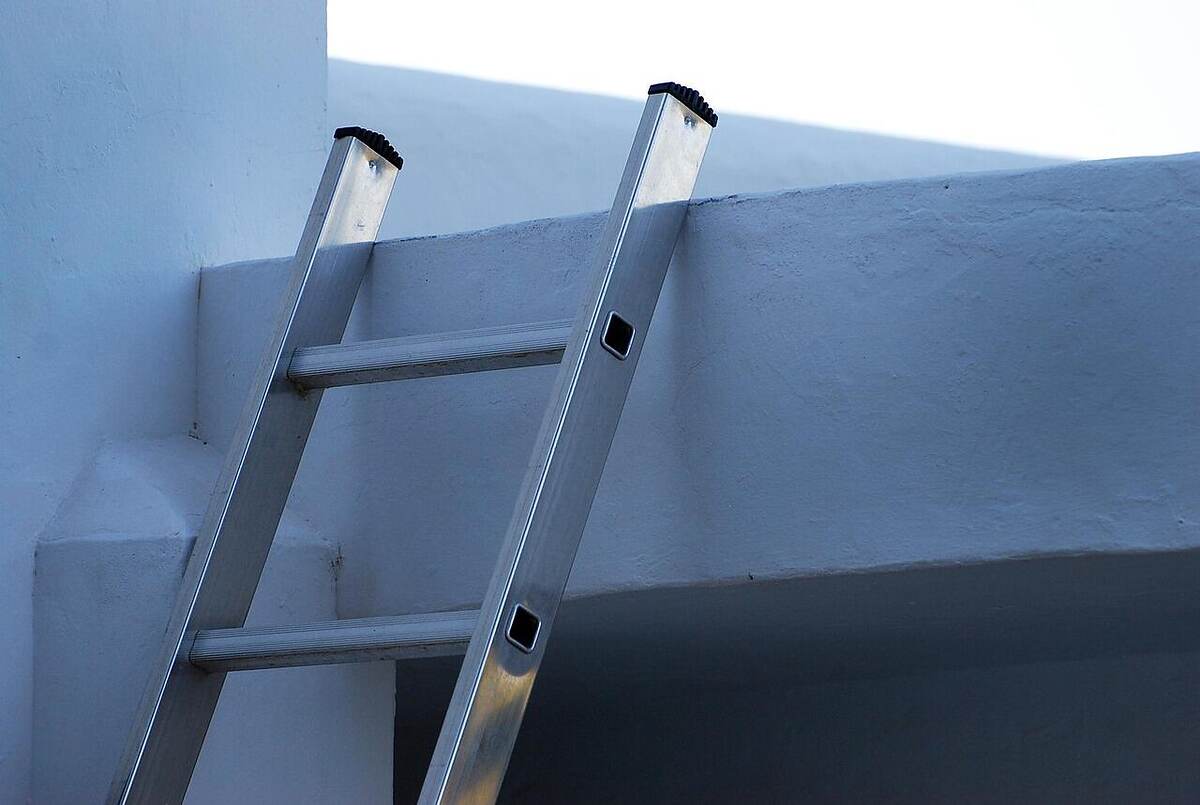
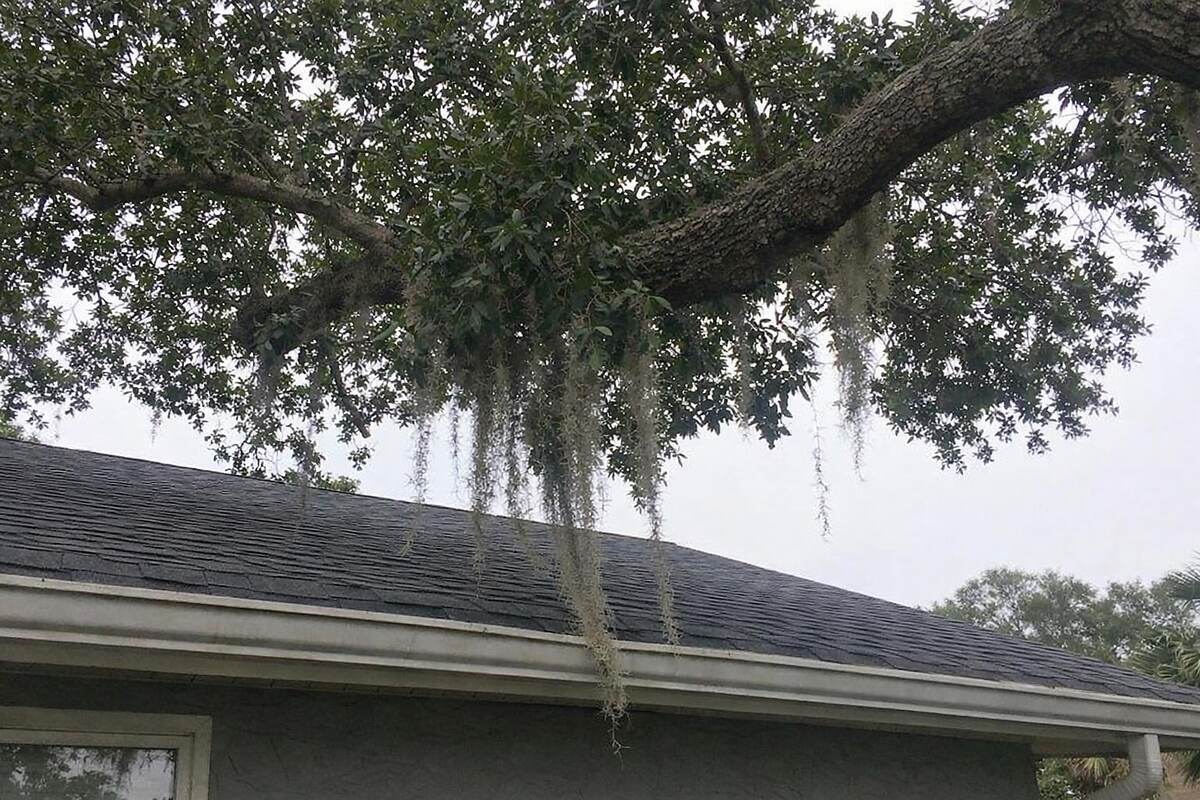
Expect a ladder at the eave and a crawl through the foundation vents before anyone talks about traps, because on a Jacksonville house the way in can be above head height or below the floor. Soffit returns, gable and off-ridge vents, the roof-to-wall junction and the AC line sleeve are checked from the ladder; vent screens, skirting and the sill gap are checked from underneath; then the attic for droppings, rub marks and flattened insulation.
Expect the sealing to be explained before it is sold. Galvanized hardware cloth at the quarter-inch standard, sheet metal, and new screened vent covers are the materials that hold; a bead of expanding foam on its own is what a cheap quote usually means. Expect the traps to stay put for at least a week, since UF/IFAS notes roof rats are wary of new objects, and expect the last openings to be closed only after the activity stops.
Expect a straight answer on duration. The 2026 HomeGuide figures run from two or three days where only a few animals are involved to one or two months on a heavy case, and it is the sealing that puts a limit on either.
The credential to check before work starts
Rodent work in Florida is regulated by the Florida Department of Agriculture and Consumer Services under Chapter 482 of the Florida Statutes. Trapping rats or mice in, on or under a structure for compensation requires at minimum the Limited Commercial Wildlife Management Personnel certification, the LW certificate under section 482.157. Applying rodenticide or running a general pest control business requires a pest control business license with a certified operator in the General Household Pest category. The Florida Fish and Wildlife Conservation Commission requires no permit for rats and mice.
Every contractor we route holds the credential the job needs. Ask whoever attends for the number and confirm it on the FDACS license search, and ask to see proof of insurance. A contractor who hesitates at the question has told you something.
Homeowners who have been through this pass three questions around, and all three are worth putting to whoever attends. Which items are inside the price and which are separate lines. How many return visits the figure covers. And what happens, in writing, if activity starts again after the sealing.
Where contractors are dispatched
Jacksonville and the rest of Duval County, the Beaches, and the surrounding towns in St. Johns, Clay and Nassau counties. The pier-and-beam districts of Riverside, Avondale and San Marco produce the crawl-space and Norway rat calls; the slab subdivisions of Mandarin, Southside and Arlington produce the roofline calls. Every area has a page under locations.
Restaurants, warehouses and older riverfront commercial buildings are covered under commercial rodent control.
What the call gets you
Three things that hold on every job, whichever contractor takes it.
-
A dispatcher first, then a certified contractor
The number is answered around the clock by a dispatcher whose job is to work out what has happened at the property and line up the nearest contractor with the right FDACS credential. What comes back is the name of a contractor, a window for the free visit, and afterward a written quote with each item on its own line. Nothing is sold on the phone and nothing is quoted from a form alone.
Phone answered 24 hours a day, every day
-
Crawl spaces count here
Jacksonville has more pier-and-beam houses than any other Florida metro this network serves: the 1900s to 1930s districts of Riverside, Avondale, Ortega and Springfield and the 1950s ranches of Arlington and the Westside. Exclusion on those houses means vent screens, skirting and sill gaps as well as the roofline, and the inspection is written to cover both.
Gestation 21 to 23 days and litters of 5 to 8, UF/IFAS, which is why a missed gap matters
-
Numbers you can hold a quote against
HomeGuide's 2026 national bands are printed on every service page, framed as typical-job ranges confirmed at the free inspection, with Angi's Tampa figures alongside as the nearest Florida metro with published data. A homeowner who knows that trapping and removal usually lands between $250 and $1,200 nationally can ask why a figure sits outside the band.
Trapping and removal $250 to $1,200, HomeGuide 2026
What happens after you call
Five steps, the same on every job, with the sealing in the middle where it belongs.
-
Call and describe it
Where the noise is, what time, how long, and what you have found. That narrows the species before anyone drives out.
-
Free inspection
Roofline, attic, crawl space, garage and yard walked with a ladder and a light, every opening recorded, a written quote with separate lines.
-
Seal the unused openings
Steel mesh, sheet metal and screened vents close everything except the runs still in use, so nothing is shut inside.
-
Trap what is still inside
Snap traps on the active runs, left at least a week because roof rats are wary of new objects, checked and reset on a schedule.
-
Close the last runs and restore
When the sign stops, the openings that were held open get sealed, and any attic clearing or fresh insulation is quoted from what the photographs show.
Ready to stop the scratching?
The line takes calls at any hour. Send the form instead and a dispatcher rings back to set the free visit.