Rodent Removal in Fernandina Beach, FL
Fernandina Beach puts a Victorian-era historic district, a working waterfront and salt marsh within a few blocks of each other, which means raised floors, irregular original openings and ground rats from the river.
- Historic raised floors
- Waterfront and marsh read
- Free inspection, written up
Free Inspection in Fernandina Beach
The free inspection on an Amelia Island property is a two-envelope job, because most of the older stock sits above a crawl space. The contractor enters the under-floor space for vent frames, skirting, the sill line and the ground at the piers, walks the roofline from a ladder for the eave detailing, the vents and the junctions between roof planes, reads the attic with a light, and finishes at the perimeter, the outbuildings and the marsh or waterfront edge.
Fernandina Beach is in Nassau County, roughly thirty-five miles north of downtown Jacksonville by A1A and the interstate, and the Jacksonville contractor network covers it on the same dispatch. The phone is answered 24 hours a day. Say whether the noise is above you or below you and roughly how old the house is, since those two answers set most of the quote, and a dispatcher books the visit. Hours are on the contact page.
Book the free Fernandina Beach inspection
Name, number and what you are hearing. A dispatcher calls back to set a time with the contractor who covers Nassau County.
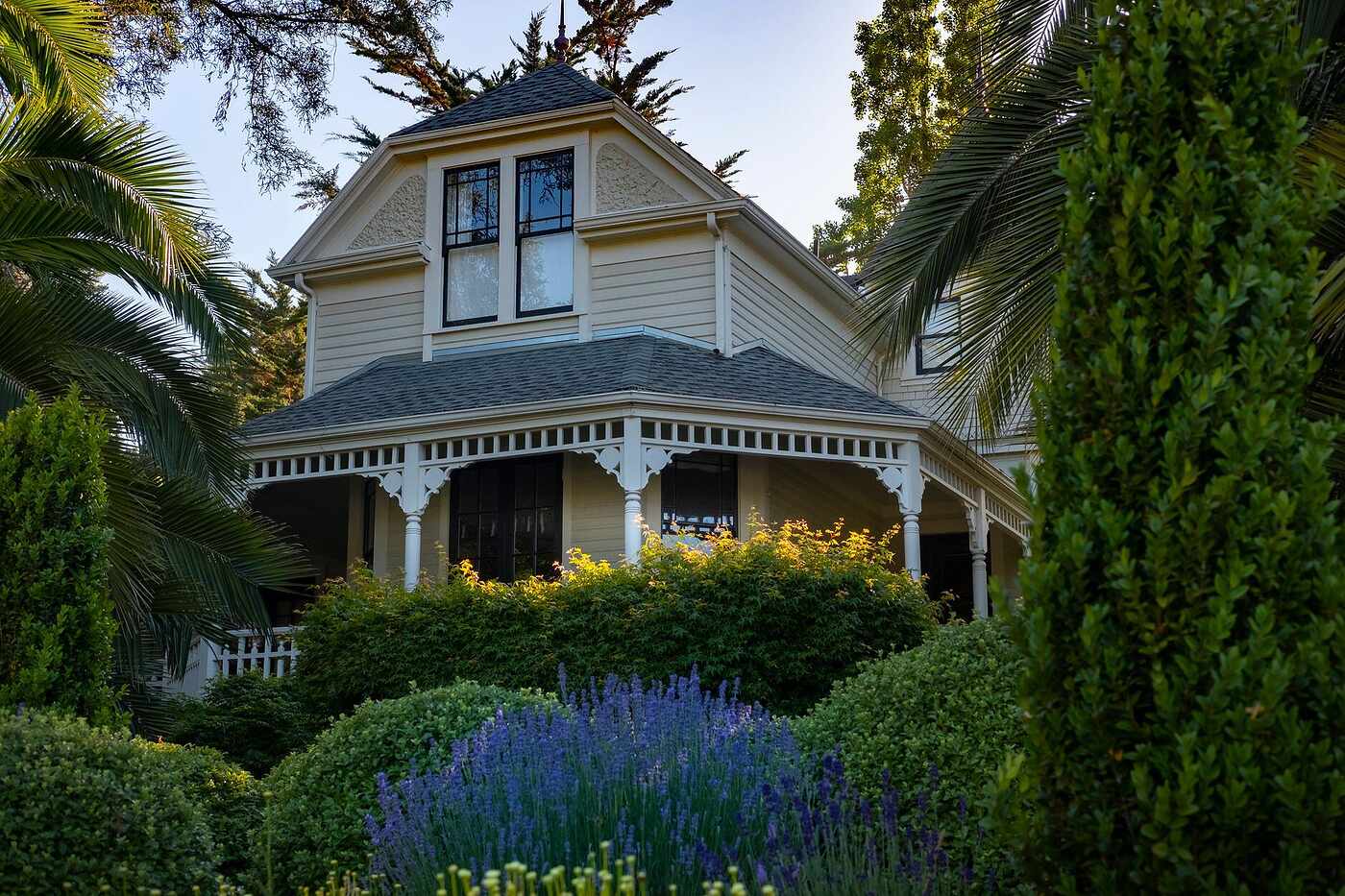
Victorian-era houses and their original openings
The historic district here carries a concentration of late nineteenth-century and early twentieth-century wood-frame houses, many of them raised on piers with an open space beneath the floor. For rodent work that produces the same pattern as the historic districts of Jacksonville, with an extra factor: the sea air.
Under the floor the openings are vent frames with perished screens, skirting and lattice panels that have rotted or been displaced, the sill line along the top of the foundation, and service penetrations added over a century of alterations. Above the wall the eave detailing is original, which means irregular openings no manufactured closure fits, plus aged gable vent screens and junctions where porch roofs, bays and additions meet the main roof planes.
Closures go behind or inside original profiles, steel first and cosmetic repair afterward, and the quote lists each opening with its material so an owner keeping the house original knows exactly what will be touched. Say at the first call that the house is historic. The materials are on the exclusion page.
The Amelia River waterfront and the marsh
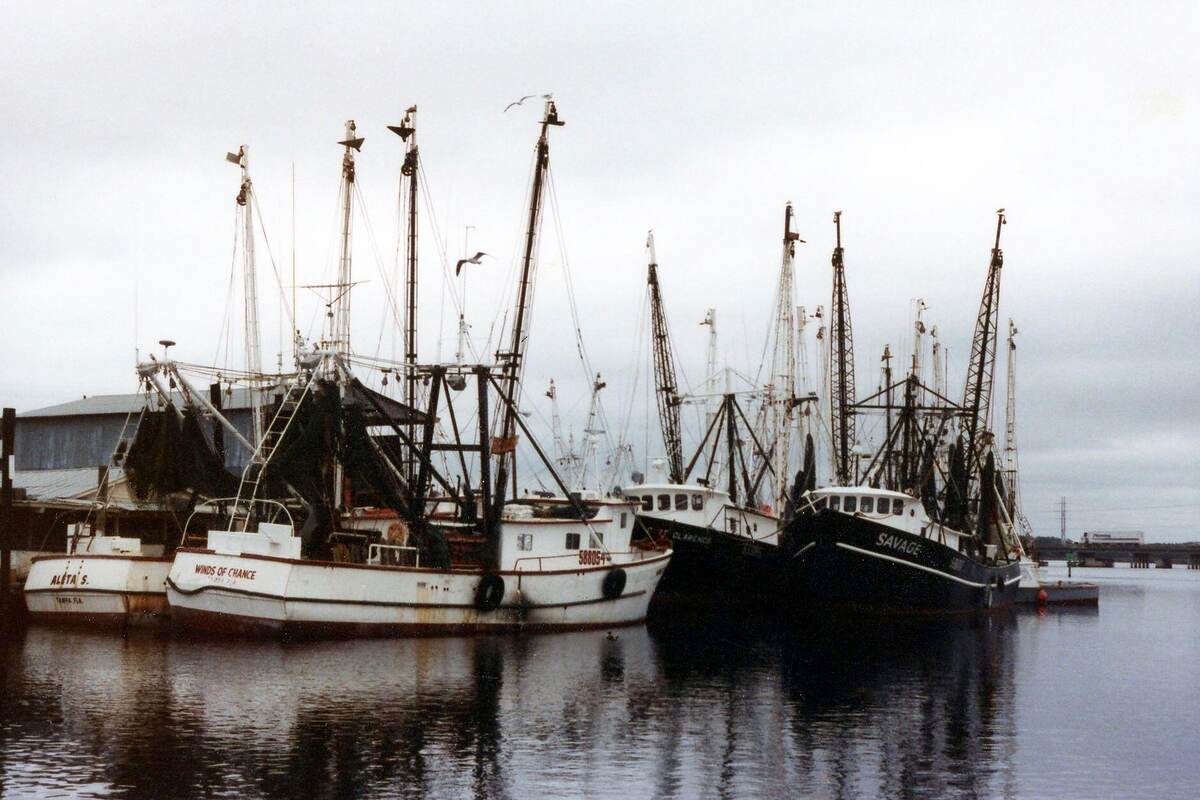
The western side of town faces the Amelia River, with a working waterfront, shrimp boats, docks and commercial premises, and salt marsh beyond and around it. That is dense, permanent Norway rat habitat: burrowing ground along banks, cover in marsh grass, harborage in dock structures and under waterfront buildings, and food where fishing and food service meet.
Properties within a few blocks of that edge get ground-level calls. Activity under a floor or in a garage rather than overhead, droppings along a wall at floor level, smooth runs through ground cover, burrow mouths at a pier or a bulkhead, and gnawing at the bottom of a door. On a raised historic house near the water the route is short and the animal is the ground species rather than the attic one.
Tidal and storm water moves them inland. When burrows flood, the animals in them relocate to the nearest dry structure, and the CDC links rises in leptospirosis cases to hurricanes and flooding, names rodents among the animals carrying it, and recommends rodent control as part of the response. The ground-level half of the work is on the Norway rat page.
What island air does to closures
Everything fitted to a building on a barrier island corrodes faster than it would inland, and closures are no exception. Screens, mesh and fixings take salt-laden air continuously, so a galvanized screen sound a decade ago can perish at its edges and lift out of its frame, and a quarter-inch opening is all it takes. UF/IFAS gives a quarter inch as the rat-proofing standard, with a mouse able to pass a quarter inch and a rat half an inch.
Two responses follow. Material choice: heavily galvanized or stainless fixings and hardware cloth screwed and washered rather than stapled, with soft filler only ever behind steel. And periodic checking: a walk of the soffit line and the vent screens with binoculars once a year takes ten minutes, and on a raised house a look at the under-floor vents every season is worth the same.
It also means the inspection checks existing closures rather than assuming them. A house sealed properly years ago may need two or three of those closures renewed rather than the whole list redone, and the quote should say which have failed.
What We Handle in Fernandina Beach
Every service runs here, with the under-floor work, the waterfront and the salt corrosion shaping most jobs.
- Rodent exclusion: under-floor vents, skirting and sill lines by the foot, plus irregular original eave openings in steel
- Norway rat removal: burrow work and ground-level trapping near the river, the docks and the marsh
- Roof rat removal: attic trapping on the marked runs once the eave line is closed
- Rodent inspection: the free walk that enters the crawl space and checks existing closures for corrosion
- Commercial rodent control: waterfront premises, food service and inns, with documented visits
- Clearance letters: a dated report for a sale, a lease, a rental file or an insurance claim
- Post-storm inspection: the roofline and the perimeter walked again after wind or tidal flooding
A Typical Fernandina Beach Job
The situation: An 1890s two-story frame house in the historic district, piers with a lattice-skirted crawl space, a wraparound porch and a short run of oaks along the street. Running overhead above a back bedroom at night and separate movement under the porch floor in the evenings, droppings in a ground-floor storeroom, and an owner who has replaced two crawl-space screens themselves and watched both perish within a couple of years.
What gets done: The under-floor walk finds five vent frames with screens failed, two lattice panels loose, a run along the front foundation and a burrow mouth under the porch steps. The attic shows droppings with pointed ends along one run from the rear eave, where an original soffit detail has opened at a junction with a later addition. The previously replaced screens had plated fixings that rusted out, so the renewals go in with stainless fixings and heavier cloth. Quiet openings close in steel, the burrow is collapsed, traps go along the crawl-space sill and on the marked attic run, and the last lattice panel closes on the second visit.
How it turns out: Three visits across about five weeks, with the under-floor footage, the roofline opening and the trapping on three lines, the figure landing in the upper half of the published exclusion band because the perimeter is long and the detailing is original. Both noises stop inside two weeks. The owner gets photographs and a note to check the screens each season rather than every few years.
What This Costs in Fernandina Beach
An old raised house on an island is the most expensive combination in this region, for two measurable reasons: a long under-floor perimeter and closures that have to be specified against salt. The published bands below are the reference points.
| Work | Typical band | Source |
|---|---|---|
| Full-home exclusion | $500 to $2,500 | HomeGuide 2026, national |
| Exclusion, Tampa | $550 to $1,642 | Angi, nearest Florida metro with published figures |
| Trapping and removal | $250 to $1,200 | HomeGuide 2026, national |
| Attic cleanup and decontamination | $600 to $2,500 | HomeGuide 2026, national |
| Full restoration of a badly damaged attic | $3,000 to $10,000 and up | HomeGuide 2026, national |
A historic raised house with a long perimeter sits in the upper half of the exclusion band; a later slab house elsewhere on the island sits in the lower half with the same work available. Renewal jobs, where a previously sealed house needs two or three corroded closures replaced, are much smaller again, and the inspection says which have failed rather than quoting the list afresh. Every figure is confirmed on site.
Mice, squirrels, or something else
How the signs differ between the two.
Video: Signs of Mice vs. Squirrels In Your Attic, from Skedaddle Humane Wildlife Control.
Common Questions in Fernandina Beach
What callers on Amelia Island ask first.
Old houses on the island
We replaced the crawl-space screens and they failed again. Why?
Almost always the fixings rather than the mesh. Plated screws and staples in a damp masonry or timber frame a few blocks from the river rust out within a couple of seasons, and the cloth then lifts at a corner even though the mesh itself is sound. The specification that lasts is heavier galvanized hardware cloth at quarter-inch mesh, screwed and washered into sound material with heavily galvanized or stainless fixings. It costs a little more per opening and several times less than doing the work twice. Ask for the fixing type on the quote as well as the mesh.
Will the sealing affect the historic fabric?
Not when it is fitted inside or behind the original profile, which is how it should be specified on a house of this period. Hardware cloth sits in a vent frame or inside an eave detail rather than across the face of anything, sheet metal goes where material has already failed, and lattice or skirting panels are repaired to the original line rather than replaced with something modern. Cosmetic work is left for a carpenter or painter afterward. Say the house is historic at the first call and ask for the openings and materials listed individually, which is the only way to know in advance what will be touched.
Waterfront and storms
Why is it under the floor rather than in the attic?
Because near the river and the marsh the animal is usually the Norway rat, a burrowing ground species that Northeast Florida sees far more of than South Florida does. It lives in banks, marsh cover and dock structures and enters at floor level through a failed vent screen, a loose skirting panel or a gnawed door bottom. The roof rat is the one that runs overhead after dark, and UF/IFAS describes its droppings as a quarter to half an inch long, banana shaped with pointed ends. Which one you have decides where the closures and the traps belong, and plenty of houses here have both.
Should the house be checked again after a storm?
Yes, and it is the cheapest visit available. Wind works at eave edges and lifts soffit and fascia material, and moving water pushes vent screens out of their frames and displaces skirting, so closures that were sound last month can be open now. The Department of Energy documents storms breaking and displacing roof tiles, with one broken tile cascading into others, and the same principle applies to any edge detail. Where tidal water reached the under-floor space, the insulation between the joists that got wet also needs to come out, since wet insulation performs poorly.
Still have a question? Call (904) 659-6044 and ask.
Nearby Areas We Serve
The contractors dispatched to Fernandina Beach cover the neighboring Nassau County communities as well, and the whole Northeast Florida region is inside the service area.
Book a Free Inspection in Fernandina Beach
Say whether you hear it above or below and roughly how old the house is. The walk enters the crawl space, the attic and the perimeter at no charge.