Rodent Removal in Jacksonville Beach, FL
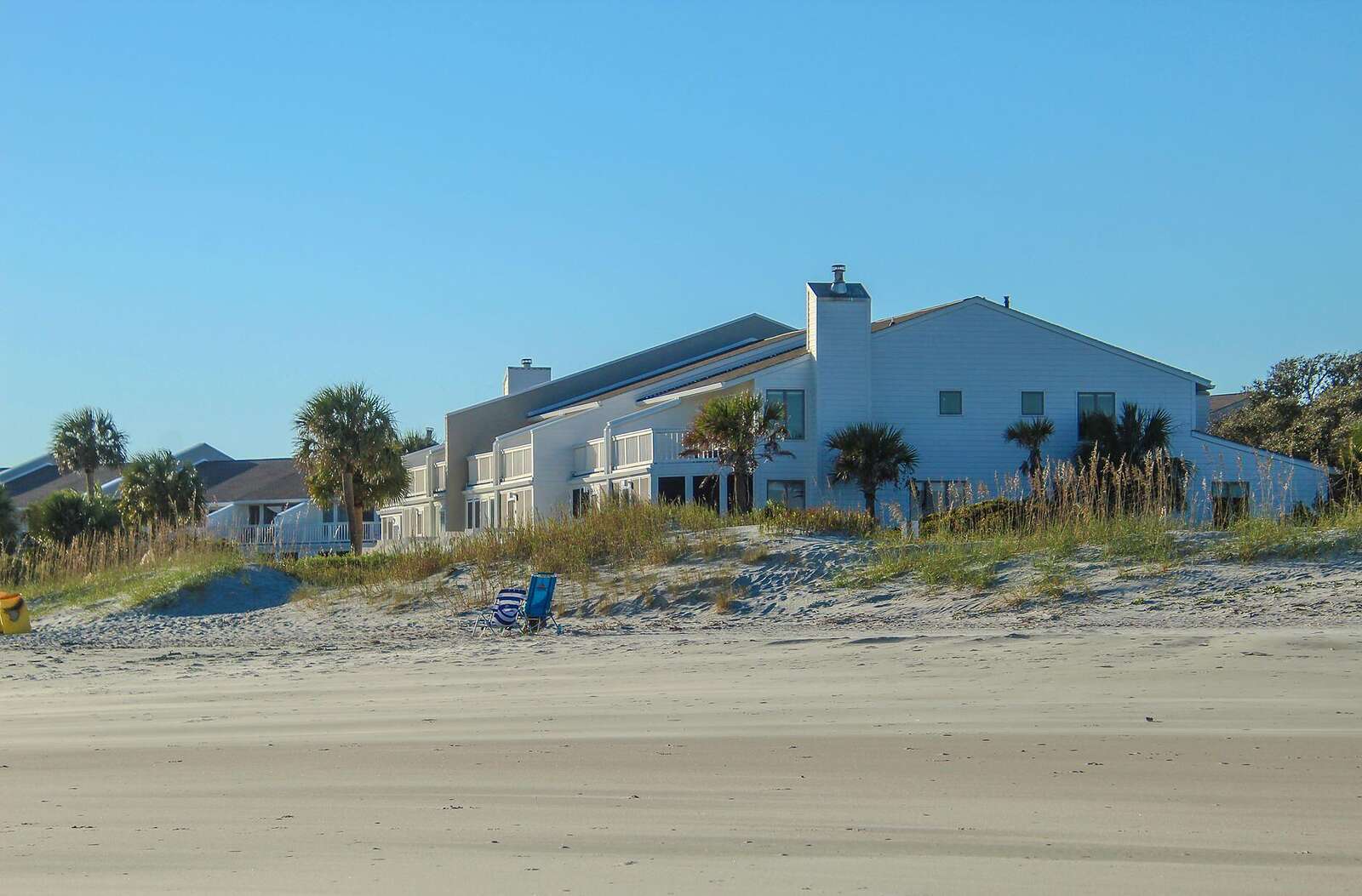
Jacksonville Beach is concrete block on slab with the roofline doing all the work of keeping rodents out, and salt air shortening the life of every screen and seal that does the keeping.
- Slab houses, roofline job
- Salt-corroded screens checked
- Free inspection, itemized quote
Free Inspection in Jacksonville Beach
The free inspection on a Jacksonville Beach house is a ladder walk, an attic check and a look at the garage, because a slab foundation removes the crawl-space half of the usual Jacksonville job. Whoever attends works every elevation for soffit returns, gable and off-ridge vents, the roof-to-wall junctions and the sleeve where the air conditioning line enters the wall, then goes into the attic with a light for droppings, rub marks and flattened insulation, and finishes at the garage door seals and the yard.
The drive is about twenty miles east of downtown along Beach Boulevard or the Butler Boulevard corridor, and Jacksonville Beach sits in Duval County, so the same FDACS-certified contractors who cover the city cover the Beaches. The phone is answered 24 hours a day; say which room you hear it over and how long it has been going on, and a dispatcher books the visit. The contact page has the hours and the address.
Book the free Jacksonville Beach inspection
Name, number and what you are hearing. A dispatcher calls back to set a time with the contractor who covers Duval County.
Block on slab, and where that leaves the openings
Most of the housing here was built between the 1970s and the 1990s, with a meaningful share from the 1940s through the 1960s and a small amount from before the war, and the typical house is concrete block on a slab under about 2,000 square feet. That construction takes the crawl space out of the picture, which is why a Jacksonville Beach quote is usually shorter than one in Riverside or Avondale.
What it leaves is the roofline and the ground-level openings. Soffit returns at the boxed eave corners, gable and off-ridge vent screens, the roof-to-wall junction where a later addition or a second-story section meets a lower roof, the air conditioning line sleeve, and the garage door seal at its bottom corners. On the older pre-1970 houses the soffit detailing is often original and the openings are irregular, which is the one place the historic-district problem turns up at the beach.
Roofs run both shingle and metal, and metal is common enough here to matter. The failure point on a metal roof is the ridge and edge closure rather than the field, and a missing or deformed closure strip leaves a continuous gap under the panel line that is easy to miss from the ground and easy to close in sheet metal once someone is up there.
What salt air does to a sealed house
Closures at the beach have a shorter life than closures inland, and the reason is corrosion. Screens, mesh and fixings within a few blocks of the ocean take salt-laden air continuously, and a galvanized screen that would last for many years further west can perish at its edges and pull out of its frame sooner. The practical consequence is that a house sealed ten years ago is not necessarily a sealed house now.
Two things follow. Material choice matters more here: heavily galvanized or stainless fixings and quarter-inch hardware cloth screwed and washered into a sound frame, rather than stapled, with the soft filler always behind the steel. And a periodic look matters more too. Walking the soffit line and the vent screens with binoculars once a year takes ten minutes and catches a failing screen before anything moves in.
UF/IFAS sets the rat-proofing standard at a quarter-inch opening, with a mouse able to pass a quarter inch and a rat half an inch. A corroded screen that has opened up at one corner meets that threshold long before it looks like damage from the driveway.
Dune vegetation, palms and the canopy at the beach
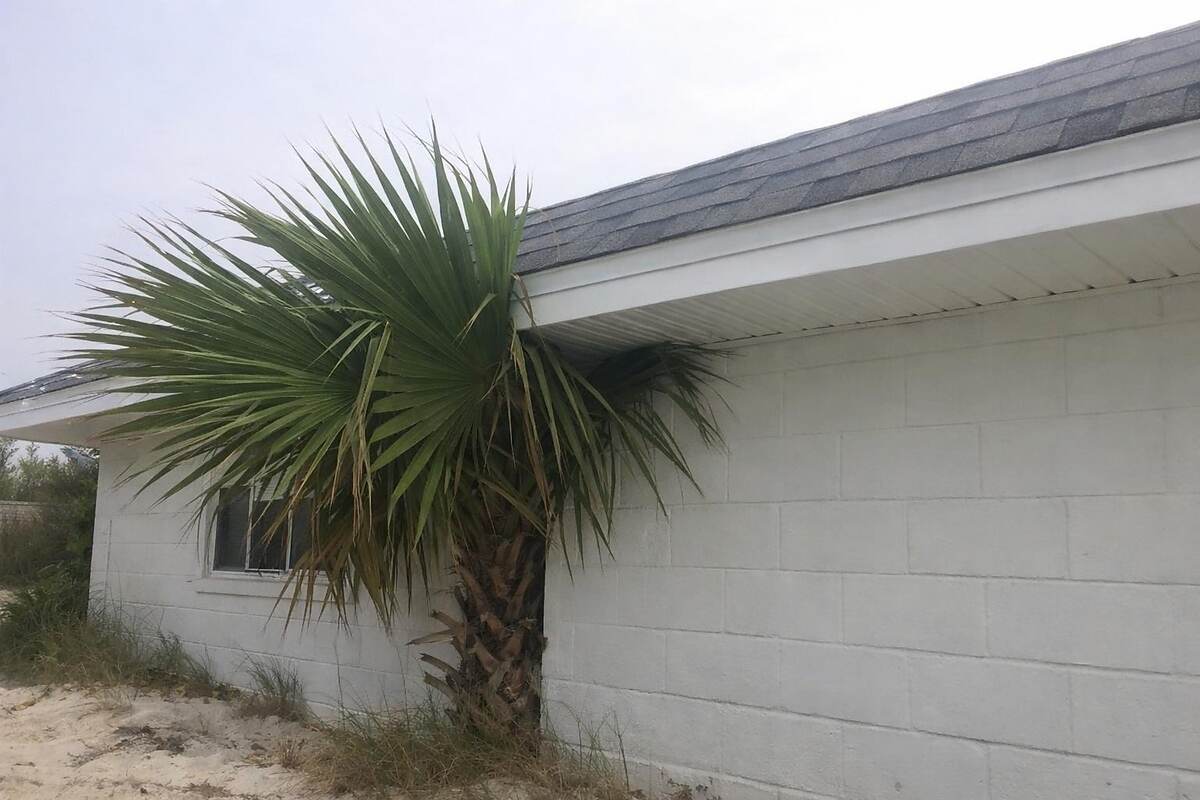
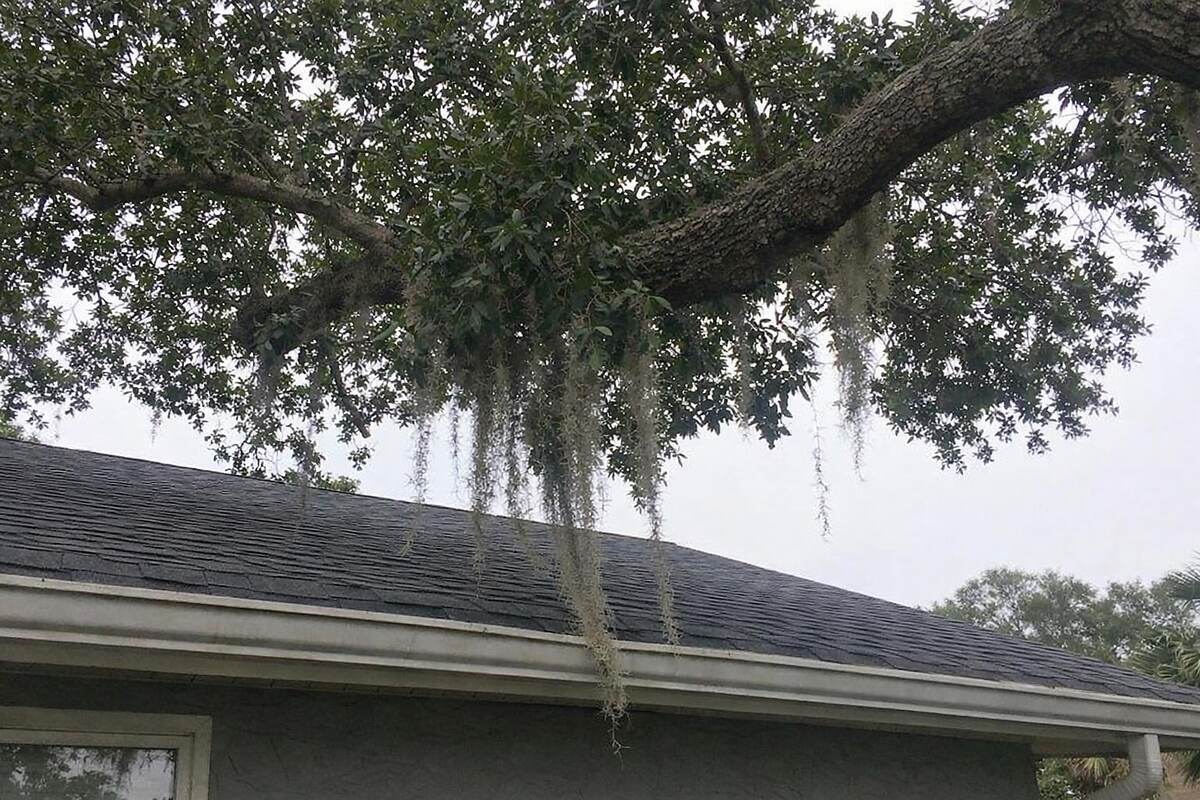
The planting here feeds the roof rat in a way the architecture does not. Dune vegetation, sea oats and dense ornamental beds give ground cover, and palms are the delivery system: UF/IFAS describes the roof rat as arboreal, traveling along branches, wires and palm trunks, with a working range of about 150 yards from the den. A palm with dead fronds held in the crown beside a single-story roof is a nest site with a ramp attached.
Clearing dead fronds and keeping ornamental beds cut back from the foundation are the cheapest jobs on the list and neither needs a pest contractor. Where a palm or a pine is touching the roof or the fascia, a tree crew is worth more than a second rodent visit.
The other beach-specific factor is the garage. A lot of these houses have the garage as the main ground-level opening, with a worn door seal at a bottom corner and stored food or birdseed inside, and on plenty of calls the first droppings anybody finds are on a garage shelf rather than in the attic.
What We Handle in Jacksonville Beach
Every service arranged across Jacksonville is available at the beach, with the roofline work doing most of the lifting on a slab house.
- Roof rat removal: trapping in the attic runs after the soffit returns and vents are closed, which is the standard beach job
- Rodent exclusion: soffit returns, vent screens, metal roof closures, the line sleeve and the garage seal, in steel and sheet metal
- Rodent inspection: the free ladder and attic walk that produces the opening list and the quote
- Attic cleanup: droppings, nesting material and soiled insulation out, then the space treated
- Insulation replacement: the flattened and soaked bays measured and replaced once the attic is closed
- Post-storm inspection: the roofline and the garage walked again after a wind event, which the coast gets more of than the city
- Dead rodent removal: locating a carcass behind a smell, usually after somebody else put bait in the attic
A Typical Jacksonville Beach Job
The situation: A 1978 single-story block house a few streets back from the ocean, slab, metal roof, two cabbage palms close to the south elevation. Running overhead after dark for about two weeks, droppings on a shelf in the garage next to a bag of birdseed, and an owner who has set two traps in the attic hatch with nothing to show for it.
What gets done: The ladder walk finds the edge closure missing along one run of the metal roof, a gable vent screen perished at two corners where salt has worked at it, and one soffit return open at the boxed corner nearest the palms. The garage door seal is worn through at the left bottom corner. The attic shows droppings along a single run from the south eave toward the hall ceiling and flattened insulation in two bays. The closure strip and the vent screens go in the same day in sheet metal and quarter-inch cloth, the garage seal is replaced, and traps go on the marked run rather than at the hatch, left a week because roof rats are wary of new objects.
How it turns out: Two visits and a check, with sealing, trapping and two bays of insulation on separate lines and the total in the lower half of the published exclusion band because there is no perimeter to measure. The owner has the dead fronds cleared from both palms and moves the birdseed into a bin with a lid.
What This Costs in Jacksonville Beach
Published figures give a Jacksonville Beach homeowner something to hold a quote against, which nobody ranking in this market offers. The bands below are national guidance and the Tampa figures are the nearest Florida metro that publishes any; the free inspection turns whichever applies into a measured quote with separate lines.
| Work | Typical band | Source |
|---|---|---|
| Trapping and removal | $250 to $1,200 | HomeGuide 2026, national |
| Full-home exclusion | $500 to $2,500 | HomeGuide 2026, national |
| Exclusion, Tampa | $550 to $1,642 | Angi, nearest Florida metro with published figures |
| Attic cleanup and decontamination | $600 to $2,500 | HomeGuide 2026, national |
| Insulation removal and replacement | $2.50 to $5.50 per sq ft | HomeGuide 2026, national |
A single-story block house on slab with an intact soffit line tends to sit in the lower half of the exclusion band, because the job is a list of discrete openings rather than a measured perimeter. What moves a beach house up is a metal roof needing closure strips along several runs, a second story adding ladder positions, or corroded screens that all need replacing rather than patching. The figures are confirmed at the inspection rather than on the phone.
What is moving inside the walls
How noise in a wall cavity gets traced.
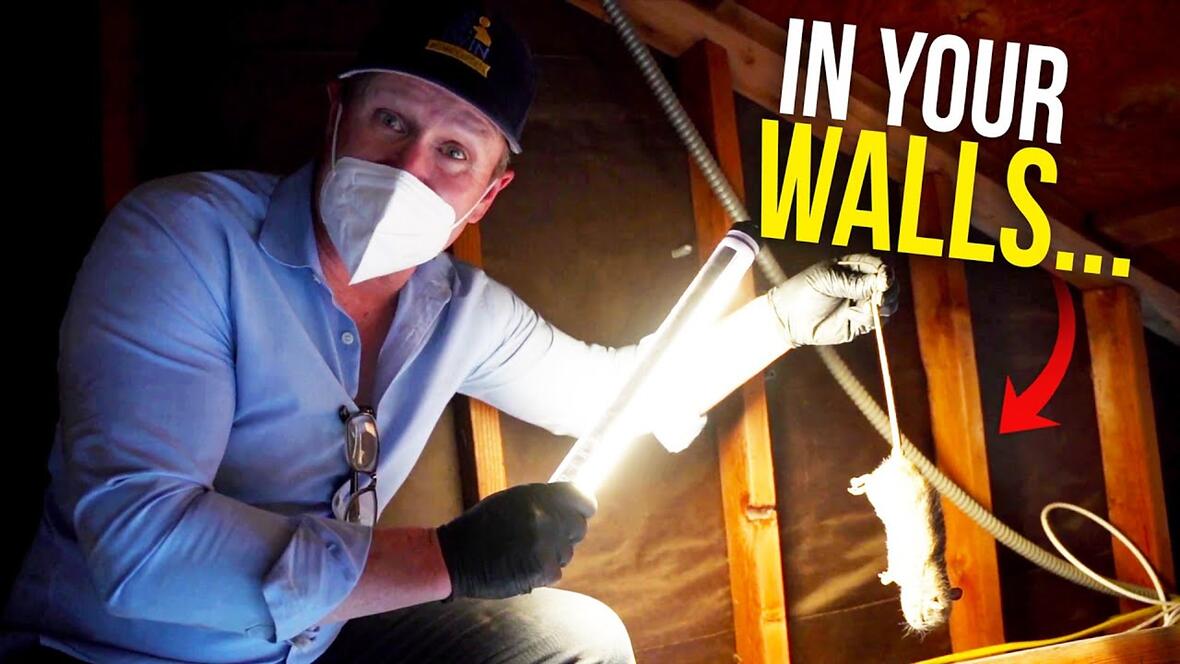
Video: Rodents in your walls? Here's what you do, from Twin Home Experts.
Common Questions in Jacksonville Beach
What callers from the Beaches ask before they book.
At the beach specifically
Does being this close to the ocean change anything?
It changes how long the work lasts rather than what the work is. Salt air corrodes screens, mesh and fixings faster than inland air, so heavily galvanized or stainless fixings and properly screwed quarter-inch hardware cloth matter more here, and a closure that was sound a decade ago may have opened at a corner since. UF/IFAS puts the rat-proofing threshold at a quarter inch, and a perished screen edge reaches that long before it looks damaged from the driveway. A ten-minute look along the soffit line with binoculars once a year is the cheapest maintenance available.
The roof is metal. Is that a problem?
Only at the edges, which is where it matters. The field of a metal roof is not an entry, but the ridge and eave closure strips under the panel line are, and a missing or deformed closure leaves a continuous gap the length of that run. It is hard to see from the ground and straightforward to close in sheet metal once someone is on a ladder. Metal roofs are common enough at the Beaches that this gets checked specifically rather than left to the roofing trade, and it goes on the opening list with its own figure.
The job and the cost
What is the cheapest way to get rid of rats?
Sealing the openings and trapping once, done in that order, rather than paying for repeated visits. HomeGuide's 2026 national bands put trapping and removal at $250 to $1,200 and full-home exclusion at $500 to $2,500, and a slab house at the beach usually sits toward the lower end of the sealing band. The expensive route is a poison plan with no sealing: the EPA describes most rodenticides as anticoagulants that kill four days to two weeks after feeding begins, the animal dies where it lives, and the opening is still open when the next one arrives.
Who comes out, and are they certified?
An independent contractor covering the Beaches who holds the FDACS credential the job requires. Chapter 482 of the Florida Statutes sets the floor: the Limited Commercial Wildlife Management certification to trap rats or mice in a structure for pay, and a pest control business license with a certified operator before any rodenticide is applied. Ask whoever attends for the number and look it up on the FDACS license search before work starts. A handyman with a caulk gun holds neither credential, which is worth knowing when one bid is much cheaper than the rest.
Still have a question? Call (904) 659-6044 and ask.
Nearby Areas We Serve
The contractors dispatched to Jacksonville Beach cover the neighboring Duval County communities as well, and the whole Northeast Florida region is inside the service area.
Book a Free Inspection in Jacksonville Beach
Say which room the noise is over and whether the garage has anything stored in it. The inspection covers the roofline, the attic and the garage and costs nothing.