Rodent Exclusion in Jacksonville, FL
Exclusion is the physical work of closing a house: soffit returns, vents, sill gaps and crawl-space openings shut in steel and sheet metal. It is the one step that gives trapping an end date, and in Jacksonville it happens at two heights.
- Quarter-inch steel, no foam
- Roofline and crawl space both
- Measured at the free inspection
What rodent exclusion in Jacksonville includes
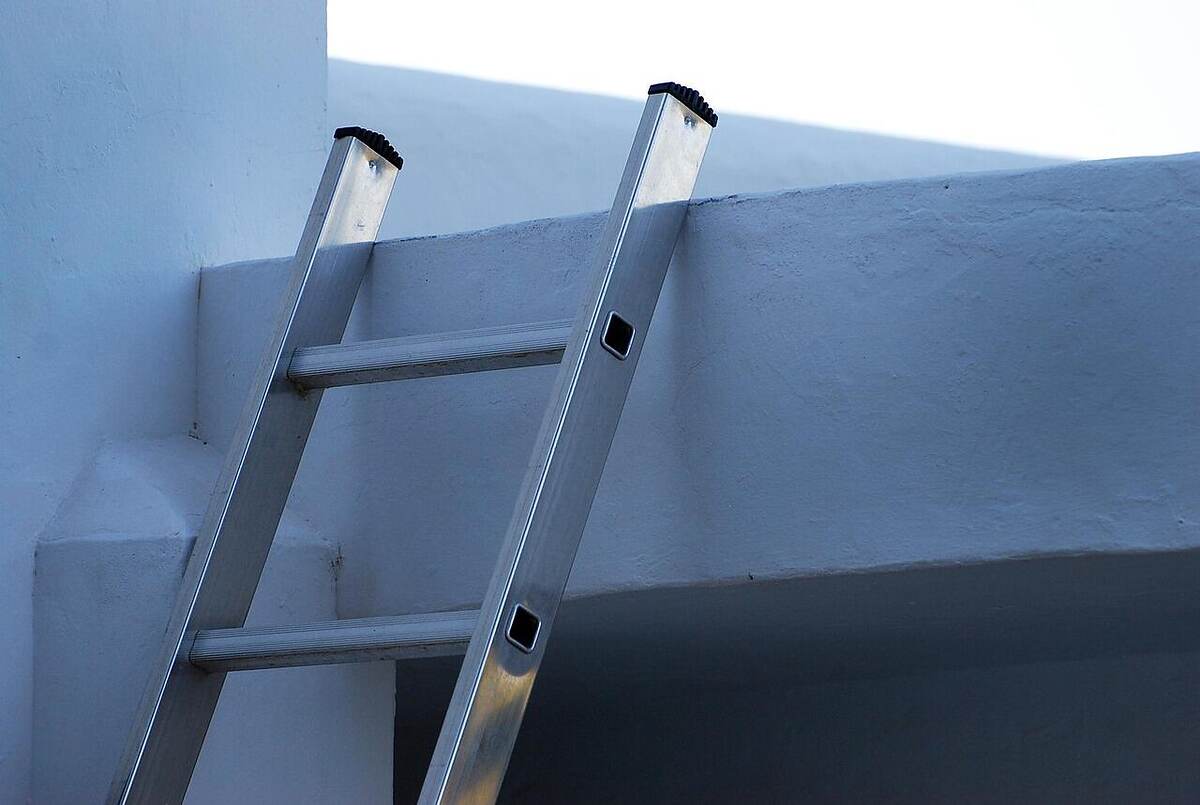
Exclusion is a measured list of openings and the material used to close each one, written down before anybody quotes a figure. The contractor walks the roofline from a ladder, crawls the foundation perimeter where the house has a crawl space, maps every gap a quarter inch or wider, and prices the closure by the opening and by the foot of perimeter. UF/IFAS sets that quarter-inch figure as the rat-proofing standard, with a mouse able to pass a quarter inch and a rat half an inch.
The materials are the short version of the whole argument. Galvanized hardware cloth at quarter-inch mesh, sheet metal, steel wool packed behind a sealant, new screened vent covers and, on the few local roofs laid in barrel tile, a metal eave closure. Expanding foam on its own is not exclusion, and a quote that leans on it is usually the cheap one.
- A written opening-by-opening list with the closure material named for each
- Roofline work: soffit returns, gable and off-ridge vents, roof-to-wall junctions, the sleeve where the air conditioning line set enters the wall, and the garage door corner seals
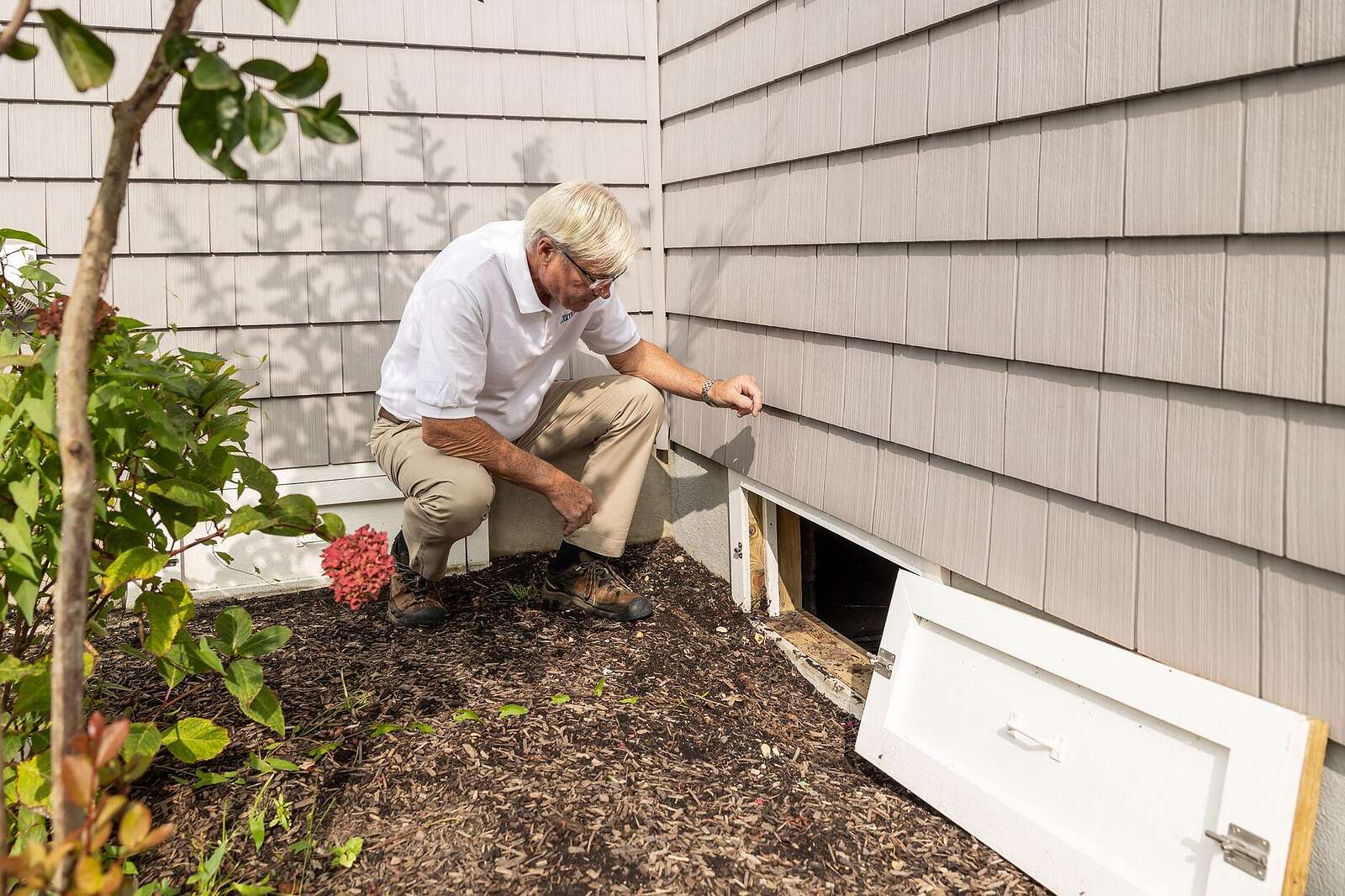
- Crawl-space work: vent screens, skirting, the sill gap along the top of the foundation, and the plumbing and electrical penetrations under the floor
- Steel at every chewable edge, since a rat reopens a foam patch and leaves the hole wider
- A return visit to confirm nothing reopened and to close anything the trapping stage was holding open
The walk itself is covered on the rodent inspection page. What it finds decides whether the job is a morning on a ladder or two days around a foundation.
Book the free inspection
Say what you hear, where in the house, and how long it has been going on. A dispatcher lines up the nearest certified contractor for a free roofline, attic and crawl-space inspection.
Why Jacksonville exclusion happens at two heights
Most Florida rodent sealing advice covers the roofline and stops, which leaves out half of this city. Jacksonville carries more pier-and-beam houses than any other Florida metro in this network: the 1900s to 1930s districts of Riverside, Avondale, Ortega and Springfield, and a good share of the 1950s and 1960s ranches in Arlington, on the Westside and on the Northside. Those houses sit on brick piers with an open crawl space under the floor, and the crawl space is where the Norway rat gets in.
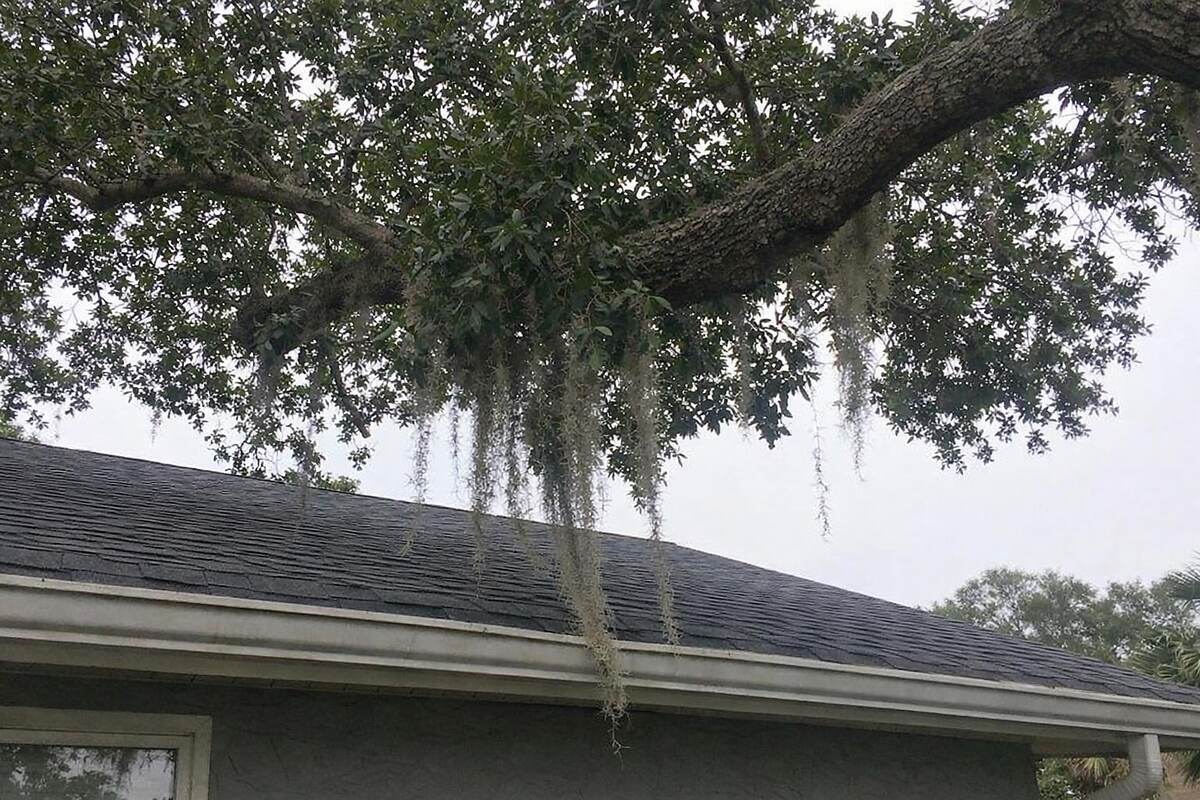
The two jobs use the same material and almost nothing else in common. Up top the work is a set of discrete patches: a soffit return pulled open where an oak limb rubs the fascia, a gable vent screen rusted at one corner, the gap at a roof-to-wall junction where an addition meets the original roof. Underneath it is linear work. The sill gap runs the entire perimeter, the vent openings repeat every few feet, and the skirting has to be cut and fixed to close a long edge rather than a hole. A long perimeter is why crawl-space exclusion in the historic districts tends to land in the upper half of the published band.
Slab houses get the roofline job alone, which is most of Mandarin, Southside, Baymeadows, Deerwood and the Beaches. On those the yard matters as much as the roof, because the route to the eave runs up a live oak, a palm trunk or a service wire rather than through the wall.
Work out roughly what this costs in Jacksonville
Six questions against the national cost bands printed further down the page. The range stays wide on purpose, because the roofline and the crawl-space perimeter are the two biggest variables and neither can be read off a form.
The bands behind this come from the 2026 HomeGuide national guides. Nothing is fixed until the free walk, and what arrives afterward separates trapping, sealing and cleanup into their own figures.
Is it safe to do exclusion before trapping?
Sealing a house completely while rats are still living in it is the mistake that produces a carcass in a wall. The professional sequence closes every opening with no traffic on it first, leaves the two or three active runs open, traps on those runs, then closes the last of them once the activity has stopped. That way the building is shut against arrivals from the start and nothing is walled in alive.
It matters here because of how far a roof rat ranges. UF/IFAS puts its working radius at roughly 150 yards from the den, which on a Riverside block reaches several neighboring yards, a line of citrus and a stretch of riverbank. Leaving the house open while traps run just keeps feeding the traps. Closing it first and trapping what is inside is what ends the job.
One exception runs the other way. Where the inspection finds droppings in the attic and a burrow against a pier, the crawl space and the roofline are often worked on different days, because shutting a Norway rat out of its burrow route while the attic population is untouched pushes the ground animals to the wall voids. Whoever attends should say which order they are working in and why.
Do the chew-ins really need repairing now?
The chewed openings are the job, so deferring them defers the result. A rat enlarges what it finds: a vent screen with a quarter-inch tear becomes a fist-sized hole over a season, and UF/IFAS notes that rats chew through wiring and can potentially start a fire, which is the part of the damage nobody sees from the ground.
What can reasonably wait is the cosmetic repair. A cut section of soffit can be closed behind steel and painted later. A crawl-space vent can carry a screwed steel screen for years before the frame is replaced. The sequence that holds is steel first, paint whenever. What cannot wait is any opening a quarter inch or wider, because that is the threshold the whole standard sits on.
Where insulation has been flattened into runs or soaked, the Department of Energy is plain that compressed insulation does not deliver its rated R-value and wet insulation performs poorly, so that part of the repair is an energy question as well as a rodent one. It is quoted on its own line and covered on the insulation replacement page.
What rodent exclusion costs in Jacksonville
Nobody ranking in the Jacksonville rodent market prints a sealing price, so the bands below come from national and nearest-metro guides and are confirmed at the free inspection. Treat them as typical-job ranges rather than a quote, because the length of the perimeter and the number of openings set the figure and both are measured on site.
| Work | Typical band | Source |
|---|---|---|
| Full-home exclusion | $500 to $2,500 | HomeGuide 2026, national |
| Exclusion, nearest Florida metro with published figures | $550 to $1,642 | Angi, Tampa |
| Trapping and removal alongside it | $250 to $1,200 | HomeGuide 2026, national |
| Standalone inspection elsewhere | $0 to $175, Florida average about $162 | HomeGuide 2026 |
Three things move a Jacksonville house up the band. A crawl space, because the perimeter is priced by the foot and a historic house has a long one. Two stories, because a second ladder position and a taller roofline add time. And a roof that has been added to, since every junction between an old roof and an addition is a place where two rooflines fail to meet.
Three things move it down. A single-story slab house with intact soffit, a short list of openings, and a yard with no limb or palm touching the roof, which means the sealing has less pressure on it after the crew leaves.
The materials that hold, and the ones that do not
A closure only counts if a rodent cannot chew, pull or push through it, which rules out most of what is sold for the job at a hardware store. Steel is the whole answer at the edges, and anything soft is only a filler behind it.
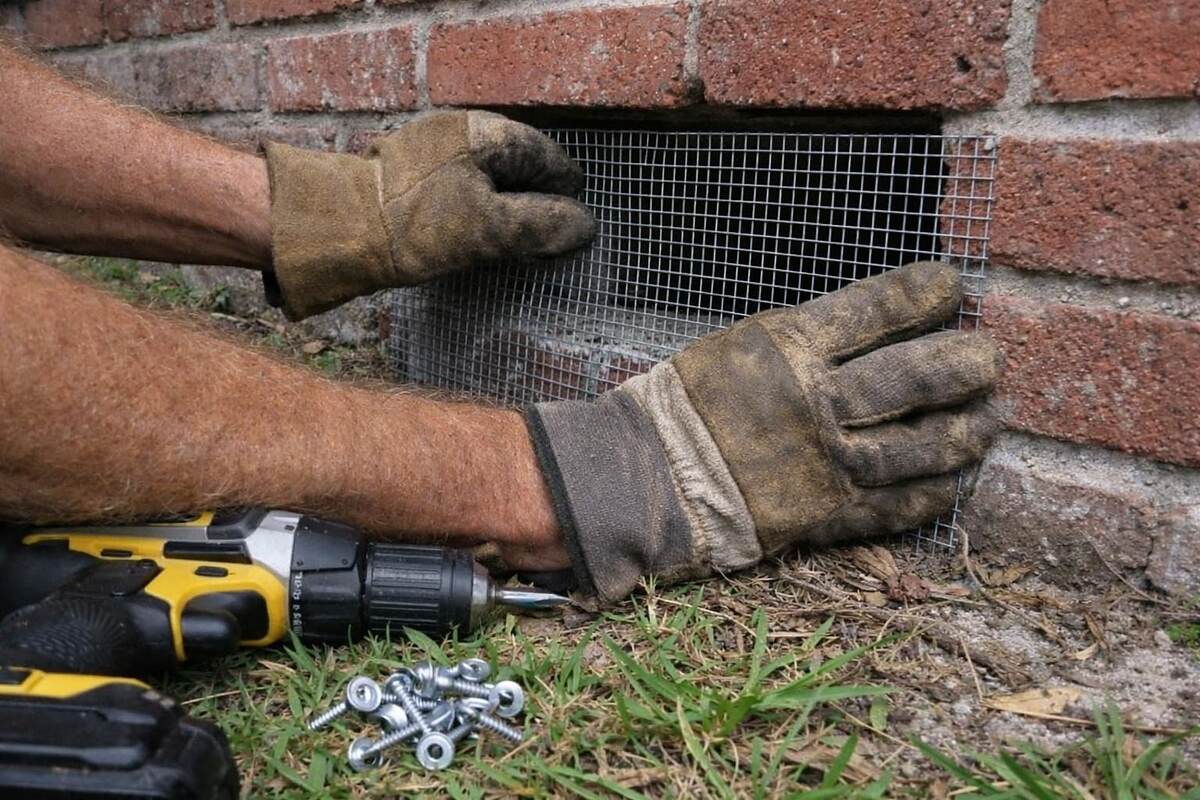
- Galvanized hardware cloth at quarter-inch mesh, screwed and washered rather than stapled, for vents, soffit returns and crawl-space openings
- Sheet metal or aluminum flashing where a flat run has to be covered, such as a rotted fascia edge or a gap along a skirting line
- Steel wool or copper mesh packed into an irregular void, then sealed, so the sealant is holding the steel and never doing the work alone
- A manufactured metal eave closure, sometimes called a bird stop, on the barrel or concrete tile roofs that appear on some newer coastal subdivisions, where the open first course of tile leaves a rat-sized void the full length of the eave
- Expanding foam, plastic vent covers and screen mesh finer than insect screening, all of which a rat is through in a season
Screening a crawl-space vent is not the same job as screening a gable vent. A crawl-space vent sits in a damp masonry frame, often at grade, and the fixing has to hold in mortar without rusting out in five years. Stainless or heavily galvanized fixings matter more underneath the house than anywhere on the roof.
River water, cold snaps and the pressure on a sealed house
A sealed Jacksonville house is still under pressure from outside, and two local conditions decide how hard. The first is the fall and winter move indoors. Rodents breed here year round, and operators across the city report the same pattern from the first cold snap in October through February, as nights cool and animals that have been living in a palm crown or a bank look for somewhere warm. A house sealed in September meets that pressure with nothing to find.
The second is high water. Hurricane Irma in September 2017 put the St. Johns River into Riverside, San Marco and downtown at record levels, and a flooded burrow empties into whatever dry structure is nearest. The CDC links rises in leptospirosis cases to hurricanes and flooding, names rodents among the animals carrying it, and recommends rodent control as part of what a household does after a flood. Storm damage also opens new routes: the Department of Energy documents storms breaking and displacing roof tiles, and a torn soffit or a debris pile against a wall does the same job for a rat.
After a flood or a wind event the sealing should be walked again rather than assumed. That second walk is described on the post-storm inspection page.
What to check on whoever seals your house
Exclusion is the part of the job a homeowner cannot easily inspect afterward, which makes the questions beforehand the real protection. The credential is the first one, because sealing sold as handyman work carries none of the rodent obligations.
- The FDACS credential and its number. Under Chapter 482 of the Florida Statutes, trapping rats or mice in, on or under a structure for pay requires at minimum the Limited Commercial Wildlife Management certification, and rodenticide work requires a pest control business license with a certified operator. Look the number up on the FDACS license search before work starts.
- An itemized quote with the sealing separated from the trapping and from any cleanup, so each line can be compared with another bid.
- The material named per opening. A quote that says "seal entry points" and nothing else cannot be checked against the work.
- How many follow-up visits are inside the price, and what triggers an extra one.
- What the terms are if activity returns after the sealing, and whether any cover is a one-time term or renewable.
A sealing job by someone with a caulk gun and no FDACS certificate is legal as carpentry and useless as rodent work, because the person doing it has no obligation to know what a quarter inch means or which openings are still in use. That difference is the single most useful thing to understand before choosing a bid.
The services that usually run with this one
A Jacksonville rodent job is a sequence of separate lines, and these pages cover the steps on either side of this one.
- Roof Rat Removal: Trapping the attic rat that answers most Jacksonville calls, sequenced with sealing.
- Norway Rat Removal: Ground-level burrows along foundations, seawalls and crawl spaces, closed and trapped.
- Rodent Inspection: A free walk of the roofline, attic, crawl space and yard that sets the order of the job.
Who attends and which FDACS certificate to look up is set out on the about page. Hours, the downtown address and the full service area are on the contact page.
Sealing the outside of a house
Working around a building, closing every gap.
Video: How to keep out mice and other pests: sealing up the exterior, from The Home Mender.
How a Jacksonville exclusion job runs
Five steps, with the measuring at the front and the last openings left for the end.
-
Measure the house
A ladder walk of the roofline and a crawl of the foundation perimeter, with every opening a quarter inch or wider written down and measured.
-
Quote by opening
Each closure is priced with its material named, and the sealing sits on its own line apart from trapping and cleanup.
-
Close the quiet openings
Everything with no traffic on it is shut in steel first, which stops new arrivals while the active runs stay open.
-
Trap, then close the last runs
Traps work the two or three routes still in use, and those openings are sealed once the activity stops rather than before.
-
Walk it again
A return visit checks every closure for chewing, rust and anything pulled loose, and fixes what it finds on the spot.
What makes sealing hold on a Jacksonville house
Three things separate exclusion that lasts from a morning of caulk.
-
Both heights on one quote
A house with a crawl space gets the foundation perimeter measured on the same visit as the roofline, and both appear on the quote with their own figures. Sealing only the roof of a pier-and-beam house in Riverside or a 1950s ranch in Arlington leaves the Norway rat route wide open, and the attic goes quiet while the floor does not. The inspection is written to cover the whole envelope rather than the part that is easy to reach from a ladder.
Rat-proofing standard is a quarter-inch opening, UF/IFAS Extension
-
Steel at every chewable edge
Quarter-inch galvanized hardware cloth, sheet metal and screened vent covers are specified per opening, with soft filler only ever packed behind steel. The reason is mechanical rather than aesthetic: a rodent works an edge it can grip, and a foam patch gives it one. The quote names the material for each closure so the work can be checked against what was sold, which is the one thing a homeowner can verify from the ground afterward.
Rats chew through wiring and can potentially start fires, UF/IFAS Extension
-
A band in print before the measuring starts
Full-home exclusion runs $500 to $2,500 in HomeGuide's 2026 national guide, and the nearest Florida metro with published figures, Tampa, shows $550 to $1,642 in Angi's data. Those numbers are in print before anyone visits, so a quote can be read against something. Where a long historic perimeter pushes a job toward the top of the band, the reason is the footage rather than the day of the week.
Full-home exclusion $500 to $2,500 nationally, HomeGuide 2026
What Reddit Says About Rodent Exclusion in Jacksonville
Sealing work is where the sticker shock lives in the r/pestcontrol and r/HomeImprovement threads, and the pattern is consistent: the exclusion figure arrives without anyone having explained what exclusion is. People who got several bids report spreads wide enough to be unreadable, with similar-sounding scopes quoted from the low four figures into the tens of thousands, and the question under most of those posts is whether they are being taken advantage of.
The advice the threads give each other is practical. Get bids on identical scope rather than on a description. Make the company separate the sealing from the trapping and from any recurring plan, because a single bundled figure with monitoring folded in cannot be compared to anything. Ask whether the company performs the repair work itself or subcontracts it, and ask what material goes into each opening.
The red flags are equally consistent. Anyone sealing a house while animals are still inside it. Anyone trapping with no sealing at all, which the threads describe as harvesting rodents rather than solving anything. Recurring monitoring contracts attached to a removal price. And the poison-and-nothing-else plan, often sold with the claim that poison drives rats outside looking for water, which the threads treat as a sign the person selling it is not being straight.
Questions that come up again and again, worth asking whoever quotes your sealing: what exactly is included and what is a separate line, how many follow-up visits are in the price, will the cleanup and decontamination be handled or only the trapping, and what the terms are if the animals come back. The answers are the measure of the quote.
A typical exclusion job on an Avondale masonry house
The situation: A 1920s masonry house in Avondale, raised on piers with a vented crawl space, mature oaks over the rear roof and a detached garage at the back of the lot. Droppings on the attic floor near the chimney chase, a chewed edge on one crawl-space vent frame, and an owner who has already had a handyman foam two gaps and watched both reopen within a month.
What gets done: The measuring walk lists eleven openings: four crawl-space vents with perished screens, a long section of sill gap above the front foundation wall, two soffit returns pulled at the fascia, a gable vent with a torn corner, the sleeve where the air conditioning line enters the rear wall, and two plumbing penetrations under the kitchen floor. The quote separates the roofline closures from the perimeter footage. Everything with no traffic is closed in quarter-inch galvanized cloth and sheet metal; the rear soffit return and one crawl-space vent stay open with traps on them, and both are closed on the second visit once the sign stops.
How it turns out: Two working days plus a return visit three weeks later, with the sealing and the trapping on separate lines and the long perimeter putting the sealing in the upper half of the published band. The foamed patches are cut out and redone in steel. The attic is quiet from the first week, and the owner is told which oak limb to have cut back from the roof.
Questions about sealing a Jacksonville house
What callers ask once they understand that sealing is the job.
Scope and sequence
Does the whole house have to be sealed, or only where they are getting in?
Every opening a quarter inch or wider gets closed, which in practice is more than the one hole the rats are using now. The reason is range: UF/IFAS puts a roof rat's working radius at roughly 150 yards from the den, so pressure on the house continues from neighboring yards, citrus trees and the riverbank whatever happens to the current route. Leaving the second and third openings open means the next animal has somewhere to go. The quote lists every closure, so a homeowner can see exactly what is being paid for and ask why any item is on the list.
Can the crawl space be skipped if the noise is in the attic?
It can, and sometimes it should wait, but it has to be looked at first. Attic noise with clean crawl-space sign means the roofline is the whole job. Attic noise with burrow mouths against the piers usually means two species in one house, a roof rat above and a Norway rat below, and sealing only the roof leaves half the building open. The inspection settles it in one visit by reading the droppings in both places, and the quote then prices the two areas separately so either can be deferred knowingly.
How long does the sealing itself take?
A single-story slab house with a short list of openings is usually a morning. A historic crawl-space house with a long perimeter, perished vent screens and a rotted skirting line runs to two or three working days, sometimes split so the trapping stage sits in the middle. The return visit happens a few weeks later. HomeGuide's figures for the overall job, two to three days for a handful of animals and one to two months for a heavy infestation, cover the trapping side rather than the sealing, and the sealing is what makes the shorter figure possible.
Materials and what lasts
Is expanding foam enough to close the gaps?
Foam gives a rodent an edge to work and no resistance behind it, so a patch that looks finished on the day is a hole again within weeks. It has one legitimate use, which is sealing around steel that is already carrying the load. The materials that hold are quarter-inch galvanized hardware cloth, sheet metal, steel wool packed behind sealant and proper screened vent covers. When a bid is noticeably cheaper than the others, the usual reason is foam and caulk where steel belongs.
What keeps rats away permanently?
A closed building, kept closed. Ultrasonic plugs, repellent granules and bait stations do nothing about an opening, and the animal outside is not the problem the moment the route in is shut. Alongside the sealing, three yard jobs carry real weight in Jacksonville: cutting limbs back from the roofline so the oak stops bridging to the eave, clearing dead fronds from palm crowns, and keeping firewood, debris and dense ground cover off the foundation so a burrow has nowhere to start.
Still have a question? Call (904) 659-6044 and ask.
Get the openings measured first
A dispatcher books the free inspection, and the sealing quote comes out of what the ladder and the crawl space show. Call at any hour.